 Loncat ke konten
How do simple ocean plants become essential daily ingredients? This hydrocolloid journey is truly fascinating.
Sodium alginate is a natural polysaccharide extracted from brown seaweed. It transforms raw kelp into versatile solutions.
In this guide, you will learn exactly how sodium alginate is made and used today.
The Raw Material: Sourcing Brown Seaweed
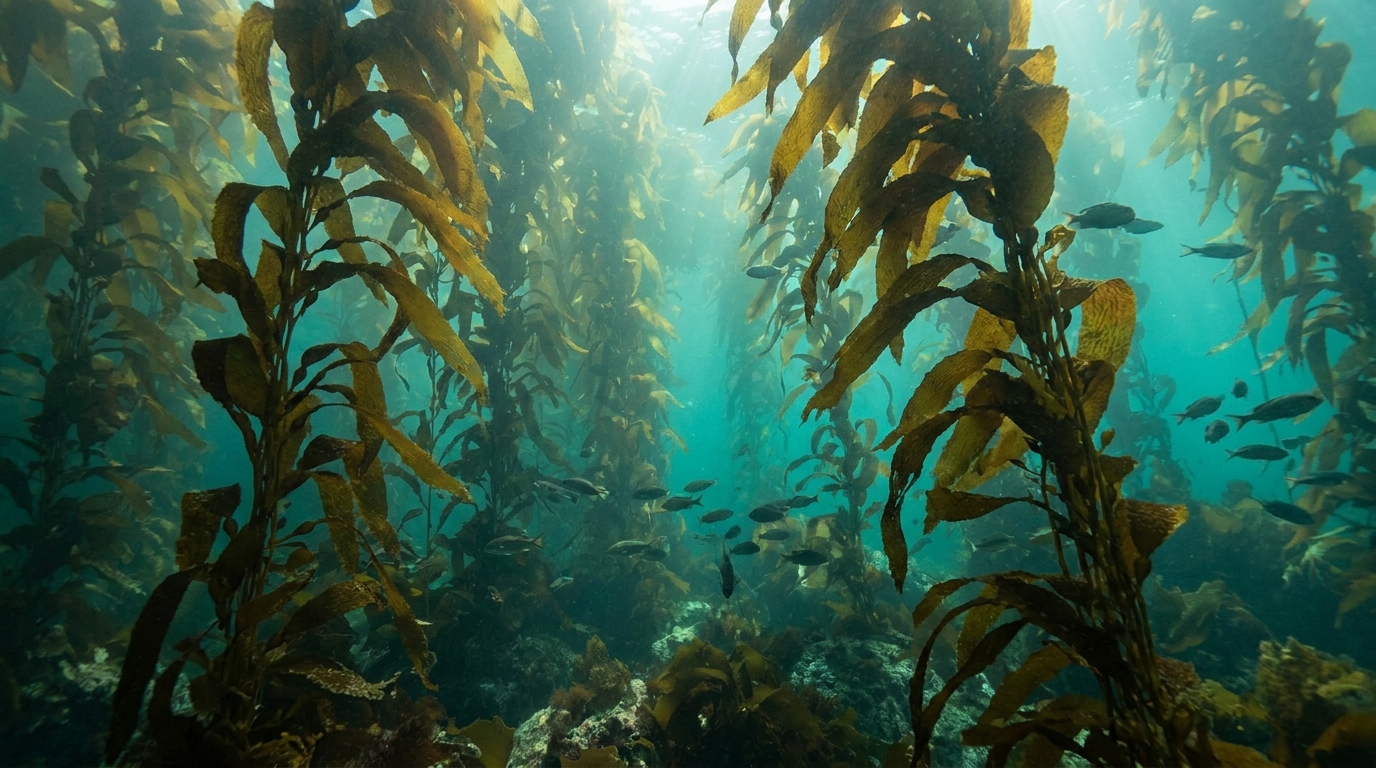
The journey of making this versatile hydrocolloid begins in cold, nutrient-rich ocean waters. Manufacturers extract it directly from brown seaweed, scientifically known as Phaeophyceae. In fact, alginate makes up about 20% to 40% of the dry weight of these marine plants.
Harvesters target specific seaweed species to achieve the best results. The most common sources include Laminaria, Macrocystis pyrifera (Giant Kelp), and Ascophyllum nodosum. Each species offers unique properties for the final product.
Sustainable Harvesting and Marine Ecology
Brown seaweed forests play a massive role in marine ecosystems. They provide safe habitats for fish and absorb significant amounts of ocean carbon. Because of this, sustainable harvesting practices are absolutely essential.
At SOHO Honry Chemical, we prioritize global sustainable development. We ensure our raw material sourcing protects delicate marine environments. Responsible harvesting allows the kelp beds to regenerate naturally. It also guarantees a steady, NON-GMO supply for high-quality production.
How Seaweed Types Affect Final Properties
Different seaweed species grow in varying ocean conditions. These environments directly impact the chemical structure of the extracted sodium alginate. The plant’s molecular makeup dictates how the final powder will behave in water.
Alginate consists of two main building blocks: mannuronic acid (M) and guluronic acid (G). The ratio between these blocks changes based on the seaweed type.
- High M-Content: Produces higher viscosity solutions. It feels thicker but forms softer gels.
- High G-Content: Creates stronger, more brittle gels. This is ideal for specific sodium alginate food grade applications.
Here is a quick breakdown of common seaweed sources and their typical characteristics:
| Seaweed Species | Common Name | Typical G/M Ratio Profile |
|---|---|---|
| Laminaria | Kelp | Balanced M and G blocks |
| Macrocystis pyrifera | Giant Kelp | Higher M-content (High viscosity) |
| Lessonia | South American Kelp | Higher G-content (Strong gels) |
Initial Preparation at the Source
Harvesting is just the first step. Workers must prepare the raw kelp before it reaches the manufacturing facility. This preparation prevents degradation and preserves the valuable alginic acid inside the plant cells.
First, specialized boats carefully cut the seaweed near the ocean surface. They bring the fresh biomass ashore immediately. Next, workers spread the kelp out for sun-drying. Drying removes excess moisture and significantly reduces the total weight.
Finally, facilities pack the dried seaweed into large bales. Trucks and cargo ships then transport these bales to processing plants. Now, the raw material is ready for the complex extraction process.
Once those heavy bales of dried kelp arrive at the processing plants, the real transformation begins. You might wonder how a tough marine plant turns into a versatile hydrocolloid. The manufacturing process relies on precise chemical engineering. It extracts the valuable alginic acid hidden inside the plant cell walls.
Step-by-Step: How is Sodium Alginate Made?
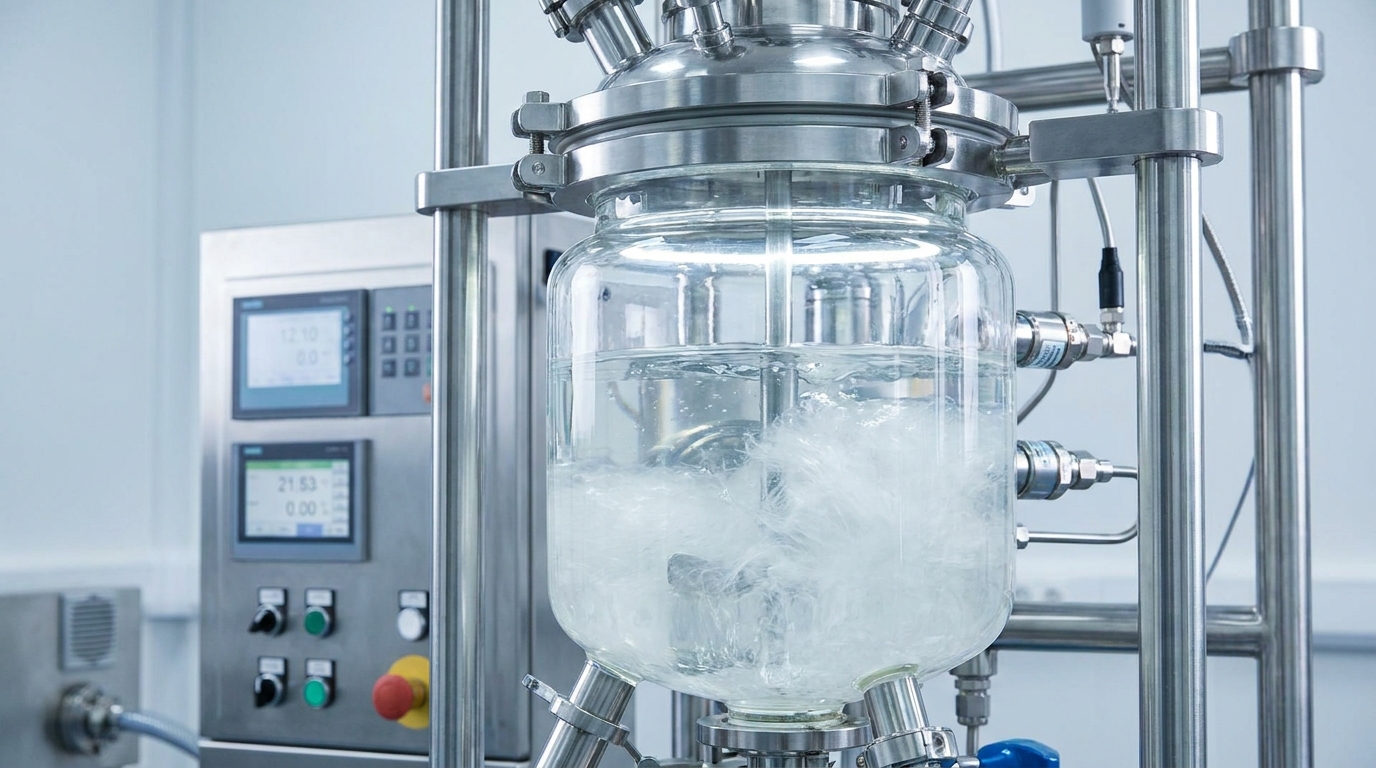
Step 1: Washing and Maceration
First, workers wash the dried seaweed thoroughly using fresh water. This vital step removes sand, dirt, and excess natural salts from the ocean. Next comes maceration. Technicians treat the clean seaweed with a dilute mineral acid. They typically use hydrochloric acid to drop the pH to around 1.0–2.0.
This acid bath breaks down cross-linked natural alginates. It also strips away unwanted organic compounds. The plant material softens significantly during this stage.
Step 2: Alkali Extraction
After the acid wash, the softened seaweed undergoes alkaline extraction. Processors add an alkaline solution directly to the washed biomass. They usually use sodium carbonate at roughly a 2% concentration.
This creates a critical chemical reaction. It converts the insoluble alginic acid trapped in the seaweed into a soluble sodium salt. As the reaction progresses, the mixture transforms into a thick, gelatinous paste.
Step 3: Filtration and Purification
This thick seaweed mash still contains lots of solid waste. To achieve high purity, the facility pumps the gelatinous mixture through heavy-duty industrial filters. Flotation or centrifugation often helps speed up this separation.
These techniques remove insoluble cellulose, seaweed residue, and other impurities. The final result of this step is a clear, highly viscous liquid. This liquid contains all the dissolved alginate.
Step 4: Precipitation
Now, manufacturers must force the dissolved alginate out of the clear liquid. They achieve this using one of two primary precipitation routes:
- Calcium Alginate Method: Adding calcium chloride creates fibrous calcium alginate precipitates. Industrial producers prefer this route because it effectively removes color and odor impurities.
- Alginic Acid Method: Adding a strong mineral acid directly precipitates a gel-like alginic acid.
Once the precipitation occurs, workers separate these solid fibers from the remaining liquid.
Here is a quick summary of the key chemicals used during these extraction stages:
| Process Stage | Chemical Agent Added | Primary Purpose |
|---|---|---|
| Maceration | Hydrochloric Acid (HCl) | Lowers pH to break down cross-links and clean biomass. |
| Extraction | Sodium Carbonate | Converts insoluble acid into soluble sodium salt. |
| Precipitation | Calcium Chloride | Forces alginate out of solution as solid fibers. |
Step 5: Conversion and Neutralization
The precipitated fibers are not quite ready for commercial use. Processors must convert them back into a water-soluble form. They mix the solid calcium alginate or alginic acid with sodium carbonate one more time.
Sometimes, they use sodium hydroxide for the final neutralization. This ion-exchange step replaces the calcium ions with sodium ions. It yields pure, refined sodium alginate paste.
Step 6: Drying and Milling
The refined paste still holds a significant amount of water. Facilities use advanced drying equipment to remove this excess moisture carefully. Once completely dry, industrial grinders mill the material into a fine sodium alginate powder.
Manufacturers customize the particle size based on specific industry requirements. Standard mesh sizes range from 60 to 200 mesh.
At SOHO Honry Chemical, we leverage advanced equipment and a dedicated technical team to ensure exceptional quality control. Our factory holds FSSC, BRC, ISO, and GMP certifications. We guarantee our final powders are HALAL, KOSHER, NON-GMO, and ALLERGEN FREE. This rigorous standardization supports countless sodium alginate uses across the food, pharmaceutical, and personal care sectors globally.
Quality Control and R&D in Sodium Alginate Manufacturing
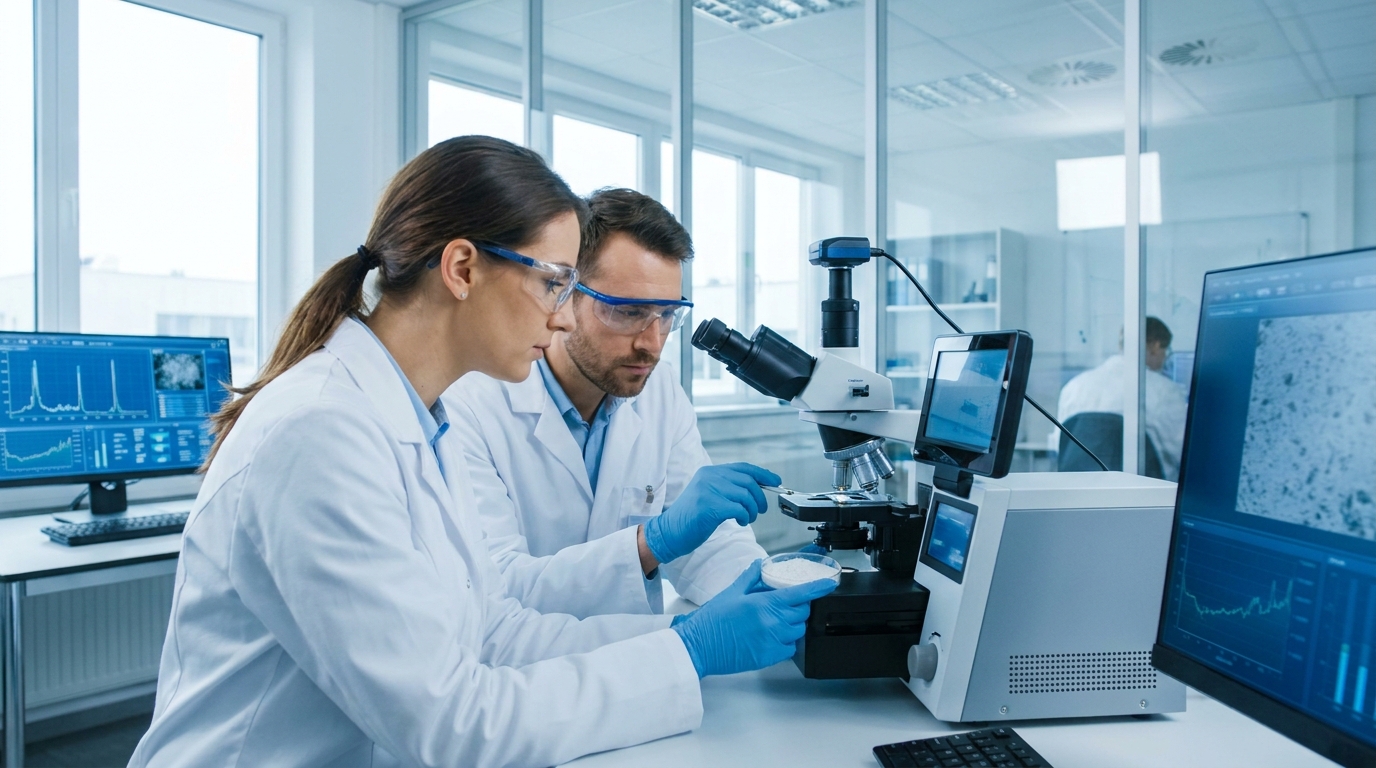
As we covered earlier, drying and milling transform refined paste into a versatile powder. But understanding exactly how sodium alginate is made reveals a deeper need for strict oversight. Rigorous testing is vital to ensure complete product safety. This matters heavily for food and pharmaceutical applications. Even minor impurities or incorrect viscosity levels can ruin a final consumer product.
Global manufacturers like SOHO Honry Chemical actively maintain cutting-edge research and development. We continuously improve the extraction and purification stages detailed above. This dedication yields purer, more consistent hydrocolloids. We focus heavily on innovation in scientific health and sustainable development globally.
The Power of Academic Collaboration
Innovation thrives on strong partnerships. We collaborate closely with top institutions like Nanjing Agricultural University and China Pharmaceutical University. These academic partnerships drive real-world manufacturing improvements. They help us solve complex formulation challenges for customers worldwide.
Expert Technical Teams and Testing Standards
You need true experts to monitor every single batch. Our R&D department features a dedicated technical team of over 25 specialists. Two experienced PhDs lead this talented group. They operate advanced testing equipment daily. Every test adheres strictly to Eurofin and SGS standards. This guarantees exact molecular weights and precise G/M ratios before shipping.
Essential Certifications for Supply Chain Safety
A robust supply chain relies on verifiable quality. We hold multiple internationally recognized certifications. These credentials guarantee top-tier safety across the food, beverage, and personal care sectors.
| Certification Category | Specific Standards Held | Importance in Manufacturing |
|---|---|---|
| Facility and Operational Safety | FSSC, BRC, ISO, GMP | Ensures strict hygiene and consistent quality control protocols. |
| Global Dietary Compliance | HALAL, KOSHER | Meets strict religious dietary requirements for global distribution. |
| Product Purity and Clean Label | NON-GMO, ALLERGEN FREE | Guarantees safe ingredients for sensitive consumers worldwide. |
Common Sodium Alginate Uses Across Industries
We just explored the strict testing standards and certifications ensuring supply chain safety. These rigorous controls do more than just meet regulations. They unlock a massive variety of applications. Because manufacturers precisely control viscosity and purity during extraction, this marine hydrocolloid serves countless sectors today.
Solusi Makanan & Minuman
The food industry relies heavily on this ingredient. It acts as a powerful thickener, stabilizer, and gelling agent. You will find it in everyday items like table sugar, savory sauces, gummy candies, and fruit jellies. It prevents ingredients from separating and improves overall mouthfeel.
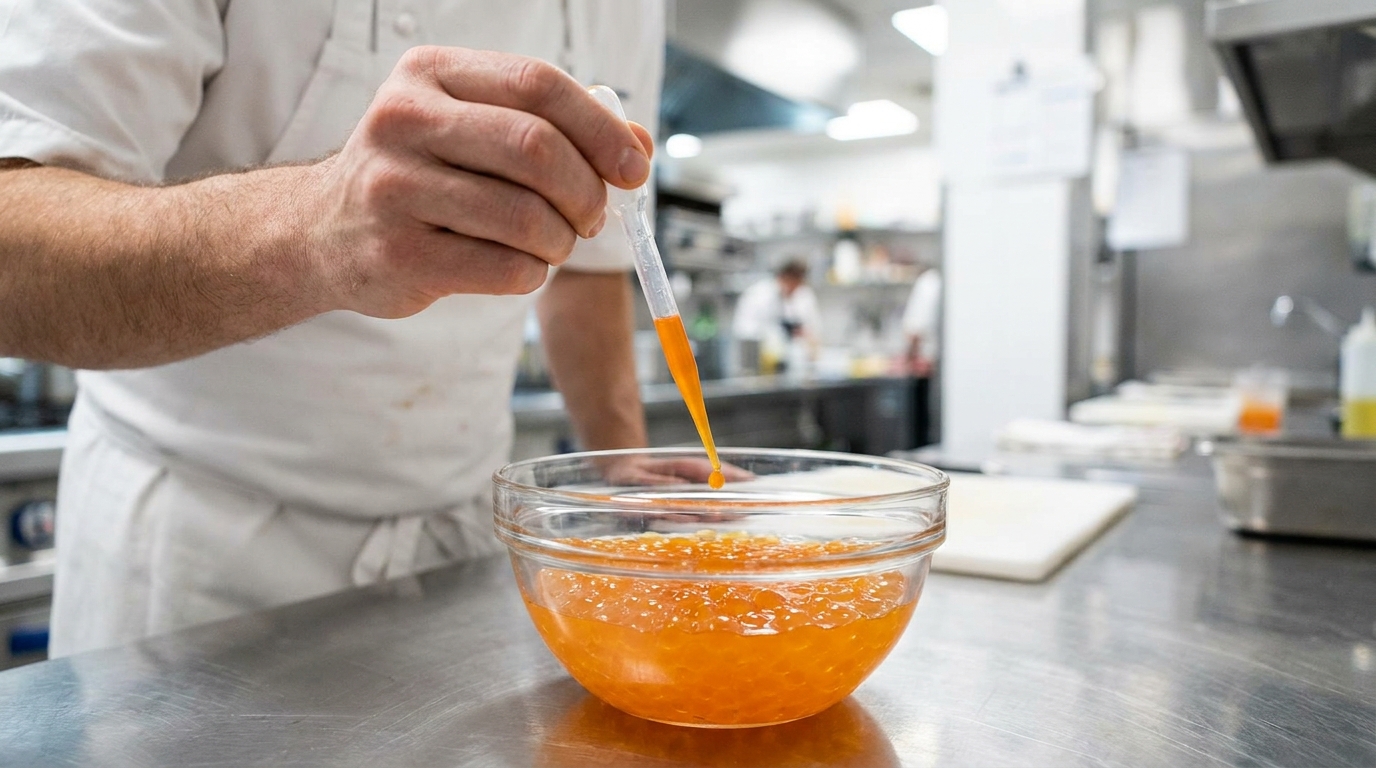
Chefs also use it for culinary innovations like spherification. If you want to encapsulate liquids containing calcium or alcohol, try reverse spherification. You simply put the calcium in the liquid and the alginate in the bath. This prevents the gel skin from thickening too much over time. SOHO Honry Chemical provides tailored solutions to help food manufacturers perfect these exact textures globally.
Pharmaceuticals & Human Nutrition
Medical applications require the highest purity levels. Facilities must carefully monitor how sodium alginate is made to remove harmful endotoxins. Ultra-pure grades are critical for sensitive applications like pharmaceutical injection formulas.
The hydrocolloid also works exceptionally well in targeted drug delivery systems. It encapsulates active ingredients, protecting them until they reach the lower digestive tract. Dentists use it daily for accurate dental impressions. Furthermore, its ability to form soft, moist gels makes it perfect for advanced wound dressings.
Personal Care & Cosmetics
Your skin benefits directly from seaweed extracts. This polysaccharide holds water incredibly well. Cosmetic chemists use it to formulate hydrating facial masks and smooth lotions. It locks in moisture and creates a pleasant, non-sticky texture on the skin.
Beyond skincare, it acts as a reliable stabilizer for pigments. We actively support cosmetic brands by supplying ingredients that keep makeup colors vibrant and evenly dispersed.
Animal Nutrition & Industrial Applications
The uses extend far beyond human consumption. In animal nutrition, it serves as a highly effective binder for feed. It holds pellets together, ensuring livestock and pets receive complete nutrition without waste.
Industrial sectors value its unique chemical properties too. Textile manufacturers use it as a thickener for printing pastes. It ensures dyes transfer onto fabrics sharply without bleeding. Surprisingly, it even coats welding rods to stabilize the electric arc during construction.
| Industry Sector | Typical Products | Primary Function |
|---|---|---|
| Makanan & Minuman | Sauces, gummy candies, jellies, table sugar | Gelling, thickening, stabilizing |
| Farmasi | Injection formulas, wound dressings, capsules | Encapsulation, moisture retention |
| Perawatan Pribadi | Facial masks, lotions, cosmetics | Hydration, pigment stabilization |
| Industrial & Feed | Animal feed, textile printing, welding rods | Binding, viscosity control |
Kesimpulan
The journey of making sodium alginate starts with sustainable seaweed. It ends as a fine powder through careful extraction. Strict quality control and smart innovation ensure safe hydrocolloids. Partner with SOHO Honry Chemical for reliable ingredient solutions. Our robust supply chain and expert R&D deliver competitive results.
- Request a free sample for your next project.
- Review our strict quality certifications on our website.
- Contact our expert technical team for formulation advice.
Frequently Asked Questions About Sodium Alginate
Is sodium alginate safe for vegan and gluten-free diets?
Yes, this ingredient is completely plant-derived from brown seaweed. It contains no animal products or gluten. SOHO Honry Chemical ensures our products meet strict dietary needs. Our factory holds Halal, Kosher, Non-GMO, and Allergen-Free certifications. You can safely use it in various health-conscious recipes.
Why does sodium alginate clump when mixed with water?
The powder often forms clumps known as “fish eyes.” This happens because the outside hydrates faster than the inside. To prevent this issue, pre-blend the powder with sugar or oil. You can also use a high-shear mixer for smooth results. Proper mixing ensures the powder dissolves evenly in your liquid.
Why is my sodium alginate mixture failing to gel?
This failure usually happens due to missing calcium ions. The chemical process requires calcium to cross-link the polymer chains. This reaction creates a structure known as the egg-box model. An incorrect pH level can also stop the gelling process. Always check your recipe for proper calcium levels and acidity.
How do food and pharmaceutical grades differ from each other?
Food-grade alginate focuses on safe viscosity and gelling properties. It works perfectly for bakery items and meat products. Pharmaceutical-grade options require much stricter purity standards. They must have low endotoxin levels for safe medical use. SOHO Honry Chemical manufactures both grades following strict GMP and ISO standards.
What is the best way to clean an alginate spill?
Spilled alginate powder becomes incredibly slippery when it gets wet. Do not try to wash it away with plain water. Instead, apply a high-calcium solution to the affected area. You can also use an oxidizing agent like household bleach. These chemicals harden the spill for easy mechanical removal.
- Request a product sample for your upcoming food formulation testing.
- Consult our technical team about custom viscosity requirements today.
- Review the safety data sheets for proper handling instructions.
- Explore our pharmaceutical-grade options for your encapsulation projects.
Making sodium alginate involves extracting alginic acid from brown seaweed. Manufacturers use alkaline solutions and calcium chloride during this process. The final product serves as a versatile thickener and gelling agent. Companies like SOHO Honry Chemical ensure high-quality production for global industries. Understanding these extraction methods helps you choose the right ingredient grade.
