 Loncat ke konten

Humans and animals cannot naturally produce L-Lysine, an essential amino acid vital for muscle growth and health. For manufacturers, choosing the wrong grade can ruin a product. This guide explores the critical differences between food and feed grades, specific market applications, and current industry trends.
Understanding L-Lysine Grades: Food Grade vs. Feed Grade

Producing L-Lysine requires strict quality control. The final product grade depends on its intended use, with manufacturers following specific regulatory and purity standards for both human and animal applications.
Food Grade L-Lysine Requirements
Human consumption requires exceptionally high purity and rigorous safety standards. Facilities producing food-grade L-Lysine maintain strict manufacturing environments, typically holding certifications like FSSC, BRC, ISO, and GMP.
Quality control is critical for human safety. Testing against recognized standards, such as Eurofins and SGS, ensures product reliability. These products often carry HALAL, KOSHER, NON-GMO, and ALLERGEN-FREE certifications, guaranteeing their suitability for diverse human diets and nutritional supplements.
Formulating Feed Grade Products
Livestock and poultry require bulk nutritional supplementation. Feed-grade amino acids provide a cost-effective solution, with the manufacturing process focused on volume rather than human-level refinement.
Common forms include Lysine HCL and L-Lysine Sulfate. These variations deliver essential nutrients to animals efficiently, helping optimize feed conversion ratios in commercial farming without unnecessary processing costs.
Risks of Cross-Using Grades
Mixing up these grades poses serious safety and financial risks. Feed-grade L-Lysine must never be used in human food because it has different tolerances for impurities and heavy metals that humans cannot safely process.
While using human-grade products in animal feed is physically safe, it drastically increases production costs without offering additional nutritional benefits to the animals.
| Feature | Food Grade | Feed Grade |
|---|---|---|
| Primary Application | Human nutrition and dietary supplements | Livestock and poultry nutrition |
| Purity Level | Exceptionally high refinement | Standardized for animal digestion |
| Facility Standards | GMP, FSSC, BRC, ISO | Standard agricultural manufacturing |
| Cost Profile | Premium pricing due to processing | Cost-effective bulk pricing |
L-Lysine in Animal Nutrition: Forms and Benefits
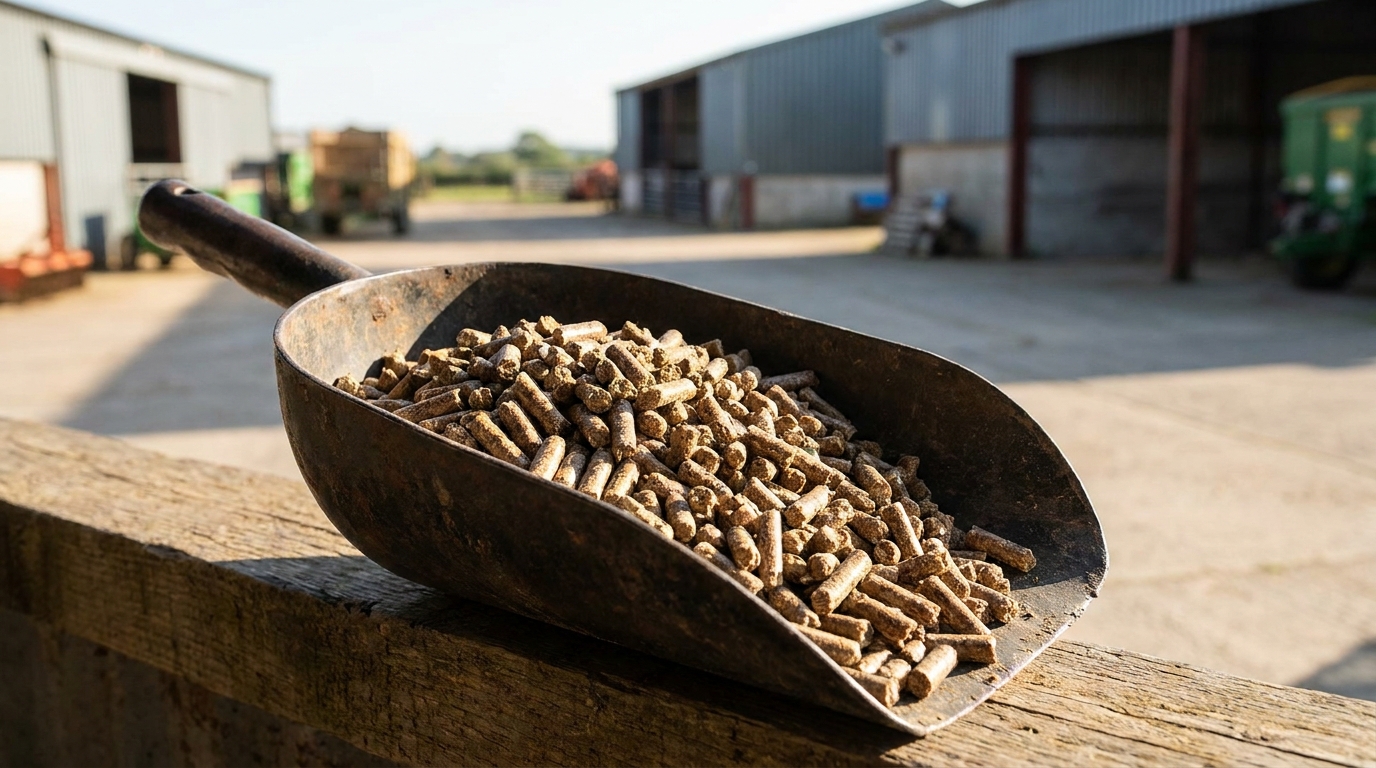
L-Lysine serves as a primary limiting amino acid in commercial livestock diets. Swine and poultry rely heavily on this nutrient for proper physical development. If their daily diet lacks sufficient L-Lysine, their bodies cannot efficiently utilize other essential amino acids. This biological bottleneck stalls muscle growth and compromises overall animal health.
Comparing Common Feed Formats
Feed formulators typically choose between two main synthetic formats. The first is Lysine HCL, which offers a high purity level of approximately 78 percent. This highly refined hydrochloride form is easily digestible and mixes smoothly into standard feed rations.
The second widely used option is L-Lysine Sulfate, which provides a purity range between 55 and 70 percent. Unlike the highly refined HCL version, the sulfate form retains bacterial biomass from the fermentation process. This remaining biomass provides extra nutritional value and energy for specific livestock groups.
| Spesifikasi | Lysine HCL | L-Lysine Sulfate |
|---|---|---|
| Average Purity | ~78% | ~55% to 70% |
| Composition | Highly refined hydrochloride | Contains fermentation biomass |
| Processing Level | Extensive purification | Partial purification |
| Best Use Case | Highly concentrated rations | Cost-sensitive bulk diets |
Improving Feed Conversion and Muscle Growth
Precision nutrition relies on accurate and consistent amino acid supplementation. Adding the exact required amount of L-Lysine drastically improves feed conversion ratios (FCR). Animals absorb these targeted nutrients more efficiently, requiring less total feed to reach their target market weight.
This targeted dietary approach rapidly accelerates lean muscle growth in pigs and poultry. It ensures farmers maximize their feed investments while maintaining optimal herd health through precise nutritional targets.
Environmental Benefits of Synthetic Supplementation
Targeted amino acid supplementation offers significant environmental advantages for modern agriculture. Historically, farmers fed livestock heavy, high-protein diets just to meet baseline L-Lysine requirements. This excess crude protein resulted in massive levels of nitrogen excretion in animal waste.
High nitrogen runoff damages local soil and surrounding water ecosystems. By supplementing diets with synthetic L-Lysine, formulators can safely reduce total crude protein levels. Livestock still receive their essential nutrients for rapid growth, while the lower overall protein intake drastically reduces harmful nitrogen waste. This strategic dietary adjustment strongly promotes sustainable and eco-friendly commercial farming practices.
Applications of Food Grade L-Lysine in Human Nutrition
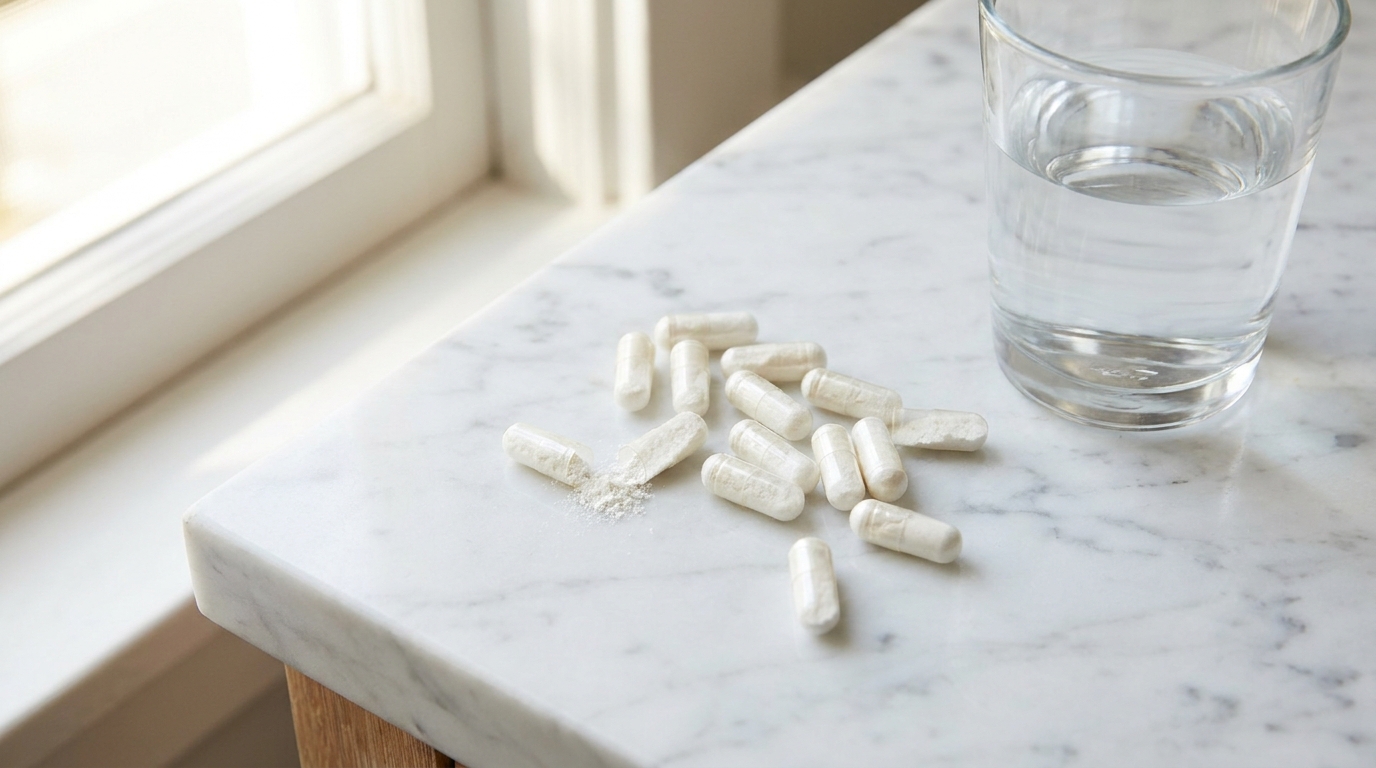
While animal agriculture relies on bulk supplementation, human applications demand highly refined food-grade L-Lysine. This essential amino acid plays a central role in the food, beverage, and human nutrition sectors. Manufacturers frequently incorporate it into sports nutrition supplements to support rapid muscle recovery. It also serves as a critical fortification ingredient in functional beverages and specialized medical nutrition products.
Meeting Dietary Restrictions and Consumer Preferences
Modern consumers strictly monitor their daily dietary intake, making specialized product certifications a non-negotiable requirement for food manufacturers. A premium ingredient must align seamlessly with diverse cultural and health-based dietary restrictions.
- Cultural Compliance: To reach global markets, ingredients require verified HALAL and KOSHER certifications.
- Health and Safety Labels: Health-conscious buyers actively seek out NON-GMO and ALLERGEN-FREE products.
Sourcing ingredients with these exact credentials prevents costly formulation delays and expands a brand’s potential market reach across different global demographics.
Ensuring Safety Through Stringent Quality Control
Human consumption mandates absolute safety. Stringent quality control remains the only way to guarantee product efficacy and consumer protection. Analytical testing must verify exact purity levels before manufacturing begins and screen thoroughly for heavy metals and trace microbial contamination.
Reliable suppliers utilize advanced testing equipment to meet strict Eurofins and SGS standards. Manufacturing facilities must also maintain FSSC, BRC, ISO, and GMP compliance. Continuous third-party audits and strict protocols ensure the final nutritional products remain consistently safe for human use.
Global L-Lysine Market Overview and Trends
The global L-Lysine market continues to expand rapidly, driven primarily by the rising worldwide demand for high-quality meat and poultry. As populations grow, commercial farming operations scale up to meet protein needs, directly increasing the consumption of essential feed-grade amino acids.
Simultaneously, the food-grade sector is experiencing significant growth. Consumers today focus heavily on proactive human health and immunity support, fueling the dietary supplement market. Manufacturers are responding by incorporating highly refined amino acids into daily nutritional products.
Supply Chain Dynamics and Pricing Factors
Several variables dictate pricing and availability within the global market. The primary factor is raw material access. Fermentation requires steady supplies of agricultural carbohydrates like corn or sugarcane. When weather or trade disruptions impact crop yields, amino acid production costs fluctuate.
Advancements in fermentation technology help stabilize these costs by yielding higher L-Lysine concentrations per batch. However, global logistics remain a complex challenge. Shipping delays and rising freight costs can impact final delivery prices, requiring buyers to partner with suppliers who maintain a robust supply chain.
Future Outlook: Sustainability and Bioavailability
The industry is shifting toward more sustainable production methods. Environmental regulations pressure manufacturers to reduce their carbon footprint, pushing future fermentation processes to utilize renewable energy and waste-reduction technologies.
Product development is also evolving rapidly, with research focused on creating highly bioavailable formulations. Improved bioavailability means end-users achieve better results with smaller doses. This nutritional efficiency benefits both the environment and the buyer’s bottom line.
Sourcing Reliable L-Lysine: Quality Control and R&D
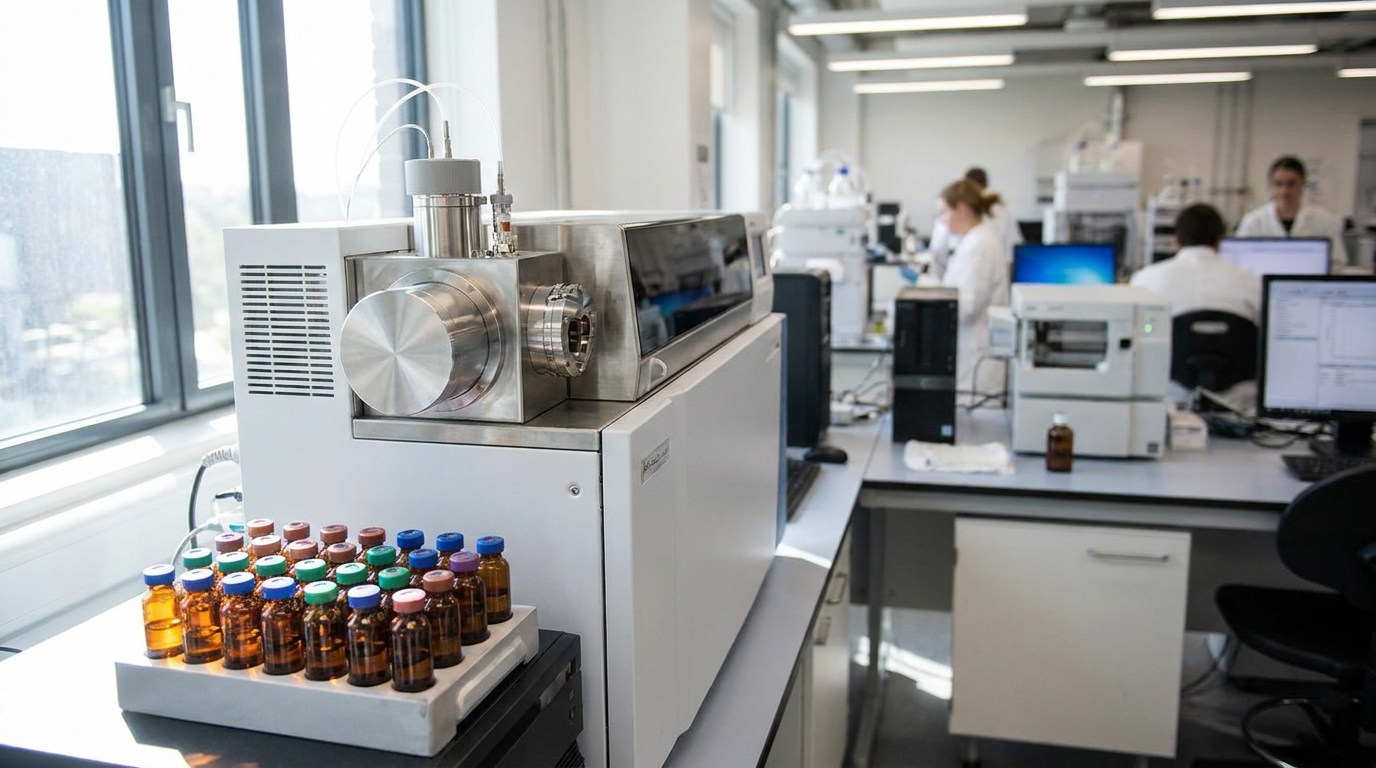
Selecting a reliable supplier goes beyond finding a competitive price. Buyers must carefully evaluate supply chain stability, technical support, and a strong certification portfolio. Whether purchasing a bulk feed-grade amino acid or a highly refined food-grade ingredient, consistency matters. Interruptions in supply or inconsistent purity can halt entire production lines.
The Value of Advanced Research and Development
Innovation drives the modern ingredient market. Advanced research and development directly improve product applications and formulation stability. Strong partnerships with academic institutions provide a significant advantage. For example, collaborating with top schools like Nanjing Agricultural University and China Pharmaceutical University accelerates new discoveries, helping manufacturers optimize everything from basic animal nutrition to complex pharmaceutical injection formulas.
SOHO Honry Chemical operates as a premier global ingredients solution supplier committed to sustainable development. Technology and innovation remain core strengths, supported by a dedicated R&D team of over 25 skilled technicians. Led by two PhDs from top universities, this team utilizes advanced industry testing equipment to provide comprehensive ingredient solutions that keep customers highly competitive globally.
Ensuring Compliance Through Strict Facility Standards
Regulatory compliance requires continuous effort and strict oversight. Facilities must maintain internationally recognized manufacturing standards to guarantee safety. Buyers should always verify that their manufacturing partners hold current facility certifications.
- Quality Management: ISO and GMP certifications ensure consistent production environments.
- Food Safety: FSSC and BRC certificates verify strict hazard control during manufacturing.
To maintain these standards, regular third-party audits are essential. SOHO Honry Chemical accepts rigorous external audits annually, providing comprehensive third-party audit reports and testing data against Eurofins and SGS standards. This transparency ensures that every batch of Lysine HCL or other specialty amino acids meets exact specifications.
Frequently Asked Questions About L-Lysine Grades and Uses
Can I use feed-grade L-Lysine in human food products?
No. You must never use feed-grade L-Lysine for human consumption. Feed-grade products have different tolerances for impurities and trace heavy metals that humans cannot safely process. While it is physically safe to use food-grade L-Lysine in animal feed, doing so drastically increases production costs without providing any extra nutritional benefits to the livestock.
What is the difference between Lysine HCL and L-Lysine Sulfate for animal feed?
The main differences are purity and composition. Lysine HCL is highly refined, offering about 78 percent purity, and mixes easily into standard feed rations. L-Lysine Sulfate provides a purity range of 55 to 70 percent. Because it is only partially purified, the sulfate form retains bacterial biomass from the fermentation process, adding extra nutritional value for certain livestock.
How does synthetic L-Lysine benefit the environment?
Adding synthetic L-Lysine to livestock diets allows farmers to safely reduce the total amount of crude protein in the feed. Historically, heavy high-protein diets caused massive levels of nitrogen excretion in animal waste, which damages local soil and water ecosystems. Targeted L-Lysine supplementation provides essential nutrients for rapid growth while significantly reducing harmful nitrogen runoff.
What certifications should I look for when buying food-grade L-Lysine?
For food-grade L-Lysine, look for facility certifications like GMP, ISO, FSSC, and BRC to ensure strict manufacturing safety. To meet diverse consumer dietary needs, the ingredient should also carry HALAL, KOSHER, NON-GMO, and ALLERGEN-FREE labels. Reliable suppliers like SOHO Honry Chemical will also provide third-party testing reports against Eurofins and SGS standards.
What factors affect the price and availability of L-Lysine?
The price of L-Lysine is primarily driven by the availability of raw materials used in fermentation, such as corn and sugarcane. Weather conditions or trade disruptions that impact these crop yields can cause production costs to fluctuate. Global logistics, shipping delays, and rising freight costs also impact final delivery prices, making a stable supply chain essential.
Kesimpulan
L-Lysine is vital for sustainable animal farming and human nutrition. Selecting the proper grade, such as Lysine HCL for livestock, ensures safety and performance. Partnering with a certified global supplier guarantees compliance and optimal results.
- Determine if your application requires food or feed-grade L-Lysine.
- Verify essential supplier certifications like GMP, HALAL, and KOSHER.
- Contact SOHO Honry Chemical for expert ingredient solutions and testing reports.
