 Przejdź do treści
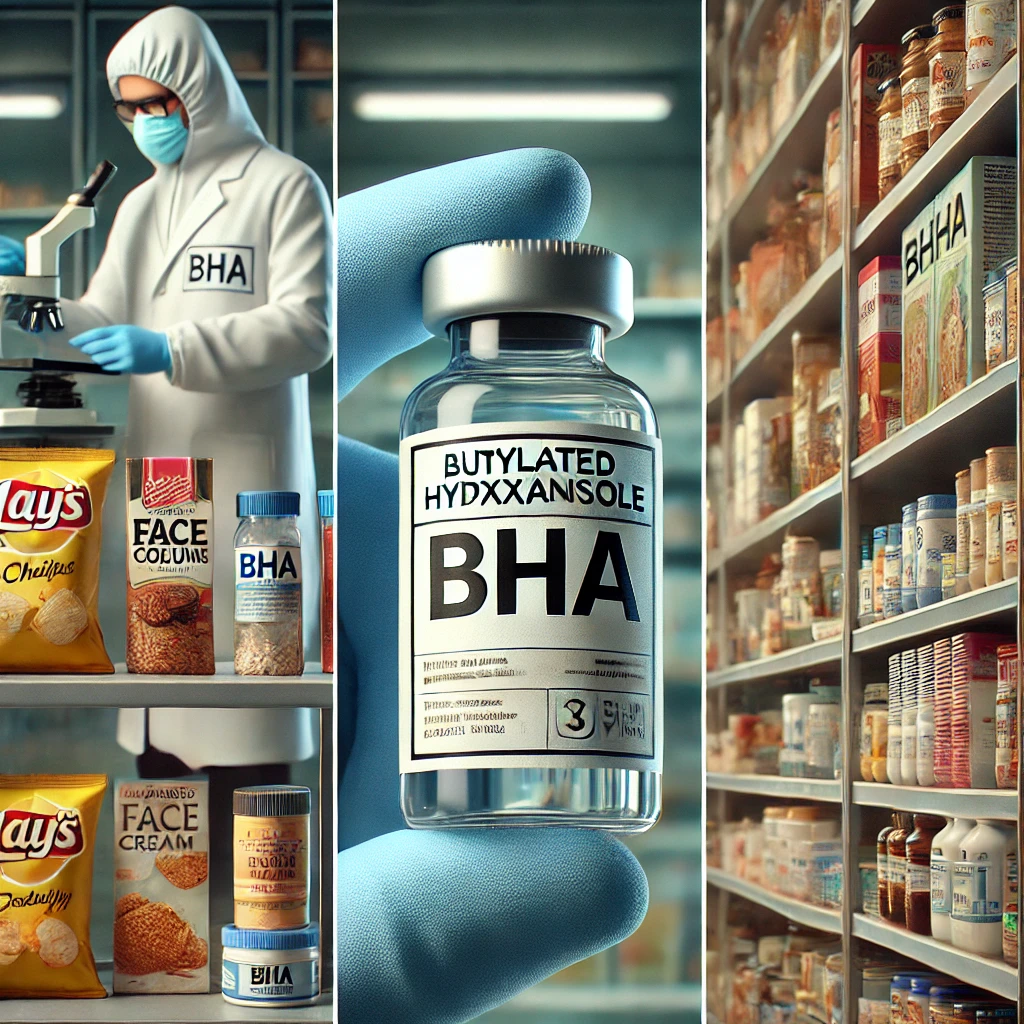
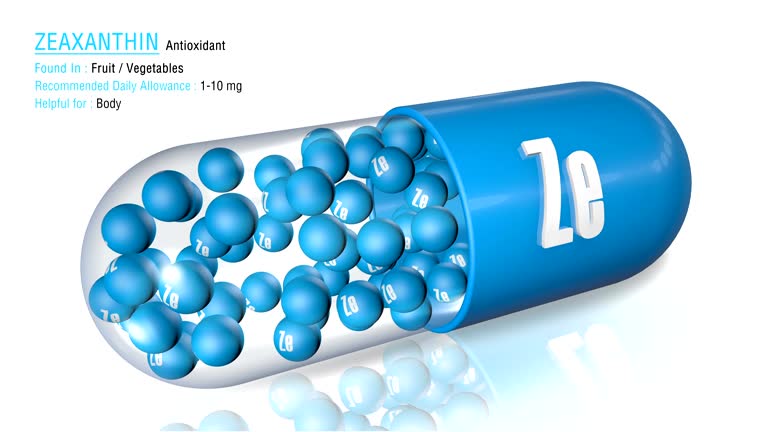

When consumers and professionals alike ask where to find the additives of a food, the answer depends entirely on their perspective. For the everyday consumer, the answer lies on the back of the packaging—hidden in plain sight within the ingredient declarations, E-numbers, and nutritional panels. However, for food manufacturers, research and development (R&D) scientists, and procurement managers, “where to find” these essential components refers to global supply chains, specialized trading companies, and rigorous sourcing protocols.
In the modern commercial food industry, dodatków spożywczych i Food Ingredients are the invisible backbone of the products we consume daily. They are responsible for extending shelf life, maintaining safety, enhancing nutritional profiles, and ensuring that the taste, texture, and appearance of a product remain consistent from the factory floor to the consumer’s pantry. Whether you are a consumer trying to decode a label or a purchasing manager looking for a reliable B2B partner to supply your production lines, understanding where to find, identify, and procure high-quality dodatków spożywczych is critical. This comprehensive guide will bridge the gap between regulatory labeling and B2B sourcing, offering deep insights into the complex world of commercial food formulation.
Where to Find Food Additives on a Product Label
To address the literal meaning of the question—where to find the additives of a food on a physical product—we must look at global food labeling regulations. Health authorities worldwide require that food manufacturers declare all ingredients used in a product to ensure consumer transparency and safety.
Understanding Ingredient Lists and E-Numbers
If you pick up any packaged food item, you will find the dodatków spożywczych listed in the ingredient declaration panel. By law in most countries, including under the regulations of the FDA (Food and Drug Administration) in the United States and the EFSA (European Food Safety Authority) in Europe, ingredients must be listed in descending order by weight. Because dodatków spożywczych are typically used in very small quantities, you will usually find them toward the end of the ingredient list.
To standardize the identification of dodatków spożywczych, many regions utilize specific numbering systems. In Europe and heavily influenced markets, the E-number system is standard, whereas the Codex Alimentarius Commission uses the International Numbering System (INS). Understanding these ranges helps you instantly identify what a specific additive is doing in the food.
Standard E-Number / INS Number Categorization Table
| Number Range | Additive Category | Primary Function in Food Processing | Example |
|---|---|---|---|
| 100 – 199 | Colors | Enhances or restores visual appeal lost during processing. | Curcumin (E100) |
| 200 – 299 | Preservatives | Prevents microbial growth and spoilage. | Sorbic acid (E200) |
| 300 – 399 | Antioxidants & Acidity Regulators | Prevents oxidation (rancidity) and manages pH levels. | Ascorbic acid (E300) |
| 400 – 499 | Thickeners, Stabilizers & Emulsifiers | Improves texture and prevents ingredient separation. | Xanthan gum (E415) |
| 500 – 599 | Acidity Regulators & Anti-caking Agents | Controls acidity and keeps powders free-flowing. | Sodium carbonates (E500) |
| 600 – 699 | Flavor Enhancers | Boosts existing flavors without adding distinct new tastes. | MSG (E621) |
When you read a label and see an ingredient like “Citric Acid” or “E330”, you have successfully found the dodatków spożywczych within that product.
The Shift Toward Clean Labeling
In recent years, B2B food manufacturers have faced immense pressure from consumers who want to recognize every item on an ingredient list. This has led to the “clean label” trend. Instead of complex chemical names or E-numbers, modern consumers prefer finding familiar terms. As a result, many food developers are actively reforming their products, seeking out natural Food Ingredients that perform the same functions as synthetic dodatków spożywczych but sound more appealing on a label. For example, replacing synthetic antioxidants with rosemary extract, or swapping artificial colors for beet juice powder.
Food Additives 101: Core Types and Their Purposes

To truly understand dodatków spożywczych, one must look beyond the label and understand the functional purposes these ingredients serve in commercial R&D and product formulation. A modern food supply chain simply cannot exist without dodatków spożywczych. They are the tools that food scientists use to solve complex problems related to mass production, transit, and storage.
Preservatives and Antioxidants
The primary goal of commercial food distribution is ensuring that products reach the consumer safely and without spoilage. This is where preservatives and Przeciwutleniacze play a vital role. While preservatives actively inhibit the growth of bacteria, molds, and yeasts, Przeciwutleniacze prevent the chemical process of oxidation, which causes fats and oils to turn rancid and fruits to turn brown.
A prime example of an essential additive in this category is Kwas cytrynowy i cytrynian. Widely used across the beverage, confectionery, and canned goods industries, citric acid acts as both a flavor enhancer and an acidity regulator. By lowering the pH of a product, it creates an environment where harmful microbes cannot thrive, thus naturally preserving the food.
Emulsifiers and Stabilizers
Texture is a major component of how we experience food. Without emulsifiers, a bottle of salad dressing would separate into a layer of oil and a layer of vinegar. Without stabilizers, ice cream would develop large, unpalatable ice crystals during storage. To solve these textural challenges, manufacturers rely heavily on Hydrokoloidy.
Hydrokoloidy are a diverse group of long-chain polymers (such as xanthan gum, guar gum, pectin, and carrageenan) that form viscous dispersions or gels when mixed with water. They are the unsung heroes of the food industry, providing the creamy mouthfeel in dairy alternatives, the structural integrity in gluten-free baking, and the stability in sauces and gravies, ensuring that products do not separate during long-distance transit.
Colors and Flavorings
Consumers eat with their eyes first. However, the rigorous processes of commercial cooking, baking, and pasteurization often strip raw ingredients of their natural vibrancy. To ensure batch-to-batch visual and sensory consistency, manufacturers utilize specific dodatków spożywczych to restore or enhance these properties. In the specialized realm of Colors & Bakery applications, heat-stable colors are crucial. Whether it is the golden hue of a mass-produced brioche bun or the vibrant red of a strawberry pastry filling, colors and flavorings guarantee that the consumer’s expectation matches their sensory experience every single time.
Nutritional Enhancers and Functional Ingredients
Today’s dodatków spożywczych are not just about preservation and texture; they are increasingly about fortification. As consumer health demands evolve, manufacturers are enriching foods with functional Food Ingredients to create value-added products.
- Białko roślinne: With the rise of veganism and flexitarian diets, ingredients like pea, soy, and rice protein isolate are heavily utilized to boost the macronutrient profile of meat alternatives, snacks, and beverages.
- Prebiotyki i MCT: Gut health and brain energy are massive trends. Incorporating inulin (a prebiotic fiber) or Medium-Chain Triglycerides (MCT) oil powders into functional foods helps brands appeal to the health-conscious demographic.
- Minerały i sole metali: Fortifying foods with essential micronutrients, such as calcium, iron, and zinc, helps combat global nutritional deficiencies and allows brands to make specific health claims on their packaging.
Taste Modifiers
With global health organizations pushing for sugar reduction, the beverage and snack industries have pivoted rapidly toward sugar alternatives. Słodziki—both natural (like Stevia and Monk Fruit) and artificial (like Sucralose and Aspartame)—are highly sought-after dodatków spożywczych. They allow manufacturers to deliver the sweetness consumers crave while drastically reducing the caloric footprint of the final product.
Natural vs. Synthetic: Navigating Safety and Regulations
When determining where to find the additives of a food, a common consumer concern is safety, often leading to a debate between natural and synthetic ingredients. However, from a scientific and regulatory standpoint, the safety of dodatków spożywczych is rigorously managed. Global regulatory bodies such as the FDA (US), EFSA (Europe), and the Joint FAO/WHO Expert Committee on Food Additives (JECFA) mandate exhaustive toxicological testing before any additive is approved for human consumption.
Why “All-Natural” Isn’t Always Feasible
While marketing departments love the “all-natural” claim, R&D developers and procurement managers know that relying entirely on natural dodatków spożywczych is not always feasible or sustainable for large-scale global production.
Synthetic dodatków spożywczych are often molecularly identical to their natural counterparts (nature-identical). However, they present several distinct advantages for commercial manufacturing:
- Stability: Synthetic colors and flavors often withstand the high heat of industrial baking and the extreme pressures of pasteurization much better than natural extracts, which can fade or degrade.
- Cost and Yield: Extracting natural vanilla from vanilla orchids is incredibly labor-intensive and expensive. Synthesizing vanillin is cost-effective and ensures that affordable baked goods can be produced on a mass scale.
- Sustainability: If the entire global food industry switched to purely natural Food Ingredients, the agricultural land and water required to grow those raw materials would cause catastrophic environmental damage. Synthetic production is often more resource-efficient.
Comparison Analysis: Natural vs. Synthetic Food Additives
| Cecha | Natural Food Additives | Synthetic Food Additives | B2B Impact & Preference |
|---|---|---|---|
| Sourcing | Derived from plants, animals, or minerals. | Chemically synthesized in laboratories. | Synthetics offer stable supply chains independent of weather or crop failures. |
| Koszt | High (labor-intensive extraction). | Low to Moderate (scalable manufacturing). | Synthetics lower the cost of goods sold (COGS) for manufacturers. |
| Shelf-Life | Generally shorter; prone to degradation. | Exceptionally stable over long periods. | Synthetics reduce food waste during global transit. |
| Label Appeal | High consumer trust; clean label friendly. | Lower consumer trust; requires E-numbers. | B2B buyers weigh premium pricing of natural against consumer demand. |
Where to Find (and Source) High-Quality Food Additives for Manufacturing
We have explored where to find dodatków spożywczych on a label and how they function within a recipe. Now we must address the most critical question for B2B professionals: where do food manufacturers actually find and source these bulk materials?
Transitioning from a prototype in a lab to full-scale factory production requires a robust supply chain. Sourcing dodatków spożywczych is not as simple as visiting a wholesale market; it requires strategic partnerships, strict quality assurance, and a deep understanding of global commodities.
The Role of a B2B Trading Company
Many procurement managers mistakenly believe that buying direct from a single Food Ingredients manufacturer is the best strategy. While going direct has its place, it is often highly inefficient for complex food production. A modern food product might contain Słodziki from South America, Hydrokoloidy from Asia, and Kwas cytrynowy i cytrynian from Europe. Managing dozens of individual factories, auditing their facilities, and handling disparate shipping schedules is a logistical nightmare.
This is where a specialized B2B trading company becomes invaluable. A B2B trading company acts as a vital bridge in the global supply chain. Instead of tracking down twenty different factories, a food brand can partner with a trading company to source their entire bill of materials. Trading companies have established networks, bulk purchasing power, and the logistical expertise to consolidate shipments. If a manufacturer needs a combined container of Białko roślinne, Przeciwutleniacze, and specific Colors & Bakery applications, a B2B trading partner can execute this seamlessly, drastically reducing freight costs and administrative burdens.
What to Look for in an Ingredient Supplier
When deciding where to find your next supplier of bulk dodatków spożywczych, several key criteria must be evaluated to protect your brand and ensure operational efficiency.
- Strict Regulatory Compliance and Quality Control: High-quality suppliers do not just sell products; they sell safety. A reputable trading company will ensure that every batch of Food Ingredients comes with a Certificate of Analysis (COA). They will partner only with facilities that hold internationally recognized certifications such as ISO 22000, GFSI, HACCP, Halal, and Kosher.
- Global Supply Chain Resilience: The past few years have proven that global supply chains are fragile. A strong B2B trading company mitigates this risk by maintaining relationships with multiple producers. If one Food Ingredients manufacturer experiences a shutdown, the trading company can swiftly pivot to an alternative source, ensuring your production line never stops.
- Comprehensive Portfolio: A superior supplier offers a diverse range of categories. Whether your R&D team is formulating a keto-friendly snack requiring Prebiotyki i MCT i Słodziki, or a fortified sports beverage needing Minerały i sole metali, having a one-stop-shop accelerates your time to market.
- Technical Support and R&D Partnership: The best suppliers understand the biochemical interactions of dodatków spożywczych. If your current emulsifier is failing under high-shear mixing, a knowledgeable trading partner can recommend alternative Hydrokoloidy that will solve the issue, acting as an extension of your own R&D department.
Wnioski
Understanding where to find the additives of a food is a journey that spans from the microscopic text on a consumer label to the massive, intricate webs of global B2B supply chains. For the consumer, identifying dodatków spożywczych like E-numbers, Przeciwutleniacze, czy Kwas cytrynowy i cytrynian provides transparency into what they are putting into their bodies. However, for food industry professionals, identifying these ingredients is only the first step. The true challenge—and the key to commercial success—lies in sourcing them reliably, safely, and cost-effectively.
If you are a food manufacturer, R&D scientist, or procurement manager looking to streamline your supply chain, partnering with a dedicated B2B trading company is your most strategic move. Don’t waste valuable resources managing fragmented suppliers. Whether you need bulk Białko roślinne, specialized Hydrokoloidy, or innovative Słodziki, contact us today to browse our comprehensive catalog of premium Food Ingredients and request a customized quote tailored to your production needs.
FAQ
1. Where do I look to find the food additives used in a packaged product?
To find the dodatków spożywczych used in a product, simply look at the ingredient list on the back or side of the packaging. Regulatory bodies require that all ingredients, including additives, be listed in descending order by weight. Additives are usually found near the end of the list and may be identified by their common chemical names (e.g., ascorbic acid) or by their designated E-number/INS number (e.g., E300).
2. Are all synthetic food additives unhealthy or unsafe?
No. All dodatków spożywczych, whether natural or synthetic, must undergo rigorous toxicological evaluations by global health authorities like the FDA and EFSA before they are approved for use in human food. In many cases, synthetic additives are molecularly identical to natural ones but are more stable, cost-effective, and sustainable to produce on a mass scale.
3. Why do B2B food manufacturers prefer using specialized trading companies over buying direct?
Sourcing raw materials involves complex logistics, cross-border compliance, and quality assurance. While a single Food Ingredients manufacturer might produce only one type of ingredient, a B2B trading company aggregates a vast portfolio. This allows procurement managers to source diverse items—from Minerały i sole metali do Colors & Bakery ingredients—through a single vendor, optimizing freight costs and simplifying supply chain management.
4. What are hydrocolloids and where are they found in food?
Hydrokoloidy are a specific class of dodatków spożywczych used primarily as thickeners, stabilizers, and emulsifiers. Common examples include xanthan gum, guar gum, and carrageenan. You will find them in a vast array of products, from ice cream and yogurt (to prevent ice crystals and separation) to gluten-free bread (to provide structural integrity) and salad dressings (to keep oil and water mixed).
5. How are sweetening agents classified among food ingredients?
Słodziki are categorized as taste-modifying dodatków spożywczych. They are generally divided into nutritive sweeteners (which provide calories, like high fructose corn syrup) and non-nutritive/high-intensity sweeteners (which provide zero or very few calories, like Stevia, Sucralose, or Monk Fruit). They are heavily utilized in the beverage and low-carb snack industries to meet consumer demand for sugar reduction.
