 Перейти к содержанию

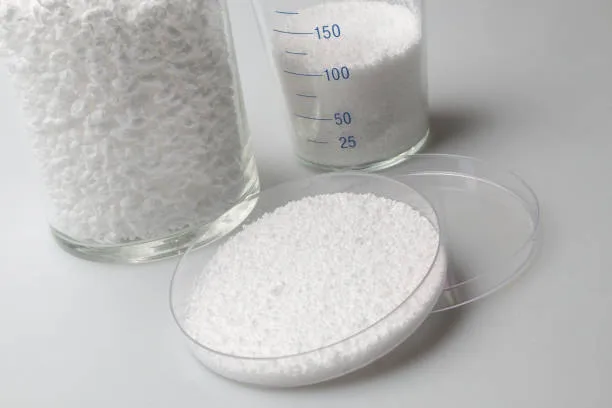

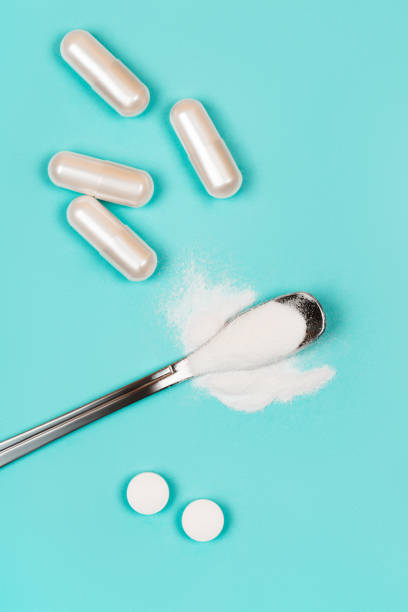
Consumers increasingly demand products that boost physical performance and overall wellness. To meet this need, formulators rely on L-Arginine. This article explores the specific functions, benefits, and practical applications of this versatile ingredient in sports nutrition and food manufacturing.
Understanding L-Arginine: A Conditionally Essential Amino Acid

L-Arginine is a conditionally essential amino acid. A healthy human body typically produces enough of it, but metabolic demand can fluctuate. Periods of intense physical stress, rapid growth, or illness can deplete natural stores. When athletic exertion outpaces the body’s production capacity, dietary supplementation becomes necessary to bridge this nutritional gap.
The Nitric Oxide Connection
The standout feature of this amino acid is its role in circulation. L-Arginine serves as the direct biological precursor to nitric oxide (NO). Endothelial cells lining the blood vessels convert L-Arginine into NO, a crucial signaling molecule that instructs the smooth muscles surrounding blood vessels to relax. This biological relaxation process is known as vasodilation.
Metabolism and Absorption Comparisons
L-Arginine metabolizes differently than other popular sports supplement ingredients. It undergoes heavy first-pass metabolism after ingestion. An enzyme called arginase breaks down a significant portion in the liver and intestines before it reaches the bloodstream.
This contrasts with branched-chain amino acids (BCAAs), which bypass the liver and metabolize directly within skeletal muscle tissue. Because of these absorption limitations, formulators must carefully calculate dosages to ensure product efficacy.
| Аминокислота | Primary Biological Role | Metabolic Pathway |
|---|---|---|
| L-аргинин | Nitric oxide precursor, vasodilation | Heavy first-pass metabolism in the liver and intestines |
| BCAAs (e.g., Leucine) | Muscle protein synthesis, energy | Bypasses liver, metabolizes directly in muscle tissue |
| L-Глютамин | Recovery, immune system support | Heavily consumed by intestinal cells during absorption |
Physiological Benefits of Vasodilation
The vasodilation triggered by L-Arginine offers distinct physiological advantages. Widening the blood vessels allows blood to flow more freely, rapidly delivering oxygen and essential nutrients to active muscles.
Improved circulation also aids in metabolic waste removal, helping flush out byproducts like lactic acid during intense exercise. For athletes, this mechanism may support better endurance and delay muscle fatigue. Beyond sports performance, proper vasodilation supports overall cardiovascular wellness.
Key Applications in Sports Nutrition
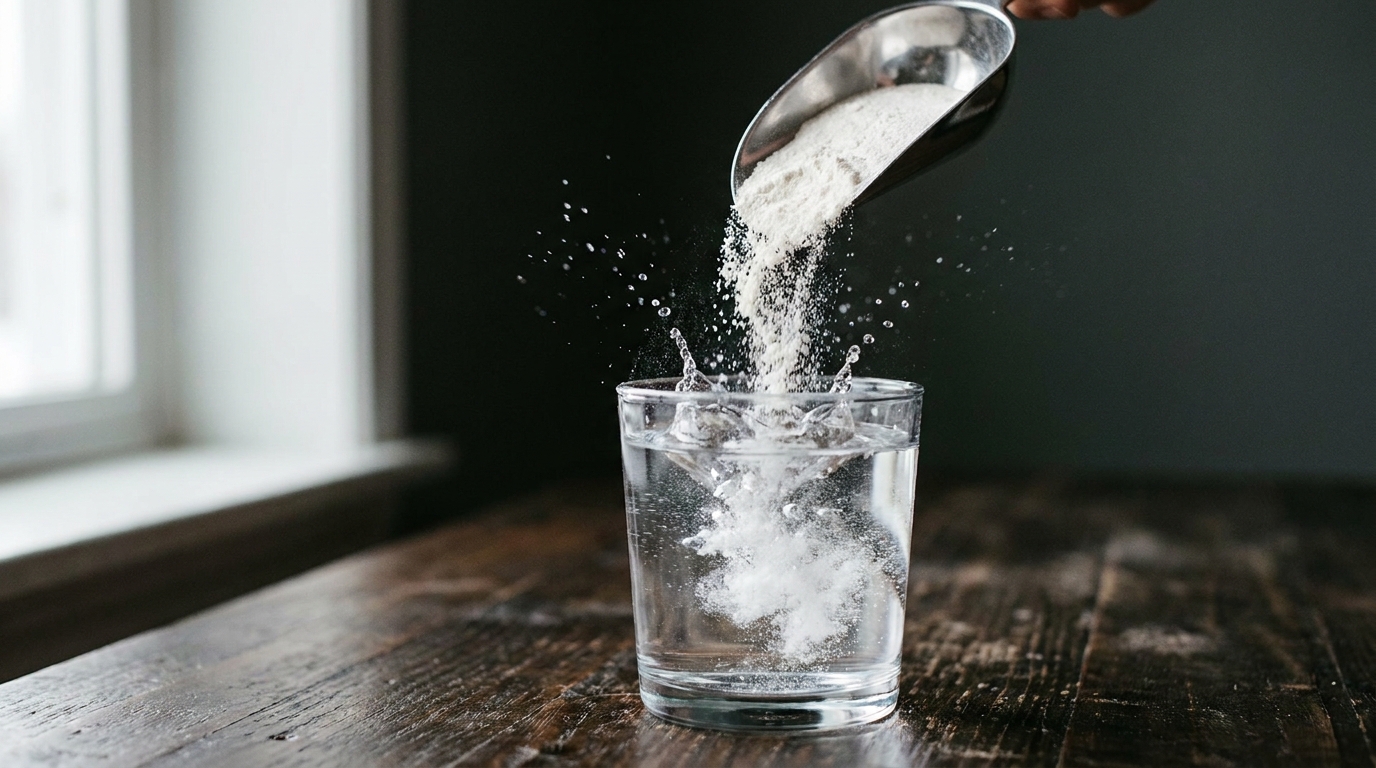
Formulators heavily utilize L-Arginine in pre-workout supplements. The vasodilation effect directly creates the popular “muscle pump,” a physical sensation athletes highly value during resistance training. Widening the blood vessels maximizes active blood volume in the working muscles.
Enhancing Endurance and Delaying Fatigue
Increased circulation actively drives oxygen and critical nutrients into strained muscle tissues. Faster nutrient delivery may help delay exercise-induced fatigue, allowing endurance athletes to sustain prolonged physical effort.
By clearing metabolic waste efficiently, L-Arginine supports longer training sessions. Formulators often combine it with complementary ingredients to maximize these benefits.
Post-Workout Recovery and Repair
L-Arginine also plays a vital role after intense exercise. Post-workout recovery supplements include this ingredient to accelerate muscle tissue repair by supporting protein synthesis.
This process is crucial for rebuilding damaged muscle fibers, as sustained blood flow continues delivering essential amino acids to recovering muscles long after the workout ends.
Common Delivery Formats
Sports nutrition brands offer L-Arginine in several delivery formats, each presenting unique manufacturing challenges and consumer benefits:
- Complex Powder Blends: Consumers typically mix these with water before training. Brands frequently source bulk powder to create comprehensive pre-workout formulas. Powders easily accommodate the higher dosages required to overcome first-pass liver metabolism.
- Ready-to-Drink (RTD) Beverages: Popular for immediate, on-the-go consumption. Formulators must carefully manage pH levels and ingredient stability in these liquid solutions over long shelf lives.
- Capsules and Tablets: Provide precise, measured doses. They offer high convenience but may require users to swallow multiple pills to reach effective dosages.
L-Arginine Uses in the Food and Beverage Industry
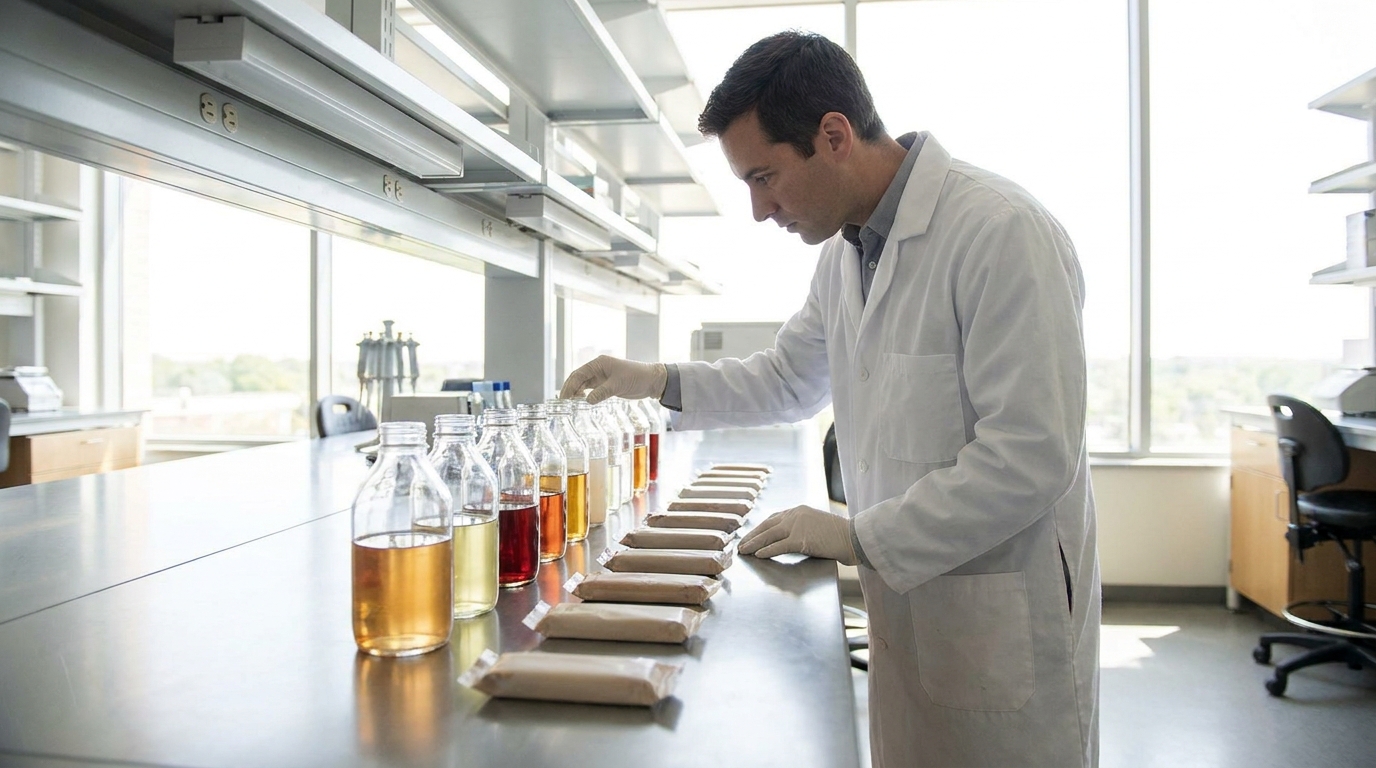
Beyond specialized sports supplements, formulators integrate L-Arginine into mainstream functional products like fortified energy drinks and nutrition bars. Integrating concentrated amino acids into these formats requires precise engineering to ensure the ingredient remains stable throughout standard manufacturing processes like pasteurization.
Clinical and Medical Nutrition
L-Arginine plays a critical role in clinical and medical nutrition. Severe physical trauma, surgery, or illness rapidly depletes the body’s natural reserves, requiring targeted dietary supplementation.
Medical food products utilize this ingredient to support accelerated tissue healing and compromised immune systems. Hospitals rely on specialized enteral and parenteral formulas to improve patient recovery outcomes.
Flavor Modification and Additive Interactions
L-Arginine also serves a secondary function in food manufacturing as a subtle flavor modifier. It can effectively reduce unwanted bitterness in certain formulations and enhance savory umami notes in complex food matrices.
However, formulators must monitor how it interacts with other food additives, as unintended chemical interactions can alter a product’s texture or taste over its shelf life.
| Application Category | Primary Function | Common Product Formats |
|---|---|---|
| Functional Foods | Energy support and daily wellness | Energy drinks, nutrition bars |
| Medical Nutrition | Tissue healing and immune support | Enteral formulas, recovery shakes |
| Flavor Modification | Bitterness reduction, umami enhancement | Savory snacks, complex sauces |
Regulatory and Safety Considerations
Adding concentrated amino acids to consumer food requires strict regulatory compliance. Formulators must establish safe consumption limits to prevent potential gastrointestinal distress. Sourcing pure, traceable raw materials is non-negotiable.
Partnering with a reliable global supplier like SOHO Honry Chemical ensures product safety and consistency. Their R&D team, led by two PhDs from Nanjing Agricultural University and China Pharmaceutical University, features over 25 technicians.
Manufacturers must verify that ingredients meet strict Eurofin and SGS testing standards. Essential facility certifications include FSSC, BRC, ISO, and GMP. Sourcing HALAL, KOSHER, NON-GMO, and ALLERGEN FREE materials allows brands to reach diverse global markets.
Sourcing High-Quality L-Arginine Bulk Powder
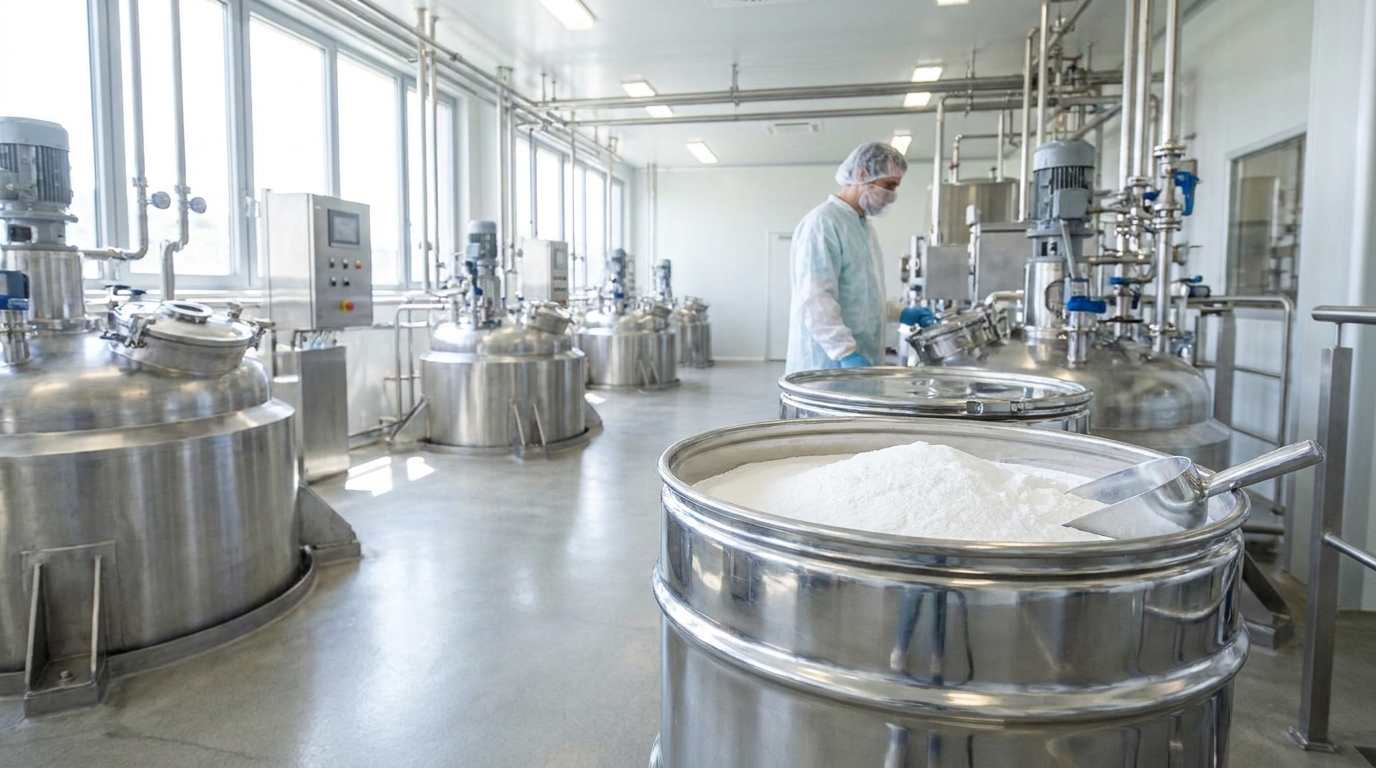
Procurement teams prioritize three main factors when evaluating raw materials: solubility, purity, and stability. High solubility ensures the bulk powder dissolves smoothly in liquid formats. Exceptional purity prevents unwanted chemical interactions, and reliable stability guarantees the finished product maintains its nutritional value.
Sourcing from facilities with rigorous quality control is essential for brand protection. Advanced testing equipment verifies that every batch meets strict structural specifications, protecting manufacturers from contaminated or diluted ingredients.
Essential Manufacturing Certifications
Partnering with certified suppliers actively minimizes global supply chain risks. Facilities holding comprehensive certifications—such as FSSC, BRC, ISO, and GMP—demonstrate a strong commitment to safe production environments and simplify regulatory compliance.
Modern consumers increasingly look for specific dietary labels on packaging. Utilizing raw materials certified HALAL, KOSHER, NON-GMO, and ALLERGEN FREE addresses diverse dietary requirements and growing health concerns, providing a significant competitive advantage in global retail markets.
Partnering for Innovative Solutions
Choosing the right supply partner drives long-term product success. SOHO Honry Chemical provides safe, competitive human nutrition solutions globally.
By maintaining deep cooperation with top institutions like Nanjing Agricultural University and China Pharmaceutical University, their R&D team provides valuable technical support. This professional partnership helps food and beverage formulators overcome complex manufacturing challenges efficiently.
Formulation Considerations and Common Mistakes
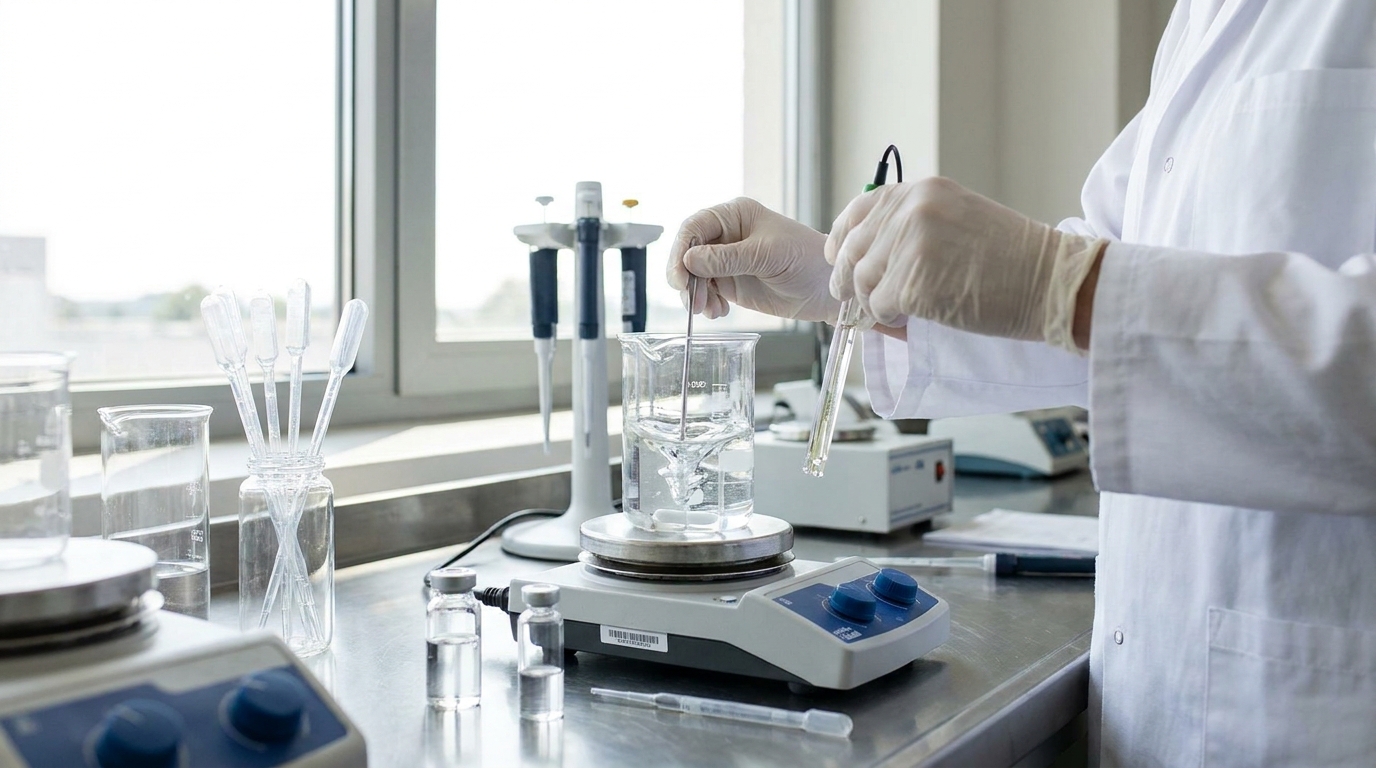
Formulators often struggle with the natural flavor profile of L-Arginine, which possesses a distinctly bitter and alkaline taste. This presents a significant challenge when developing liquid beverages.
Food scientists typically use acidulants like citric or malic acid to neutralize the alkalinity. Selecting robust flavor systems, such as citrus or berry, effectively covers the remaining bitterness.
Preventing Moisture Absorption and Clumping
Improper handling during manufacturing frequently leads to product failures. L-Arginine is highly hygroscopic, readily absorbing moisture from the surrounding air.
If storage facilities lack strict humidity controls, the bulk powder will quickly clump, ruining the texture of powdered sports supplements and causing inaccurate dosing. Manufacturers must utilize moisture-barrier packaging and maintain climate-controlled blending environments to preserve product integrity.
Mitigating Supply Chain Risks
Sourcing low-grade materials introduces severe risks to the final product. Unreliable suppliers sometimes cut corners on purification processes, introducing unwanted chemical byproducts.
Procurement teams must demand comprehensive documentation to ensure safety. Reputable partners provide transparent, third-party audit reports. SOHO Honry Chemical accepts rigorous third-party audits annually, issuing detailed reports that verify adherence to Eurofin and SGS standards. This independent verification protects brands from costly recalls and formulation failures.
Executing Effective Pilot Tests
Skipping pilot testing is a costly formulation mistake. Before full-scale production, teams must conduct comprehensive small-batch trials to ensure long-term stability and consumer safety:
- Assess Ingredient Compatibility: Mix the active compounds with all intended excipients and monitor the blend for unexpected color changes or chemical separation.
- Evaluate pH Stability: Test liquid formats over several weeks to ensure the alkaline nature does not degrade other sensitive nutrients.
- Conduct Accelerated Shelf-Life Testing: Expose the prototype to high heat and humidity to verify that the moisture barrier prevents clumping over time.
- Perform Sensory Panels: Evaluate the taste profile repeatedly to ensure the bitterness remains fully masked throughout the entire shelf life.
Frequently Asked Questions About L-Arginine in Sports Nutrition and Food
Why is L-Arginine added to pre-workout supplements?
L-Arginine is heavily used in pre-workout supplements because it helps the body produce nitric oxide. Nitric oxide causes vasodilation, widening the blood vessels. This increases blood flow, creating a physical “muscle pump” during exercise. It also delivers oxygen and nutrients to active muscles faster, helping athletes delay fatigue and improve endurance.
How does L-Arginine absorb differently than BCAAs?
Unlike branched-chain amino acids (BCAAs), which bypass the liver and metabolize directly in muscle tissues, L-Arginine undergoes heavy first-pass metabolism. Enzymes in the liver and intestines break down a large portion of it before it reaches the bloodstream. Because of this absorption limitation, formulators must carefully calculate higher dosages to ensure the final product is effective.
Can L-Arginine change how foods and drinks taste?
Yes. In food manufacturing, scientists sometimes use L-Arginine as a flavor modifier to reduce unwanted bitterness and enhance savory umami flavors. However, in its raw form, it has a distinctly bitter and alkaline taste. Formulators often use acidulants like citric acid and strong citrus or berry flavors to mask this natural taste in sports drinks.
Why does L-Arginine powder clump, and how can it be prevented?
L-Arginine is highly hygroscopic, meaning it easily absorbs moisture from the surrounding air. If stored in a humid environment without proper controls, the bulk powder will quickly clump together, ruining the texture and making accurate dosing difficult. Brands prevent this by using strict climate-controlled blending rooms and sealing the finished product in moisture-barrier packaging.
What certifications should manufacturers look for when buying bulk L-Arginine?
To ensure safety and purity, manufacturers should source L-Arginine from suppliers holding FSSC, BRC, ISO, and GMP certifications. It is also important to look for raw materials certified HALAL, KOSHER, NON-GMO, and ALLERGEN FREE. Trusted suppliers test their ingredients against rigorous Eurofin and SGS standards to guarantee they are safe for human nutrition.
Заключение
L-Arginine is a powerful ingredient for advancing sports nutrition and functional food formulations. To develop successful health products, manufacturers must prioritize ingredient purity, stability, and rigorous testing. Partnering with a certified global supplier ensures your products remain safe and competitive.
For formulators working with functional ingredients across drinks, dairy and convenience foods, explore our food and beverage solutions.
To learn more about our company, quality control and global supply capability, visit About Honry Chemical.
- Evaluate your current formulations for L-Arginine integration.
- Request ingredient samples and third-party audit reports.
- Verify supplier certifications like FSSC, BRC, ISO, and GMP.
