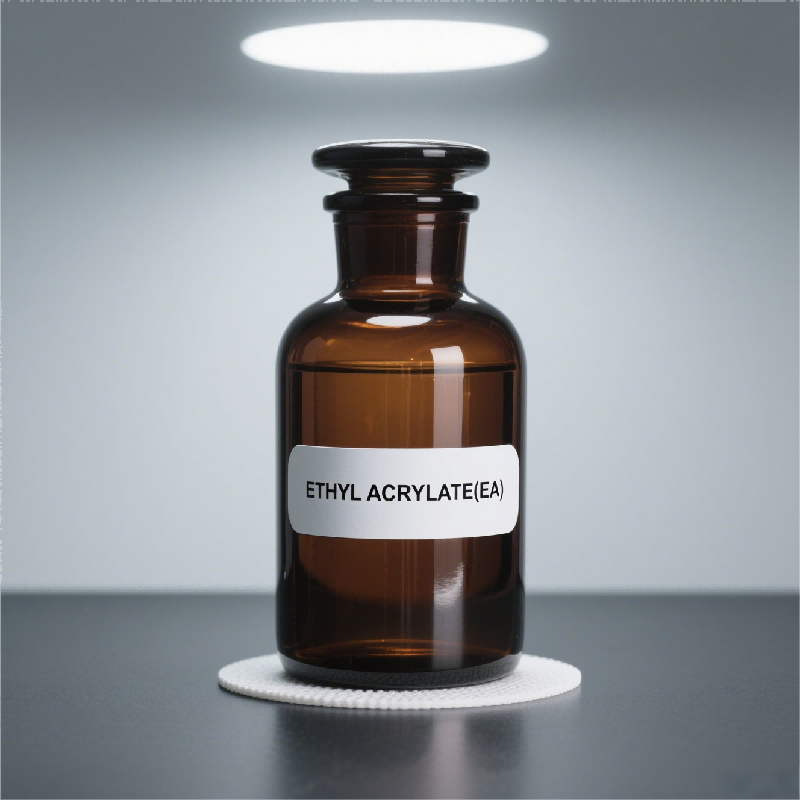
Chemical Name: Ethyl 2-propenoate
CAS Number: 140-88-5
Molecular Formula: C₄H₆O₂
Synonyms: Ethyl acrylate
Appearance: Colorless liquid with a pungent odor
Flash Point: -18°C
Boiling Point: 99°C
Density: 0.93 g/cm³ at 20°C
Solubility: Slightly soluble in water; miscible with most organic solvents
Product Overview
Ethyl Acrylate (EA) is a highly reactive monomer primarily used in the production of copolymers and terpolymers. These copolymers impart enhanced flexibility, adhesion, and durability to a wide range of materials, making EA a critical component in various industrial applications.
Key Applications
1. Coatings and Paints
-
Water-Based Latex Paints: EA is utilized in the formulation of water-based latex paints, providing improved adhesion and flexibility.
-
Industrial Coatings: Incorporated into coatings for metal, wood, and plastic surfaces to enhance durability and resistance to environmental factors.
-
Leather Finishes: Used in leather coatings to improve flexibility and abrasion resistance.
2. Adhesives and Sealants
-
Pressure-Sensitive Adhesives (PSAs): EA copolymers are employed in PSAs for applications requiring strong initial tack and long-term adhesion.
-
Hot-Melt Adhesives: Incorporated into hot-melt adhesives to provide flexibility and resistance to temperature variations.
-
Construction Sealants: Enhances the performance of sealants used in construction, offering improved adhesion and weather resistance.
3. Textiles and Leather
-
Textile Finishes: EA-based copolymers are used to impart softness, water repellency, and wrinkle resistance to fabrics.
-
Synthetic Leather: Improves the flexibility and durability of synthetic leather materials.
4. Plastics and Rubber
-
Polymer Modifiers: EA is used as a comonomer in the production of acrylic resins, enhancing impact resistance and flexibility.
-
Elastomers: Incorporated into elastomers to improve elasticity and resistance to oils and heat.
5. Chemical Synthesis
-
Intermediate in Organic Synthesis: EA serves as a precursor in the synthesis of various chemicals, including caprolactam and other specialty monomers.
-
Pesticide Production: Used in the synthesis of carbamate insecticides, contributing to agricultural pest control.
Physical and Chemical Properties
-
Appearance: Colorless liquid
-
Odor: Pungent
-
Density: 0.93 g/cm³ at 20°C
-
Solubility: Slightly soluble in water; miscible with most organic solvents
-
Boiling Point: 99°C
-
Flash Point: -18°C
-
Vapor Pressure: Approximately 1.2 kPa at 20°C
-
Refractive Index: 1.398 at 20°C
Safety and Handling
Ethyl Acrylate is a highly flammable liquid and vapor. It may cause skin and eye irritation and has potential health hazards upon inhalation or ingestion.
-
Storage: Store in a cool, well-ventilated area away from heat sources and open flames.
-
Personal Protective Equipment (PPE): Use appropriate PPE, including gloves, goggles, and protective clothing, when handling EA.
-
Ventilation: Ensure adequate ventilation to minimize inhalation exposure.
-
Spill Response: In case of a spill, evacuate the area and follow proper spill response procedures.
Packaging and Availability
Ethyl Acrylate is available in various packaging options to meet the needs of different industries:
-
Drums: Typically available in 180 kg (396 lbs) steel drums.
-
IBC Totes: Available in 1,000 kg (2,204 lbs) intermediate bulk containers.
-
Bulk Quantities: Available upon request for large-scale applications.
Certificates
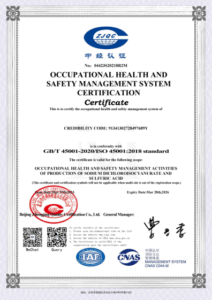
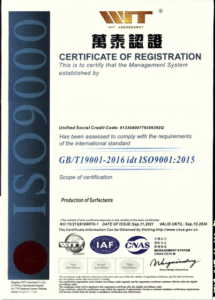
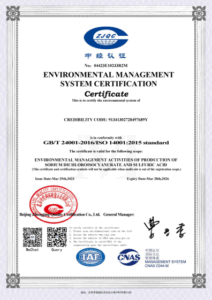
Payment terms: Various payment methods are available, including T/T IN ADVANCE, Part repayment and part credit, etc.