
Polyether polyol is one of the most important backbone materials supporting a wide span of applications from flexible foams to coatings, adhesives, and elastomers. In the tide of global manufacturing evolution towards being lighter, stronger and more efficient as well as sustainable; Polyether Polyol balances performance with processing versatility besides having chemical stability thus standing out among other competitors comprehending what is polyether polyol how it’s made and why it’s so fundamental across numerous industries shed light on its rising significance within international supply chains this content will delve into an explanation regarding chemistry aspects behavior under different conditions industrial usage markets trends involving environmental issues related to.
Polyether polyol is popularly known as one of the major components in the reactive system forming foams, elastomers, sealants, and coatings; more specifically, its production results in a large content by mass of the final product. Its molecular structure provides for an array of end-use specific properties that can be selected from among products with different available molecular weights, functionalities, and structures to suit various industrial applications. With high-performance material demands increasing in automotive and construction markets as well as furniture/electronics/textiles/packaging markets worldwide, all these engineered durable solution developments, Polyether polyol plays an ever-increasing key role.
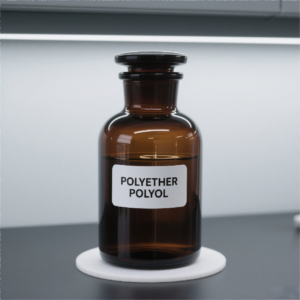
Understanding Polyether Polyol
Definition and Molecular Structure
Polyether polyols are obtained by polymerizing epoxides such as ethylene oxide (EO), propylene oxide (PO), or butylene oxide (BO). The monomers build long polymer chains with ether linkages in the backbone of the chain. These provide flexibility to the material, together with hydrolytic stability and chemical resistance. Depending on the catalysts used, functional groups present on the initiator, and sequence of polymerization, polyether polyols may be synthesized either completely linear or highly branched; therefore, they find usefulness over a wide range of manufacturing processes.
The hydroxyl groups predominantly terminate the polymer chains. These hydroxyl groups react with isocyanates to form polyurethanes. By adjusting the hydroxyl functionality, it influences the crosslinking density in polyurethane systems, hence manufacturers can design materials ranging from soft foams to rigid polymers or elastic structures.
Key Chemical Properties
Molecular properties of polyether polyol are directly related to its performance characteristics in end-use applications. Some important features comprise molecular weight distribution, hydroxyl number, viscosity, and structure of the polymer backbone. These properties essentially control softness or hardness and density, and elasticity, besides water absorption and chemical resistance of the material.
Polyether polyols provide excellent hydrolytic resistance compared to polyester polyols due to the stable ether linkage. Therefore, they are suitable for humid environments and water-based systems or whenever long-term durability is required. Another advantage lies in their chemical stability at different temperatures, which manufacturing processes involving heat or thermal cycles can benefit from.
Production of Polyether Polyol
Raw Materials and Catalysts
Polyether polyol is normally produced from EO, PO, and mixed EO/PO feedstocks. Anionic catalysts or double metal cyanide (DMC) catalysts or some special systems permitting control of molecular architecture initiate the polymerization. Catalysts have recently been developed to increase productivity and reduce by-products, as well as improve quality in terms of a narrower molecular weight distribution.
Renewable feedstocks are also emerging as a trend toward sustainability. Natural oils, glycols, biobased, and initiators from vegetables are being used increasingly to develop greener alternatives for polyether polyols. The innovation of new products supports the achievement of sustainability goals but does not compromise the performance characteristics of materials.
Manufacturing Process
The steps generally found in a process to produce polyether polyol are initiator preparation, alkoxylation reaction, catalyst neutralization, stripping, and filtration. The target is continuous polymerization, accurate functionalization, and viscosity control.
Most manufacturers make block or random copolymers with different contents of EO and PO. The ratio and sequence define its hydrophilicity, reactivity, and mechanical properties to a great extent. For example, polyether polyols contain more EO, which makes them hydrophilic and increases their reactivity. Polyether polyols contain more PO, which reduces their viscosity and increases their flexibility.
Performance Characteristics of Polyether Polyol
Mechanical Performance
Polyether polyol is appreciated for its mechanical flexibility. It enables the adjustment of final polyurethane materials to particular strength, durability, and elasticity requirements. In a flexible application, such as furniture cushions and seats in automobiles, together with mattresses, it provides comfort and elasticity. Structural stability added to structural foams supports stability and load-bearing features.
Thermal and Hydrolytic Stability
Polyether polyol is resistant to hydrolysis. Therefore, it can be used in moist environments and also for refrigeration insulation where the application requires water or humidity exposure. The material possesses thermal stability, which supports not only high-temperature manufacturing processes but long-term use in demanding environments such as construction and industrial insulation systems.
Chemical Resistance
Due to its ether-based backbone, polyether polyol provides good resistance to acids, bases, and chemical agents. This makes it ideal for sealants, industrial coatings, and automotive components exposed to variable chemical environments.
Polyether Polyol in Different Polyurethane Applications
Flexible Polyurethane Foam
Flexible polyurethane foam is among the largest markets for polyether polyol. It finds application in furniture, mattresses, automotive interiors, and cushioning products. The softness, resilience, and energy-absorbing characteristics of the foam are directly related to its molecular structure of the polyether polyol used.
Formulations are made to achieve specific performance characteristics. These include-and are not limited indentation force deflection, density, and strength properties of the high resilience foam. In general, a type of polyol having an average molecular weight and functionality suited for elasticity or support comfort enhancement is preferred.
Rigid Polyurethane Foam
Polyether polyol is a major component for structural integrity and insulation properties of rigid polyurethane foams. The application areas of such foams can be found in building insulations, refrigeration and cold storage systems, industrial pipelines with strong thermal insulations where the foam has a closed cell structure that does not allow water permeability, together with high moisture resistance.
Using polyether polyol with specific functionalities increases crosslink density, creating rigid materials capable of supporting structural loads or maintaining dimensional stability. With growing global energy-efficiency requirements, demand for high-performance rigid foam continues to increase.
Elastomers, Adhesives, and Sealants
Polyether polyol is widely used in polyurethane elastomers designed for wheels, rollers, belts, and industrial components. Flexibility and toughness combine to result in excellent abrasion resistance and mechanical strength under demanding conditions.
Adhesives and sealants include systems wherein polyether polyols impart cohesive strength together with moisture resistance and long-term bonding characteristics. Stable yet reactive enough for construction, automotive, aerospace, or electronics applications.
Coatings and Paints
Polyether polyol is integral to the chemical structure of a great number of surface protection systems and coatings based on polyurethane. It helps provide a coating that is durable, smooth, and resistant to UV degradation. Application areas are floors, wood finishes, metal protective coatings, fabric coatings, and industrial machinery.
They select it for its chemical stability-for adhesion-and the type of glossy scratch-free surface it provides. In combination with other additives, it enhances weatherability, corrosion resistance, and total aesthetic appearance.
Market Demand and Industrial Growth
Expanding Global Manufacturing Industries
Polyether polyol remains in high demand due to the increasing output of all these sectors: automotive manufacturing, construction, consumer goods, and electronics. Finished products used in those industries, fact provide efficiency, service life, or durability as well as design flexibility through the application of elastomers or coatings- are constantly being improved by lighter, more energy efficient materials at end users’ insistence; hence polyurethane solutions made with polyether polyol.
Insulation requirements and green building standards increase the demand for rigid polyurethane foam. Lightweight materials reduce fuel consumption to improve automotive performance. Here again, polyether polyol is an important participant in attaining these objectives.
Technological Advancements
The advances, for example, better control over the product and efficient use of catalysts, plus low energy consumption in its manufacturing process, have made this material available to producers worldwide.
High functionality polyether polyols and special low unsaturation content polyols permit the formulation of a large number of systems with mechanical, thermal, or chemical characteristics at any level. Next-generation products can be supported through proper system selection.
Sustainability Trends
The trend for clean manufacturing, low emissions, and green materials is pushing the polyether polyol market. Producers are offering bio-based polyether polyols to reduce carbon footprint, which completely matches performance standards.
Recycling technologies for polyurethane foams and elastomers are developing, too. As the global circular-economy movement grows, polyether polyol manufacturers are finding new ways both to create sustainable feedstocks and make polyurethane products more easily recyclable.
Environmental and Safety Considerations
Emissions and Regulation
The environmental rules and regulations on emissions, waste treatment, and safe handling of chemicals apply to the production of polyurethanes (including polyether polyols). Most manufacturers voluntarily comply with VOC-related rules and other processing safety or occupational exposure regulations.
Developments in high-performance low-VOC and water-borne polyurethane systems play an important role in polyether polyol. It helps formulators support lower-emission materials while maintaining all key features.
Energy Efficiency and Insulation Benefits
Rigid polyurethane foams made from polyether polyol provide high-performance insulation, reducing energy consumption in buildings, refrigeration systems, and industrial applications. Low thermal conductivity and durability result in long-term efficiency and environmental benefits.
The use of energy-efficient materials drives the demand for polyether polyol. As regulations tighten around the globe, another solution that shares regulations with greenhouse gas emissions by using polyurethane insulation is growing rapidly.
Waste Management and Recycling
Even though recycling of polyurethane is much more difficult, emerging recycling technologies recover the glycols and other intermediates usable in the manufacture of polyurethanes, which may help to partially complete the future circular production of polyols. Intensive research works are being carried out on developing products with improved recyclability and reduced waste generation. The highly stable structure of polyether polyol makes it compatible with new recycling solutions as sustainability strategies continue to evolve.
Market Trends and Future Outlook
Rising Demand in Emerging Economies
Rapid industrialization in Asia, Latin America, and parts of Africa is creating fresh avenues for the polyether polyol market. Growth in construction, automotive production, home furnishing, and refrigeration industries is pushing the material demand upward.
In developing economies, there is an uptick in demand for energy-efficient buildings and consumer comfort products, as well as lightweight components used in automobiles that are supplied to finished vehicle assemblers. The trends can be well supported by polyether polyol.
Innovation in Bio-Based Polyols
Bio-based polyether polyols are considered potential sustainable alternatives to petrochemical-derived materials. Renewable feedstocks include castor oil, corn sugar, or any plant-based glycols. Technologies among manufacturers are competing to result in bio-polyols with at least comparable properties to the conventional ones.
The market of bio-based polyetherpolyols will steadily grow under the global trend toward stricter sustainability requirements. This innovation reduces dependence on fossil resources and thus emissions of greenhouse gases.
Smart Materials and Advanced Manufacturing
Applications of polyether polyol include advanced manufacturing technologies such as 3D printing, microcellular polyurethane systems, and high-performance elastomers. The smarter industries get, and the more customized production is carried out, the more flexible formulations of polyether polyol will be required.
Emerging applications prove the versatility of the material in robotics, medical devices, and electronic encapsulation. These sectors demand very specific characteristics from polyurethane to perform at a high level-e.g., precision for robotics; biocompatibility for healthcare implementations; electrical insulation within electronics.
Long-Term Industry Outlook
The long-term outlook for polyether polyol is positive, with continuous expansion in traditional industries and huge potential in emerging markets. As global manufacturing pressures increase, the material’s adaptability and performance advantages position it as a foundation component of future industrial development.
With better production, sustainability-driven innovation, and growing international demand, polyether polyol will still play a significant role in various industries. Its mechanical properties, combined with stability and even the flexibility of processing, permit it to be used as a material for developing manufacturing technology.
Conclusion
Polyether polyol is one of the most important materials of the modern world. Its molecular flexibility and intermediate properties make it possible to develop foams, elastomers, coatings, or adhesives which can be used in an application requiring either strength or comfort; insulation or chemical resistance. More construction activity means more demand for thermal insulation as energy-saving awareness grows globally developed as well as emerging economies. Meanwhile, manufacturing trends are shifting toward lightweight advanced processes, but all are significantly reliant on core input like polyether polyol.
