
Introduction: The Shifting Protein Landscape
For decades, whey protein has been the undisputed champion of the protein supplement market. Revered for its complete amino acid profile and rapid absorption, it became the gold standard for athletes, bodybuilders, and fitness enthusiasts. Its market dominance was a testament to its effectiveness and the powerful marketing engine of the dairy industry. However, the ground beneath this monolith is shifting. A powerful, consumer-driven movement towards plant protein is not just a passing trend; it is a fundamental reshaping of the nutritional landscape.
This transition is fueled by a confluence of critical modern concerns: health, sustainability, and ethics. Consumers are more educated and discerning than ever before. They are seeking products that align with their personal health goals, including managing allergies and improving digestion. They are acutely aware of their environmental footprint, demanding transparency and accountability from the brands they support. And a growing segment is driven by ethical considerations regarding animal welfare.
While countless articles debate this topic from a consumer’s perspective, this analysis is different. We will move beyond a simple comparison of nutritional labels to provide a strategic deep-dive for the innovators of our industry: the brands, product formulators, and manufacturers who are building the future of food. The question is not just about which protein is better for the individual, but which protein is the better strategic choice for business growth, brand resilience, and long-term market relevance. As a global supplier committed to scientific health and sustainable development, we believe the answer lies in understanding the multifaceted advantages of plant protein.
Formulation & Functionality: A Technical Comparison
The decision between whey and plant protein often begins in the lab, with formulators and R&D teams weighing the technical merits of each ingredient. Historically, whey held a clear advantage in functionality and nutritional completeness. However, thanks to significant advancements in food science and processing technology, plant protein now not only competes with whey but, in many critical aspects, surpasses it.
Amino Acid Profiles & Efficacy
The primary measure of a protein’s quality is its amino acid profile, particularly its content of the nine essential amino acids (EAAs) that the body cannot produce on its own.
-
Whey Protein: Whey is a complete protein, meaning it naturally contains all nine EAAs in sufficient quantities. Its high concentration of branched-chain amino acids (BCAAs)—leucine, isoleucine, and valine—has made it the go-to for muscle protein synthesis.
-
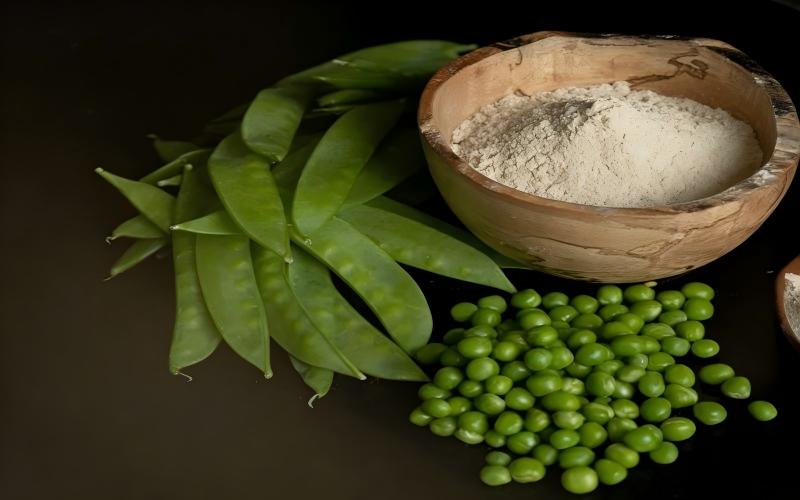
Plant Protein: While some single sources of plant protein (like soy and quinoa) are complete, many are considered “incomplete” as they are low in one or more EAAs. For example, pea protein is low in methionine, while rice protein is low in lysine. However, this is where the power of formulation comes into play. By strategically blending complementary plant protein sources, such as pea and rice protein, formulators can create a final product with a superior and more robust amino acid profile than whey. This blending allows for the customization of EAA levels to target specific health outcomes, offering a level of precision that a single-source ingredient cannot.
The discussion of protein quality extends to its digestibility and bioavailability, often measured by scores like the Protein Digestibility-Corrected Amino Acid Score (PDCAAS) and the more recent Digestible Indispensable Amino Acid Score (DIAAS).
| Metric | Whey Protein Isolate | Soy Protein Isolate | Pea Protein Isolate |
|---|---|---|---|
| PDCAAS | 1.00 | 0.98-1.00 | 0.89-0.93 |
| DIAAS | 1.09 | 0.91 | 0.82 |
While whey has traditionally held the top scores, modern processing techniques have dramatically improved the digestibility of plant protein. High-quality isolates and concentrates now boast scores that are highly competitive. Furthermore, research continues to show that when it comes to real-world outcomes like muscle hypertrophy and strength gains, plant protein supplements perform on par with whey when matched for total protein and leucine content.
Application Performance (Beyond the Shake)
A protein’s true value in the B2B market is its versatility across a wide range of applications, from ready-to-drink beverages and protein bars to baked goods and dairy-free alternatives. This is where the diverse portfolio of plant protein truly shines.
-
Texture & Mouthfeel: Whey is known for its smooth texture and high solubility, but it can sometimes result in a thin or watery mouthfeel. Plant protein offers a diverse toolkit for textural innovation.
- Pea Protein: Lends a creamy, rich texture, making it ideal for dairy-free yogurts, ice creams, and thicker shakes.
- Soy Protein: Possesses excellent emulsification properties, creating stability and a smooth mouthfeel in sauces, dressings, and meat analogues.
- Fava Bean Protein: Is gaining popularity for its remarkably neutral flavor and fine texture, allowing for high inclusion rates without compromising the final product’s sensory profile.
- Rice Protein: Can provide a slightly denser texture, which is highly desirable in protein bars and baked goods where structure is key.
-
Solubility & Flavor: The most significant historical challenge for plant protein powders has been their perceived grittiness and characteristic “beany” or “earthy” off-notes. These were legitimate concerns that limited their application. However, today’s high-quality ingredients are a world apart. As a company with deep R&D partnerships with leading institutions like Nanjing Agricultural University, we have seen firsthand how technology transforms these raw materials. Advanced techniques such as micro-milling, enzymatic treatment, and sophisticated filtration processes have virtually eliminated solubility issues. Furthermore, proprietary de-flavoring technologies now yield plant protein isolates that are incredibly neutral, providing a clean canvas for product developers to build upon. This means formulators no longer have to “mask” the protein’s flavor; they can let the intended flavors of their product—be it chocolate, vanilla, or strawberry—take center stage.
Market Opportunity & Consumer Demand
Beyond the laboratory, the most compelling arguments for embracing plant protein are found in market data and shifting consumer behaviors. Integrating plant protein is no longer a niche strategy; it is a critical component of capturing mainstream market share and future-proofing a brand.
The “Clean Label” Advantage
The “clean label” movement is one of the most powerful forces in the food and beverage industry. Consumers are demanding shorter, more understandable ingredient lists and are actively avoiding artificial additives, allergens, and ingredients they perceive as unnatural. Plant protein is perfectly positioned to meet this demand.
-
“Free-From” Formulations: Plant protein is the cornerstone of the “free-from” category. It allows brands to develop products that are:
- Lactose-Free: Catering to the estimated 68% of the world’s population with lactose malabsorption.
- Dairy-Free: Appealing to consumers avoiding dairy for health, ethical, or environmental reasons.
- Allergen-Friendly: While soy is a major allergen, the vast array of other plant protein sources (pea, rice, fava, pumpkin seed, sunflower) provides numerous options for creating products free from the top 8 allergens. This is a significant advantage over whey, a known dairy allergen.
-
The Power of Certifications: The marketing narrative around plant protein is inherently powerful. Brands can leverage sought-after claims and certifications that resonate deeply with today’s health-conscious consumer. Sourcing ingredients from a supplier with certifications like NON-GMO and ALLERGEN FREE, as we hold, allows brands to pass that trust and transparency directly to their customers. Claims such as “Certified Organic” and “Sustainably Sourced” become key brand differentiators on a crowded shelf, building consumer loyalty and commanding a premium price point.
Targeting New Demographics
While the core fitness market remains important, the greatest growth opportunity lies in the expanding universe of health-oriented consumers. A product portfolio centered on whey protein inherently limits a brand’s reach. Conversely, a portfolio built on the versatility of plant protein opens the door to a much broader and more diverse customer base.
- The Flexitarian Majority: The most significant and influential consumer group today is the flexitarian. These individuals are not strictly vegetarian or vegan but are consciously and actively reducing their consumption of animal products. They are driven by a mix of health and sustainability concerns and represent a massive, largely untapped market for protein-enriched products. They are looking for high-quality, delicious, and convenient plant-based options, and plant protein is the key ingredient to meet that need.
- Vegans and Vegetarians: This dedicated and growing segment is a core audience that is, by definition, inaccessible to whey-based brands. Offering certified vegan plant protein products is the only way to capture this loyal market.
- Health and Wellness Consumers: Beyond specific diets, there is a vast population of consumers using protein for general wellness, healthy aging, and weight management. This group is often more receptive to the “clean, green, and sustainable” narrative of plant protein than the performance-oriented marketing typically associated with whey.
The ongoing debate of is plant protein better than whey protein is being settled in the shopping carts of these new consumer segments. They are voting with their wallets for products that align with their modern values.
Supply Chain & Sustainability: A Business Resilience Perspective
For purchasing managers, C-suite executives, and operations leaders, the conversation around protein sourcing extends to crucial business fundamentals: price volatility, supply chain security, and corporate responsibility. From this strategic viewpoint, plant protein offers compelling advantages in resilience and long-term stability.
Price Stability & Sourcing
-
The Dairy Market: The price of whey protein is intrinsically linked to the highly volatile global dairy market. It is subject to fluctuations based on feed costs, weather patterns affecting grazing, disease outbreaks, and complex government subsidies. This can lead to unpredictable price swings that make forecasting and margin control a significant challenge for CPG companies.
-
The Plant Protein Market: The supply chain for plant protein is inherently more diverse and, therefore, more stable. Key crops like peas, soy, and rice are grown in multiple geographic regions around the world. This diversification mitigates risk; a poor harvest in one region can be offset by a strong harvest in another. As leading plant protein manufacturers and suppliers with a robust global supply chain, we can help our partners navigate this landscape, ensuring a consistent and reliable source of high-quality ingredients. This strategic diversification is not just a safety net; it’s a competitive advantage that protects a brand from the supply shocks that can plague single-source commodities.
The Sustainability Narrative
Sustainability is no longer a “nice-to-have” corporate initiative; it is a core business imperative. Consumers demand it, investors measure it (through ESG scores), and the planet requires it. The sustainability story of plant protein is one of its most powerful and marketable assets. The data clearly illustrates the stark contrast with animal-based proteins.
Environmental Footprint Comparison (Per Kilogram of Protein)
| Factor | Whey Protein (from milk) | Pea Protein |
|---|---|---|
| Land Use (m²) | ~50-100 m² | ~3-5 m² |
| Water Usage (Liters) | ~4,000-8,000 L | ~1,500-2,000 L |
| Carbon Emissions (kg CO2e) | ~20-40 kg | ~1-2 kg |
(Note: Figures are estimates and can vary based on agricultural practices and processing methods.)
These are not just numbers; they are powerful marketing claims. A brand that chooses plant protein can authentically communicate its commitment to a healthier planet. This narrative resonates powerfully with Millennial and Gen Z consumers, who consistently rank sustainability as a key factor in their purchasing decisions. Framing sustainability as a core brand pillar, enabled by your choice of ingredients, transforms a product from a simple commodity into a statement of values. In an increasingly transparent world, this is a narrative that builds deep and lasting brand equity. The whey vs plant protein decision becomes a decision about what a company stands for.
Conclusion: Choosing the Right Protein for Future Growth
So, is plant protein better than whey? The answer becomes clear when we reframe the question. “Better” depends entirely on the goal. If the goal is to maintain the status quo and serve a legacy market, whey remains a viable option. But if the goal is innovation, market expansion, and building a resilient brand for the future, plant protein is the unequivocally superior strategic choice.
It offers unparalleled advantages in market growth by unlocking access to the powerful flexitarian, vegan, and wellness demographics. It provides a compelling and authentic brand story centered on clean labels, health, and sustainability—the very values that define the modern consumer. From a technical standpoint, innovations in food science have effectively closed the historical performance gap. Advanced plant protein powders now deliver exceptional nutritional profiles, superior functionality across diverse applications, and a clean sensory experience that delights consumers.
The choice is no longer a compromise between performance and principles. The strategic selection of plant protein is a proactive step towards aligning your product portfolio with consumer demand, de-risking your supply chain, and solidifying your brand’s position as a forward-thinking leader in the nutrition industry.
Your next successful product line starts with the right ingredients. Partner with us to explore our portfolio of high-functionality plant protein solutions. Contact our team of experts for a consultation and a sample.
FAQs
1. Is plant protein as effective as whey for muscle building?
Absolutely. Numerous studies have shown that when matched for total protein content and essential amino acid profiles, plant protein supplements are just as effective as whey protein in promoting muscle protein synthesis, strength gains, and improved body composition. The key is to use a high-quality, complete plant protein source, often achieved by blending proteins like pea and rice to ensure a full spectrum of amino acids, particularly a high dose of leucine.
2. What are the best-tasting plant protein powders for product formulation?
The “best” tasting option depends heavily on the final application. For products with delicate flavors like vanilla or fruit, fava bean isolate and certain highly-processed pea isolates are excellent choices due to their remarkably neutral taste. For richer applications like chocolate or coffee flavors, the subtle earthy notes of pea or pumpkin seed protein can actually enhance the overall profile. The most critical factor is the quality of processing; working with a supplier who utilizes advanced de-flavoring and milling technologies is essential to achieving a clean, smooth, and grit-free final product.
3. Are plant proteins truly more sustainable than whey?
Yes, the data is overwhelmingly clear. The production of plant protein requires significantly less land, water, and energy, and it generates far fewer greenhouse gas emissions compared to the production of dairy-based proteins like whey. For example, producing one kilogram of pea protein can use up to 80% less water and 95% less land than producing the same amount of protein from dairy milk. This makes it a demonstrably more sustainable choice for environmentally conscious brands and consumers.
4. How do I choose the right plant protein manufacturer or supplier?
Choosing the right partner is critical. Look for a supplier who acts as more than just a distributor. Key qualifications include:
- Strong R&D and Technical Support: They should have a team that can help with formulation challenges and offer innovative solutions.
- Robust Quality Control: Look for comprehensive certifications such as FSSC, BRC, ISO, GMP, HALAL, KOSHER, NON-GMO, and ALLERGEN FREE.
- A Stable and Transparent Supply Chain: Inquire about their sourcing practices and their ability to ensure consistency and availability.
- A Diverse Portfolio: A good supplier will offer a range of plant protein options to suit different applications and price points.
5. Can you formulate a complete protein using only plant sources? Yes, easily and effectively. This is one of the greatest strengths of working with plant protein. The concept of “protein complementarity” allows formulators to combine two or more plant sources to create an amino acid profile that is not only complete but can be optimized to be superior to whey. The classic combination of pea protein (high in lysine) and rice protein (high in methionine) is a perfect example of creating a synergistic blend that delivers a full spectrum of essential amino acids for optimal human health and performance.
