
In today’s social media society where everything is about looking great naked, “sun-kissed skin” is always in style; therefore, people are constantly looking for safe alternatives to sunbathing. The #carrottan trend on sites such as TikTok has millions of views and numerous influencers are promoting the idea that by eating large amounts of carrots you can achieve the “perfect summer glow” without getting any UV damage. Does it work? Is carrot tanning a good alternative to a tan or to a spray tan? This complete guide examines the ability of beta carotene for use as a skin tan (if it can actually simulate one), as an antioxidant in cosmetic products for the skin, and as a multi-use coloring agent for many different products across multiple industries.
It Can Change Skin Color, but It’s Not a Traditional Tan
Many people confuse the golden hue provided by beta carotene for skin with the results of UV exposure. While both result in a darker skin tone, the biological pathways are entirely different.
The Principle and Color Difference
When exposed to ultraviolet (UV) radiation from the sun, your body uses its defense mechanism against UV rays by producing pigmentation—melanin—by special skin cells called melanocytes. This dark pigment absorbs UV rays and helps to protect your cellular DNA. The result is a person with brownish or bronzed skin as a result of “melanogenesis.” On the other hand, carotenemia is caused by consuming high amounts of beta-carotene – a lipid-soluble provitamin A. Some of the excess beta-carotene that is not converted into vitamin A (retinol) will be stored in your fat cells and in the stratum corneum (the outer layer of our skin).
The Color Difference:
Traditional Tan/Spray Tan: Usually results in a cool or neutral bronze, brown, or “chocolate” tone, depending on your natural melanin levels.
Beta-Carotene Glow: Produces a warm, yellowish, or golden-orange hue. It is often most visible in areas with thick skin or many sweat glands, such as the palms of the hands and the soles of the feet.
Several studies within evolutionary psychology show how having a glow (or status) from beta-carotene can make your skin look more attractive and appear healthier than getting a tan from UV rays because being able to see that someone eats a lot of healthy food (i.e. carotenoids)
Dual Action: Changing Skin Color and Aiding the Tanning Process
A big benefit of using beta carotene as a skin tanner is the fact that you will receive physical benefits from the beta carotene in addition to receiving just a superficial color from applying it to the skin.
Sun Protection and Antioxidant Properties
Beta-Carotene is a powerhouse antioxidant for skin. Unlike a spray tan, which only coats the surface, Beta-Carotene works from the inside out.
- Endogenous Photoprotection:Although not meant to be used alone as a substitute for externally applied SPF, beta carotene also acts as a form of internal sun protection. Because of its effect on increasing what is called “minimal erythema dose” or MED (minimum dose required to result in a sunburn due to exposure), supplementation with beta carotene can improve and enhance our skin’s own ability to defend itself against UVR exposure. As a result, individuals can enjoy being outdoors longer without burning from the UVR exposure, thus allowing them to achieve a better more gradual and evenly developed tan.
- Scavenging Free Radicals:UV rays produce Reactive Oxygen Species (ROS) leading to oxidative stress, DNA damage and you guessed it premature skin aging due to wrinkles or sunspots caused by UV damage. An important part in providing an antioxidant for your skin is Beta-Carotene. If you are trying to obtain a tan you should include Beta Carotene in your daily routine as it will help to prevent photoaging from the sun’s rays.
- Synergy with Other Nutrients:In the formulations of professional face reality skincare products, beta-carotene is typically combined with vitamins E and C to form a strong “network” of antioxidants that help maintain the strength of the skin barrier, making your skin appear hydrated and glowing rather than dry and leathery after sun exposure.
Safety and Reversibility
One of the biggest concerns for consumers is whether the orange tint is permanent or dangerous. The short answer is: No.
Beta-Carotene serves as a provitamin. As a result of this property, the body will only convert beta-carotene into vitamin A when it needs vitamin A. Due to this mechanism, the risk of hypervitaminosis A due to the preformed form of vitamin A (i.e., retinol) is reduced. Consuming excessive amounts of beta-carotene supplements will not lead to any negative side effects; the only negative effect is that your skin will change colour (ie, carotenemia).
Will it go away? Yes, the good news is that Carotenemia is reversible. If you reduce your high consumption of beta-carotene, your skin will return back to normal because the stratum corneum shed old skin cells containing the excessive pigment (beta-carotene) through natural exfoliation, in addition to metabolizing the stored pigment. The time frame for this reversal is usually shortened to just a few weeks, but varies based on your individual metabolism and skin cell turnover rate. This condition is much easier to remove than a tan which peels off or a spray tan which becomes streaked as it fades.
Application Scenarios of Beta-Carotene
Beta-carotene is a major component in many B2B industries because of its bright color and health properties. The ability of beta-carotene to be used as a color additive in products as well as being labeled “clean label” allows for it to be highly valued within each sector.
Food, Pharmaceuticals, and Cosmetics
Food Industry: The yellow to orange color that beta-carotene creates is common in many natural food dyes. It is used in many food products including margarines, cheese, functional beverages and gummies. Many people will also consume “tanning gummies” containing beta-carotene in an attempt to enhance their skin color at home.
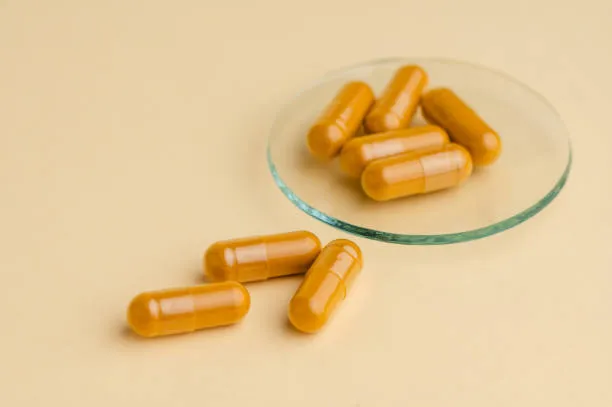
Pharmaceuticals and Nutraceuticals: Beta Carotene is frequently utilized in supplements due to its visual health benefits, immune system enhancement, and ability to promote healthy skin. Generally, beta carotene is used to coat pills (tablets’s coating) or provide the ingredient itself in softgel capsules that support systemic oxidative damage to the skin.
Cosmetics and Skincare: Sunless tanning lotions, anti-aging serums & after sun creams all use beta-carotene because it’s a natural way to enhance the appearance of your skin right away with some degree of warmth, as well as to provide long term antioxidant properties for your skin. This is why many of the Face Reality skincare lines will include beta-carotene as one of their signature ingredients since it serves as a bridge between the temporary colour that is typically associated with makeup and the healing and protective characteristics of skincare.
How to Obtain Beta-Carotene
Whether you are an individual looking for a healthy glow or a manufacturer looking for high-quality raw materials, there are three primary ways to source this nutrient.
Natural Foods, Drugs, and Supplements
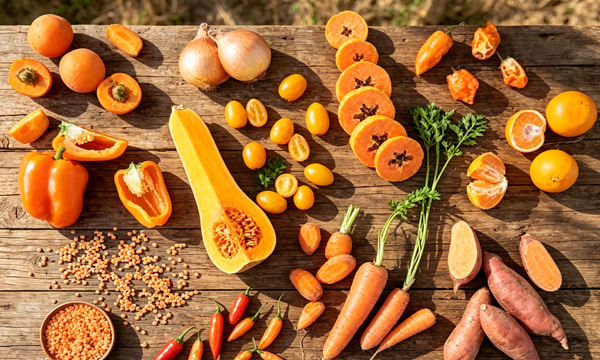
- Natural Food Sources:The most common way to ingest
| Food Item | Content (per 100g) | Why it’s great |
| Sweet Potato | 11,500 μg | The best source for a natural glow. Best eaten cooked. |
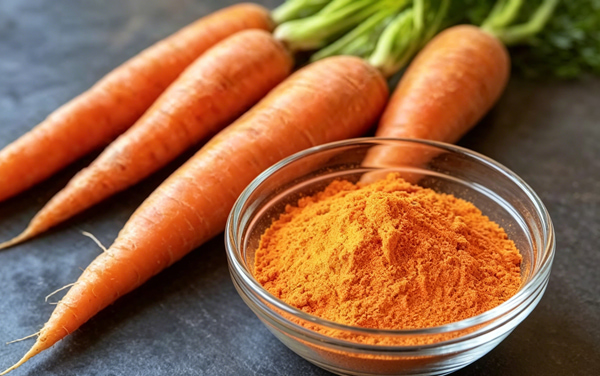
| Carrots | 8,500 μg | The most famous source for beta carotene for skin. |
| Spinach | 5,600 μg | A powerful antioxidant for skin that also provides iron. |
| Butternut Squash | 4,500 μg | Great for skin health and very stable during cooking. |
| Cantaloupe | 2,500 μg | A refreshing fruit source that helps with skin hydration. |
- Pharmaceutical Grade (Drugs):High Dose Beta Carotene is available on prescription from doctors, to treat the side effects of a medical condition called Erythropoietic Protoporphyria (EPP). These have been highly controlled and can be found in very pure forms.
- Beta Carotene Supplements:The most common way that individuals achieve a ‘tanned’ look is by taking beta carotene supplements.These come in several forms:
Synthetic Beta-Carotene: Highly stable and cost-effective for coloring.
Natural Extraction: Derived from sources like Dunaliella salina (algae) or fermented fungus.
Powders, emulsions, and oil suspensions: For B2B buyers, these advanced forms are essential. They protect the Beta-Carotene from oxidation and ensure it dissolves perfectly in liquids or mixes evenly in tablets.
Summary
To sum up, the main point is that Beta-Carotene doesn’t give you a regular tan; however, it provides a very natural way to look “sun-kissed.” When you use it in your skin, it gives off a healthy golden glow in the superficial layers of your skin, which many people prefer to the brownish color of either a spray tan or the sun’s rays.
In addition to being pleasing to the eyes, beta carotene has a huge role as an antioxidant that protects skin from photoaging and oxidative stress. Many companies, including those in the food, pharmaceutical, and cosmetic industries, continue to use beta carotene as a natural coloring agent because it is considered one of the safest colors to use for consumers. There are many options available to help you achieve an “inner glow” from eating a variety of foods with beta carotene or using quality beta-carotene supplementation.
The support behind achieving that inner glow has become so much more scientific than ever before! The first step to develop a successful, science-based formulation contains high-stable, high-purity beta-carotene, so if you are a manufacturer interested in incorporating high-stability, high-purity beta-carotene into your next product line, it is important for you to understand the various mechanisms involved in order to make this happen.
FAQs
Q1: How long does it take to see a change in skin tone after taking Beta-Carotene?
A: The way that beta carotene for skin works is that beta carotene gets absorbed into the stratum corneum of your skin for a gradual, even tan—not an instant tan, like with a spray tan. Most people report a fairly subtle ‘golden glow’ after taking beta carotene on a regular basis for 2-4 weeks. The speed of change in skin coloration will vary greatly from one person to another based on factors like their metabolism, the dosage of beta carotene taken and the particular formulation’s bioavailability.
Q2: Is the “tan” from Beta-Carotene safe, and will it turn my skin orange?
A: Yes, it is typically considered safe for use, as compared to a tan created from ultraviolet rays, there is no DNA damage associated with its use. While high dosage levels of this product can give someone a yellowish-orange coloration (carotenemia), this is absolutely temporary and poses no health risk. To achieve an actual tanning effect rather than an “orange” color, it is best practice to follow professional recommendations regarding dosage levels when using this product, along with using face reality skincare products which contain formulations that have added amounts of different carotenoids in order to create the appearance of a more natural colored tan.
Q3: Can I use Beta-Carotene supplements to replace my daily sunscreen?
A: No, however, although beta-carotene Is a powerful skin antioxidant providing ‘endogenous photoprotection,’ there are limited amounts of natural SPF present; thus, they will complement (i.e., support) your topical sunscreen, not replace it. Beta-carotene will neutralize free radicals and reduce your chances of long-term effects from sun damage due to free radicals/oxidation from the sun, but you should still be applying an SPF to protect yourself against immediate surface/burn effects.
