

What keeps ice cream smooth and medicines highly effective?
The secret is a natural, invisible ingredient.
What is sodium alginate and what is it used for?
In this post, you will discover its seaweed origins.
We will explore its incredible uses across multiple industries.
What is Sodium Alginate? A Complete Overview
You just read about an invisible ingredient shaping our daily products. People often ask, what is sodium alginate and what is it used for? Let us look closer at its true nature.
A Natural Polysaccharide
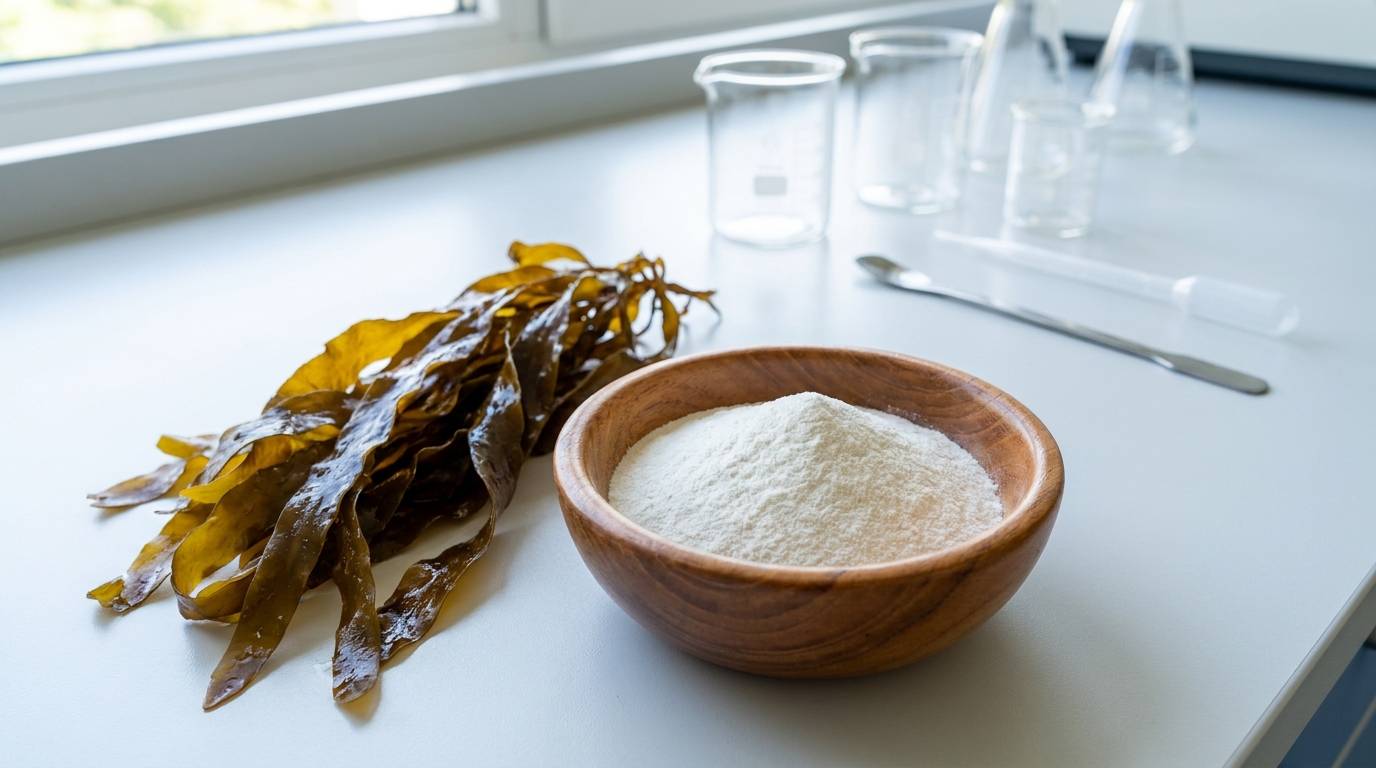
Sodium alginate is a naturally occurring polysaccharide. Chemists define it as the sodium salt of alginic acid. It serves as a powerful building block for countless applications. You will often find it refined into a pure sodium alginate powder. This fine white or yellowish powder dissolves easily in liquids.
Where Does It Come From?
Nature provides this incredible material. Harvesters extract it directly from the cell walls of brown seaweed. They focus on specific kelp species. Macrocystis pyrifera and Laminaria digitata remain the most common sources. These seaweeds thrive in cold ocean waters. The natural extraction process preserves the core properties of the plant.
The Power of Hydrocolloids
Industry experts classify this ingredient into a specific chemical family. We call these substances Hydrocolloids. They share one amazing trait. They form a stable gel when they touch water. The powder absorbs the liquid quickly. It then transforms the mixture into a thick, gel-like substance.
Here is a quick breakdown of its core profile:
| Feature | Details |
|---|---|
| Chemical Origin | Extract from brown seaweed (Phaeophyceae) |
| Food Additive Code | E401 |
| Solubility | Highly soluble in cold and hot water |
| Gelling Trigger | Reacts instantly to calcium ions |
A Brief History
A British chemist named E.C.C. Stanford discovered alginate in 1881. He noticed a unique, sticky fluid inside brown algae. Commercial production did not start immediately. Factories finally began processing seaweed on a large scale around the 1920s. The industry has grown massively since those early days.
Today, modern production relies on strict scientific standards. Global manufacturers like SOHO Honry Chemical drive this innovation. We run 10 advanced production lines across two major bases. Our R&D team includes over 25 technicians led by two PhDs. We partner with top universities like Nanjing Agricultural University. This ensures our ingredients meet strict Eurofin and SGS standards.
Quality matters when creating safe ingredients. Our factory holds FSSC, BRC, ISO, and GMP certifications. We produce Halal, Kosher, non-GMO, and allergen-free products. This level of care makes various sodium alginate uses completely safe for consumers worldwide. It thickens your favorite sauces and stabilizes delicate pharmaceutical formulas.
Key Properties of Sodium Alginate Powder
We just saw how strict quality standards ensure safe ingredients for your sauces and medicines. But what exactly makes this material perform so well? To fully answer what is sodium alginate and what is it used for, we must look at its physical behavior.
Excellent Water Solubility
The refined powder dissolves smoothly in both cold and hot water. It does not require heat to activate. Once mixed, it transforms water into a viscous paste or thick solution. You might notice clumping if you pour it in too quickly. Industry professionals use high-shear blenders to create a vortex. They add the powder slowly while blending. The mixture then rests for 30 to 60 minutes. This resting period fully hydrates the particles and removes trapped air bubbles. It remains completely insoluble in alcohol and organic solvents.
The Magic of Cold Gelling
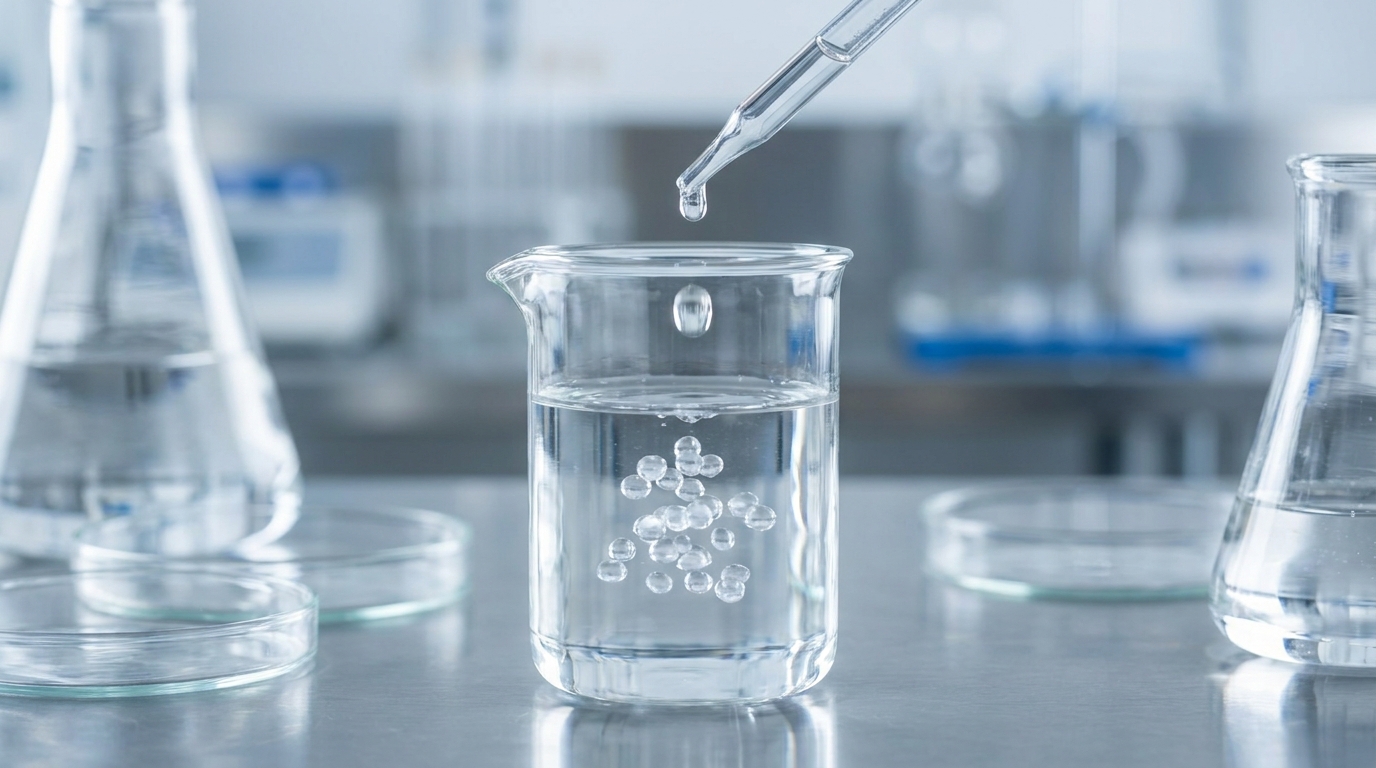
Most gelling agents require boiling temperatures. This natural extract operates differently. It features a unique cold-set gelation process. The solution forms a heat-stable gel instantly upon contact with calcium ions. You can use different calcium salts depending on your goal. Calcium chloride offers a cheap, fast reaction. It works perfectly for industrial uses or direct spherification baths. However, it can leave a bitter metallic taste. Calcium lactate gluconate provides a flavorless alternative. Chefs prefer it for reverse spherification where the calcium sits inside the food.
Thickening and Stabilizing Power
Manufacturers rely heavily on its physical characteristics. It acts as an incredible thickener, stabilizer, and film-forming agent. You do not need large amounts to see results. A standard thickening ratio requires only 0.1% to 0.5% by weight. Spherification typically uses 0.5% to 1%. It prevents ice crystals from forming in ice cream. It also binds restructured meats and clarifies beverages. SOHO Honry Chemical provides various viscosity grades. We measure these in mPa·s or cP. This variety helps you find the exact texture your product needs.
pH and Temperature Resistance
Environmental conditions heavily influence how this ingredient performs. It shows remarkable adaptability for manufacturing. The gel remains stable across a wide pH range. It works best between pH 4.0 and 10.0.
What happens in highly acidic liquids like lemon juice? The gelling process will fail completely. Below pH 3.7, the compound precipitates as alginic acid. It loses its solubility and cannot form a proper gel. Unlike gelatin, the resulting gel is heat-stable. It will not melt when you heat it. This makes it perfect for baking or hot savory dishes.
| Property | Behavior & Characteristics |
|---|---|
| Solubility | Soluble in cold and hot water; insoluble in alcohol. |
| Gelling Trigger | Calcium ions (cold-set gelation process). |
| Usage Ratio | 0.1% – 0.5% for thickening; 0.5% – 1% for gelling. |
| pH Stability | Stable between 4.0 and 10.0; fails below 3.7. |
| Thermal Stability | Forms a heat-stable gel. Will not melt upon heating. |
What is Sodium Alginate Used For in the Food and Beverage Industry?
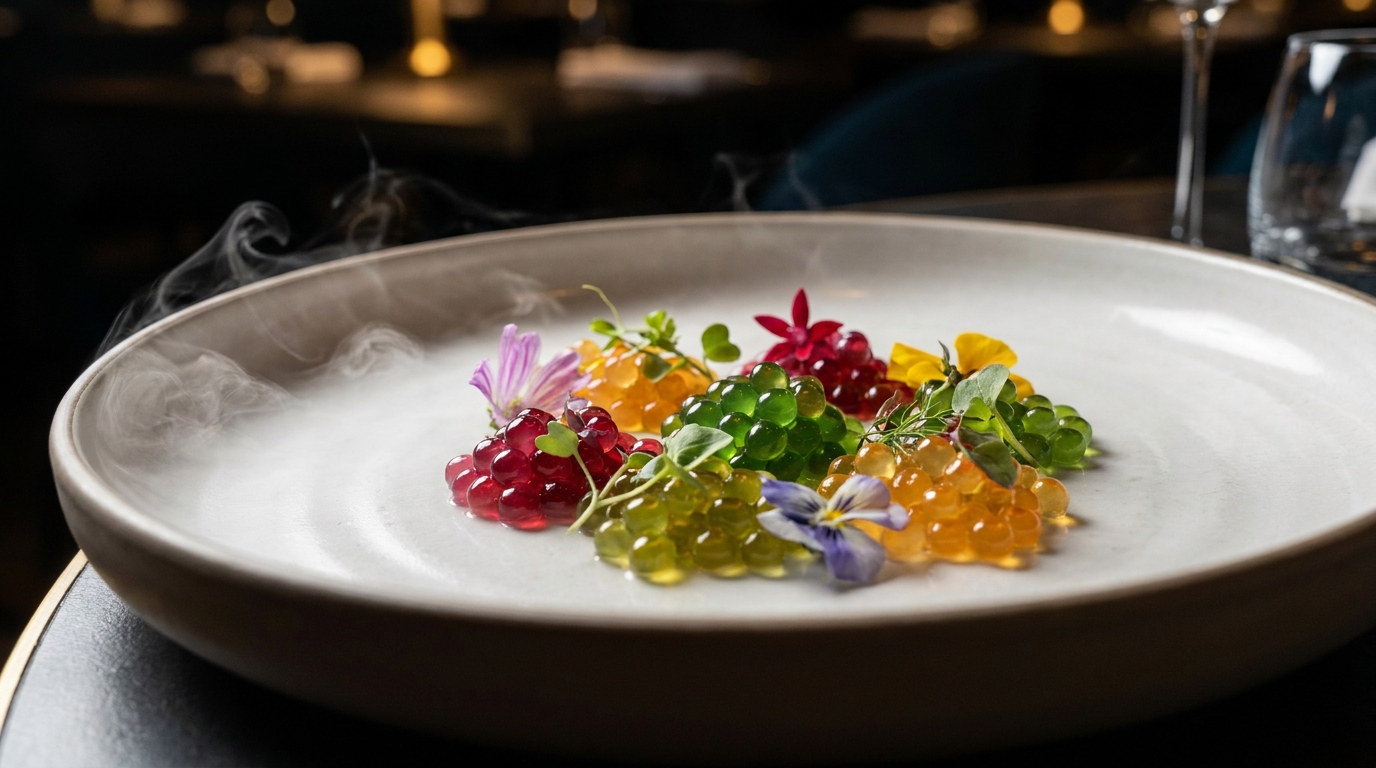
We just explored how this ingredient withstands heat and forms instant cold gels. These physical traits make it incredibly versatile. So, what is sodium alginate and what is it used for in our daily meals? Food manufacturers rely on it heavily. It improves texture, retains moisture, and extends shelf life. You will find it in everything from gourmet dishes to everyday grocery items.
Molecular Gastronomy and Spherification
Modern chefs love to play with food textures. They use a famous technique called spherification. As we covered earlier, dropping an alginate solution into a calcium bath triggers an instant reaction. This process creates small, caviar-like spheres. When you bite into them, the liquid center bursts. It offers a unique sensory experience. You will often see this technique in high-end dining and creative cocktails.
Enhancing Bakery and Dairy Products
Dairy products benefit greatly from this natural thickener. Ice cream often suffers from crunchy ice crystals during freezing. This seaweed extract prevents those crystals from forming. It keeps your ice cream perfectly smooth. It also thickens yogurts to give them a rich, creamy mouthfeel.
The confectionery world uses it just as much. Manufacturers rely on SOHO Honry Chemical to supply high-quality ingredients for sweet treats. Our solutions help improve the texture of table sugar products and gummy candies. Because the gel is heat-stable, these candies hold their shape perfectly. They will not melt easily in warm environments.
Stabilizing Sauces and Dressings
Have you ever noticed how some salad dressings separate into oil and water? Food scientists use this ingredient to solve that exact problem. It acts as a powerful stabilizer in sauces and dressings. It traps the water and oil molecules together. This keeps your favorite condiments smooth. It ensures they look visually appealing on the shelf. We actively support leading companies in producing stable, high-quality commercial sauces.
Binding Meat and Vegan Alternatives
The meat industry uses this binder in very clever ways. It works perfectly for restructured meat products. It holds pieces of chicken nuggets or deli slices together. It does this without altering the natural flavor.
Plant-based diets are also growing fast. Vegan meat alternatives need a way to mimic the bite and chew of real meat. This natural extract provides that essential structure. It creates a satisfying, meat-like texture in plant-based burgers and sausages.
| Application Area | Primary Function | Common Food Examples |
|---|---|---|
| Molecular Gastronomy | Cold-set gelling | Flavor pearls, liquid-center caviar |
| Dairy & Sweets | Stabilizing and thickening | Ice cream, yogurt, gummy candies, table sugar |
| Sauces & Dressings | Emulsifying and suspending | Salad dressings, commercial sauces |
| Meat & Vegan | Binding and structuring | Restructured meats, plant-based burgers |
Beyond Food: Industrial and Pharmaceutical Sodium Alginate Uses
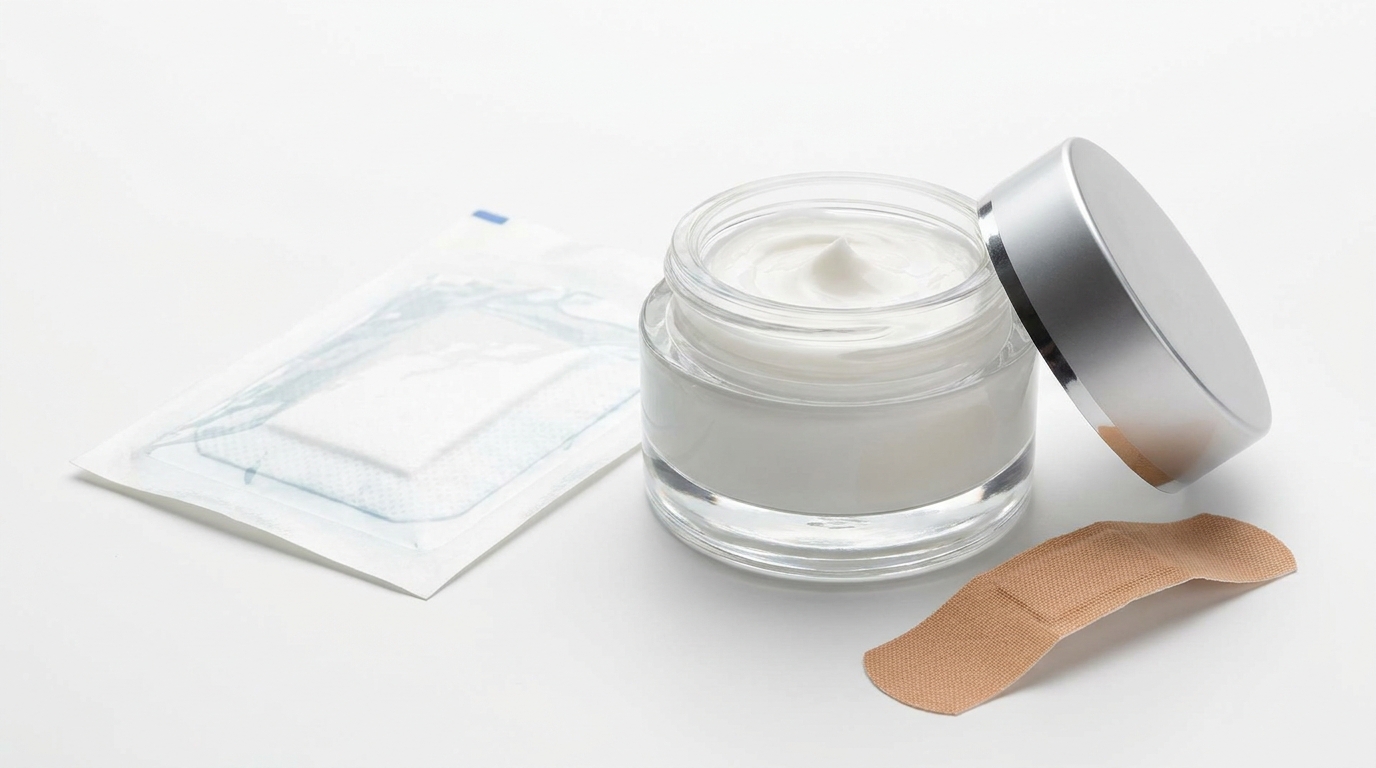
We just saw how this natural extract shapes our favorite meals. It improves everything from plant-based burgers to creamy ice cream. But what is sodium alginate and what is it used for outside the kitchen? Its unique ability to hold moisture extends far beyond food. Manufacturers rely on it to create safe medicines and cosmetics. Let us explore these incredible industrial applications.
Pharmaceutical Ingredients and Medical Care
Doctors and pharmacists value this seaweed extract highly. It plays a critical role in treating acid reflux. When you swallow specific antacids, the alginate reacts to stomach acid. It forms a protective foam raft on top of stomach contents. This physical barrier prevents heartburn instantly.
It also helps heal severe injuries. Medical suppliers use it to make advanced wound dressings. These dressings absorb fluids from burns and high-exudate sores. They keep the injured area moist to promote much faster healing.
At SOHO Honry Chemical, we supply high-purity ingredients for medical needs. We support leading companies in developing safe pharmaceutical injection formulas. Our strict standards ensure reliable pill coatings perform perfectly every single time.
Personal Care and Cosmetics
You likely apply this ingredient to your skin every day. The cosmetic industry uses it as a natural thickener. It helps lotions and creams glide on smoothly. It also acts as a powerful moisture-retainer. Face masks rely on this property to hydrate your skin deeply.
We also support manufacturers by supplying ingredients for cosmetic pigments. The gel stabilizes these pigments perfectly. It ensures your makeup colors remain vibrant and consistent. They will not separate inside the tube.
Animal Nutrition and Feed
Animals benefit from this natural ingredient too. Farmers and pet food brands use it as a strong binder. It holds feed pellets and wet food together. This prevents the feed from crumbling during transport. It ensures livestock and pets receive stable, easily digestible nutrients. Our technical team actively develops solutions for the feed industry to keep animals healthy.
Textile Printing and Industrial Uses
These applications stretch into heavy industry as well. Textile manufacturers have used it for decades. They rely on it as a paste thickener for fabrics. Factories need reactive dyes to stay exactly where applied.
Unlike starch, this seaweed extract avoids reacting to dyes. It holds the color in place perfectly during cotton printing. Once the ink sets, factory workers wash the alginate out easily. This leaves behind bright, sharp clothing patterns.
| Industry | Core Function | Common Applications |
|---|---|---|
| Pharmaceuticals | Barrier creation and healing | Antacid rafts, wound dressings, pill coatings, injection formulas |
| Cosmetics | Thickening and hydration | Lotions, face masks, creams, cosmetic pigments |
| Animal Nutrition | Binding and structuring | Pet food, livestock feed pellets |
| Textiles | Dye suspension | Cotton screen printing, reactive dye paste |
How to Choose a Reliable Supplier for Sodium Alginate
We just explored how this versatile extract supports everything from heavy textiles to delicate medical dressings. When people ask, what is sodium alginate and what is it used for, they often overlook the supply chain behind it. Sourcing it correctly matters immensely. You must partner with the right manufacturer to guarantee safety and performance.
The Importance of Strict Quality Control
Quality control becomes your top priority when sourcing ingredients for human or animal consumption. You need absolute purity and consistency. Any contamination can ruin a production run. It can also pose serious health risks. Manufacturers must ensure their facilities maintain strict hygiene. This attention to detail guarantees safe sodium alginate uses across all applications.
Essential Manufacturing Certifications
How do you verify a supplier’s quality? You check their official paperwork and audits. A reliable factory maintains globally recognized certifications. Look for partners holding FSSC, BRC, ISO, and GMP credentials. These documents prove they follow strict manufacturing practices. You should also demand specific product guarantees. Ensure the powder is HALAL, KOSHER, NON-GMO, and ALLERGEN FREE. These certifications help you meet diverse consumer needs easily.
R&D and Technical Support
Great suppliers do more than just ship powder. They offer deep technical support backed by active research. SOHO Honry Chemical provides a perfect example of this. Established in 1994, we operate a massive 45,000㎡ factory. It houses 10 advanced production lines across two production bases. We employ 600 dedicated staff members.
Our R&D capabilities truly set us apart. We employ over 25 technicians led by two PhDs. They collaborate closely with top Chinese universities. These include Nanjing Agricultural University and China Pharmaceutical University. This expert team tests every batch against strict standards. We provide testing reports against Eurofin and SGS requirements. We ensure you get exactly what you need.
Ensuring Supply Chain Stability
Even the best ingredient fails if it arrives late. A robust supply chain ensures you receive materials on time. It keeps your production lines moving without costly delays. We continuously offer competitive, safe, and healthy product solutions. We support customers worldwide through dedicated service. A stable supplier absorbs unexpected market shocks. They protect your business from sudden inventory shortages.
| Supplier Criteria | What to Look For | Why It Matters |
|---|---|---|
| Quality Control | High purity and consistency | Ensures safety for human and animal consumption. |
| Certifications | FSSC, BRC, ISO, GMP, HALAL, KOSHER | Proves adherence to global manufacturing standards. |
| R&D Support | Advanced testing (Eurofin, SGS), expert technicians | Guarantees product performance and formula innovation. |
| Supply Chain | Multiple production bases, reliable logistics | Prevents costly production delays and inventory shortages. |
Conclusion
Sodium alginate is a highly versatile ingredient. Extracted from seaweed, it transforms molecular gastronomy and life-saving pharmaceutical applications globally. Sustainable marine ingredients will shape future manufacturing. Elevate your product formulations by partnering with our certified experts today.
- Audit your current recipes for texture improvements.
- Order a free testing sample from our factory.
- Contact our technical team for custom advice.
Frequently Asked Questions About Sodium Alginate
Why does sodium alginate clump when mixed with water?
Sodium alginate often clumps when you add it to liquids. This happens because the outside hydrates instantly. The dry powder gets trapped inside a sticky gel layer. To fix this, use a blender. Add the powder slowly while the blender runs. This creates a vortex for smooth mixing. You can also mix it with sugar first. This helps separate the grains before they touch water.
Can I use sodium alginate in highly acidic liquids?
Sodium alginate is very sensitive to pH levels. It remains stable between pH 4.0 and 10.0. If the liquid is too acidic, it will not gel. Below pH 3.7, the powder turns into alginic acid. This stops the gelling process completely. You cannot use it directly in lemon juice. You must add a buffer to lower the acidity first. This ensures your mixture forms a proper gel.
Is sodium alginate safe for different dietary needs?
Yes, it is a natural ingredient extracted from brown seaweed. This makes it completely safe and plant-based. It is perfect for vegan and vegetarian diets. SOHO Honry Chemical produces high-quality sodium alginate. Our products hold NON-GMO, HALAL, and KOSHER certifications. They are also allergen-free and meet strict global standards. You can use them safely in diverse food products.
What is the difference between direct and reverse spherification?
Direct spherification drops alginate liquid into a calcium bath. This creates a very thin skin around the liquid. You must serve it immediately before it gels completely. Reverse spherification puts calcium in the flavored liquid. You drop this mixture into an alginate bath instead. This method creates a thicker skin. You can store these spheres because the gelling process stops.
Why did my liquid turn into a gel prematurely?
This usually happens when you use hard tap water. Hard water contains hidden calcium ions. Sodium alginate reacts instantly with these polyvalent cations. The reaction forms a heat-stable gel right away. You should always use distilled water for your base. This prevents the alginate from thickening before you want it to. It keeps your mixture perfectly smooth.
- Test your tap water for calcium before starting.
- Blend the powder with sugar to prevent clumps.
- Choose calcium lactate gluconate for flavorless reverse spherification.
- Let your mixture rest to remove trapped air bubbles.
Sodium alginate is a versatile natural thickener from brown seaweed. It forms stable gels when mixed with calcium. Chefs use it for spherification and thickening sauces. The medical and industrial fields also rely on its unique properties. SOHO Honry Chemical provides certified alginate for diverse global needs. Proper mixing and pH control ensure the best results.
