 Skip to content

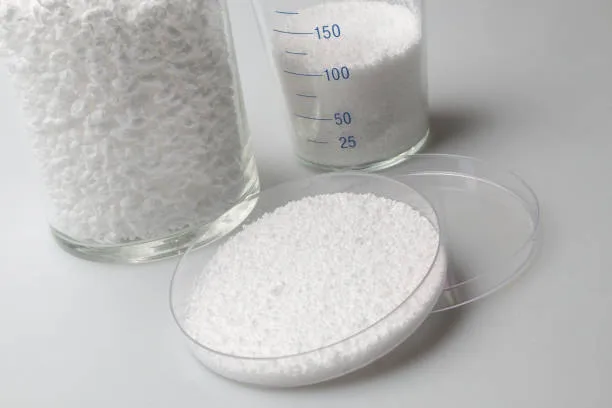
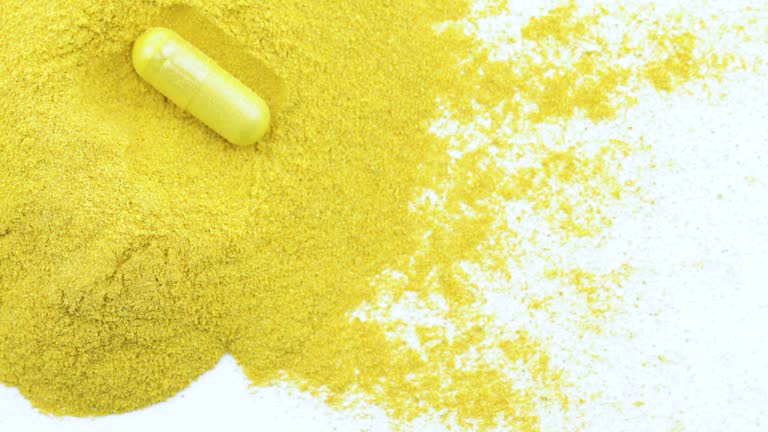
The market for creatine monohydrate powder is expanding beyond athletes to seniors and professionals. However, sourcing high-quality bulk material is risky. Poor ingredients can ruin your brand’s reputation. This guide covers critical technical specs, rigorous testing standards, and warning signs when vetting global suppliers.
Critical Technical Specifications for Bulk Creatine Monohydrate
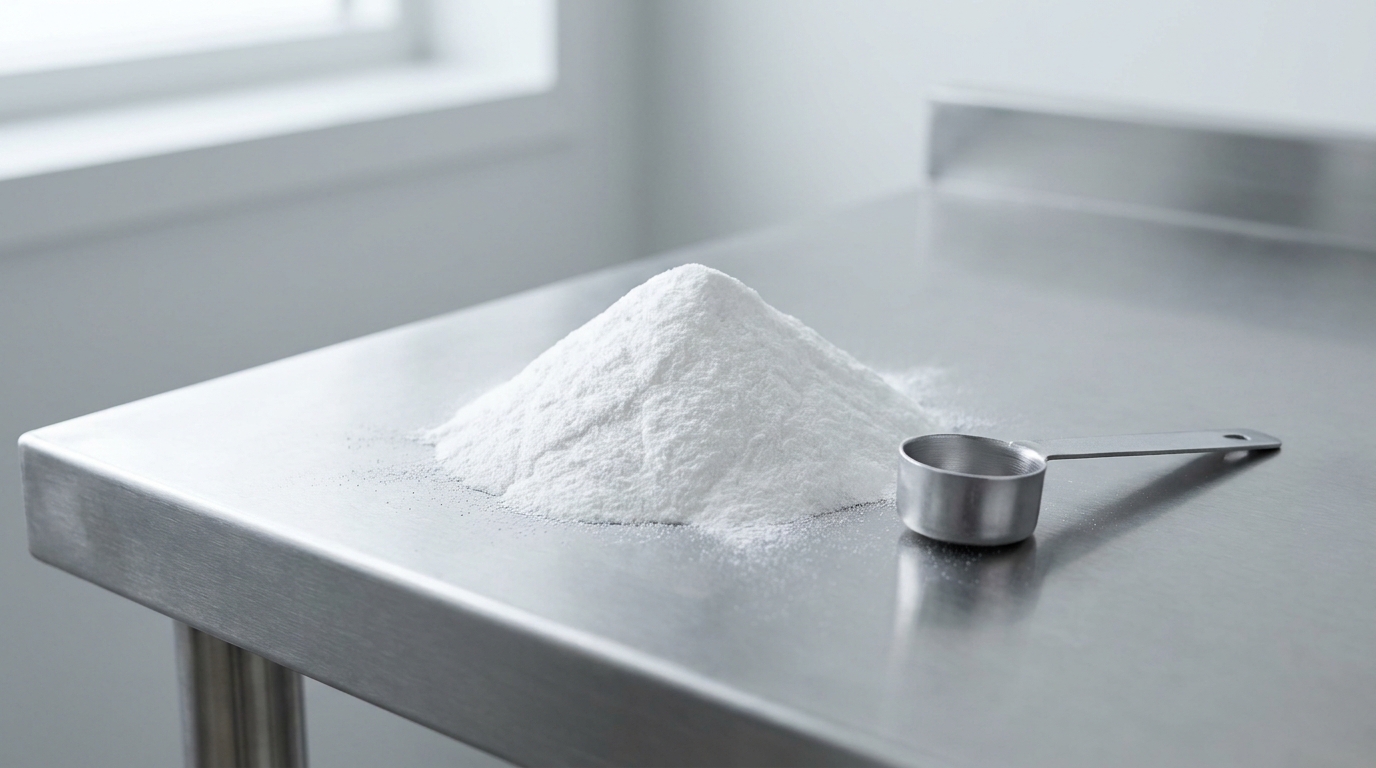
When evaluating suppliers for creatine monohydrate powder, technical specifications dictate product performance. You must verify purity, mesh size, and pH levels before purchasing.
Purity and Active Content
Ultra-pure bulk creatine must exceed 99% active content to ensure maximum efficacy for end-users. Buffered or hydrogel variants typically measure around 97% purity because these specialized formulas include necessary buffer carriers.
Particle Size and Micronization
Standard powders often suffer from poor solubility, creating a gritty mouthfeel that consumers dislike. Precision micronization effectively solves this problem. High-quality micronized creatine targets a 200 to 300 mesh size. This fine particle size drastically increases the raw material’s surface area, improving liquid solubility and eliminating gritty textures. Finer mesh sizes also prevent structural issues in chewables and gummies.
Formulation pH Parameters
Formulation pH levels must match your specific delivery format. Standard pure creatine maintains a neutral pH of 7, working perfectly for traditional repacked powders and sensitive clinical formulas. However, advanced formulations require specialized pH ranges:
- Alkaline-buffered variants: Ranging from pH 9 to 11, these are best suited for ready-to-drink and instant beverages.
- Gummy-grade variants: Targeting pH 7 to 9, these omit alkaline magnesium to protect the gummy’s structural setting.
SOHO Honry Chemical provides ingredients meeting strict Eurofin and SGS testing standards. Our facilities hold FSSC, BRC, ISO, and GMP certifications, guaranteeing our bulk materials consistently meet these exact specifications.
| Creatine Variant | Target Purity | Mesh Size | pH Level |
|---|---|---|---|
| Standard Ultra-Pure | >99% | 200–300 | 7.0 (Neutral) |
| Hydrogel-Buffered | >97% | 200–300 | 9.0–11.0 |
| Gummy-Grade | >99% | 200–300 | 7.0–9.0 |
Formulating with Food Grade Creatine: Matching Specs to Delivery Formats
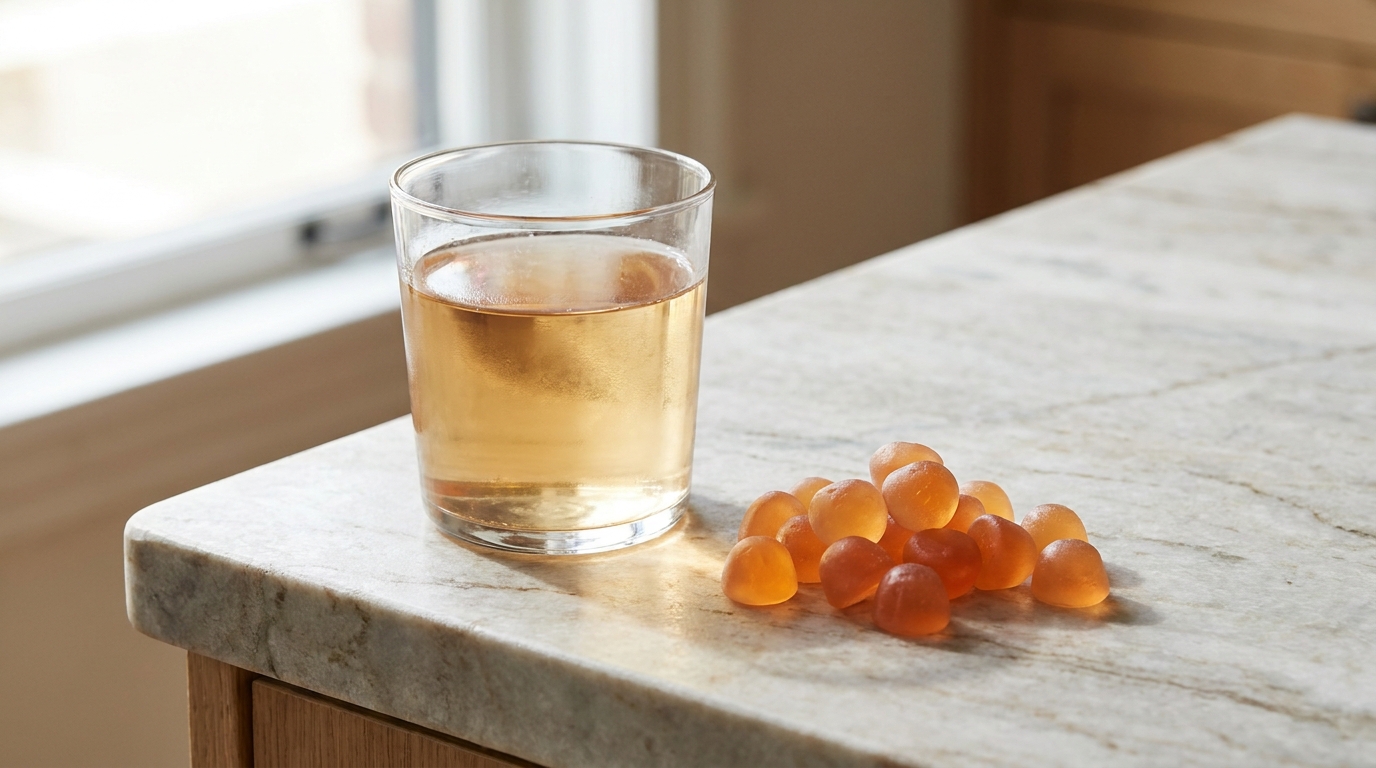
Matching technical parameters to your intended delivery format prevents expensive manufacturing failures.
Repacked Powders and Clinical Blends
Traditional supplement tubs and clinical blends require standard ultra-pure creatine. This format demands greater than 99% purity and a neutral pH. Trace-sensitive clinical formulations rely heavily on this clean profile to ensure reliable dosing and meet strict consumer expectations for unflavored powders.
Ready-to-Drink (RTD) and Instant Beverages
Liquid applications face unique formulation challenges. Standard creatine often degrades rapidly into ineffective creatinine when exposed to acidic environments. RTDs and instant beverages require hydrogel-buffered or highly soluble formats. These specialized variants resist acid degradation effectively and dissolve rapidly without leaving a gritty residue.
Gummies and Confectionery
Adding standard creatine to confectionery supplements can easily ruin a gummy’s texture and compromise its structural setting. Formulators must select specific food grade creatine for these applications.
This gummy-grade variant targets a pH of 7 to 9 and safely omits alkaline magnesium to protect the structural base. SOHO Honry Chemical actively supports manufacturers in the gummy candy sector, with a dedicated technical team helping brands integrate these specialized ingredients flawlessly into complex food matrices.
Rigorous Testing Protocols: Ensuring Purity and Safety
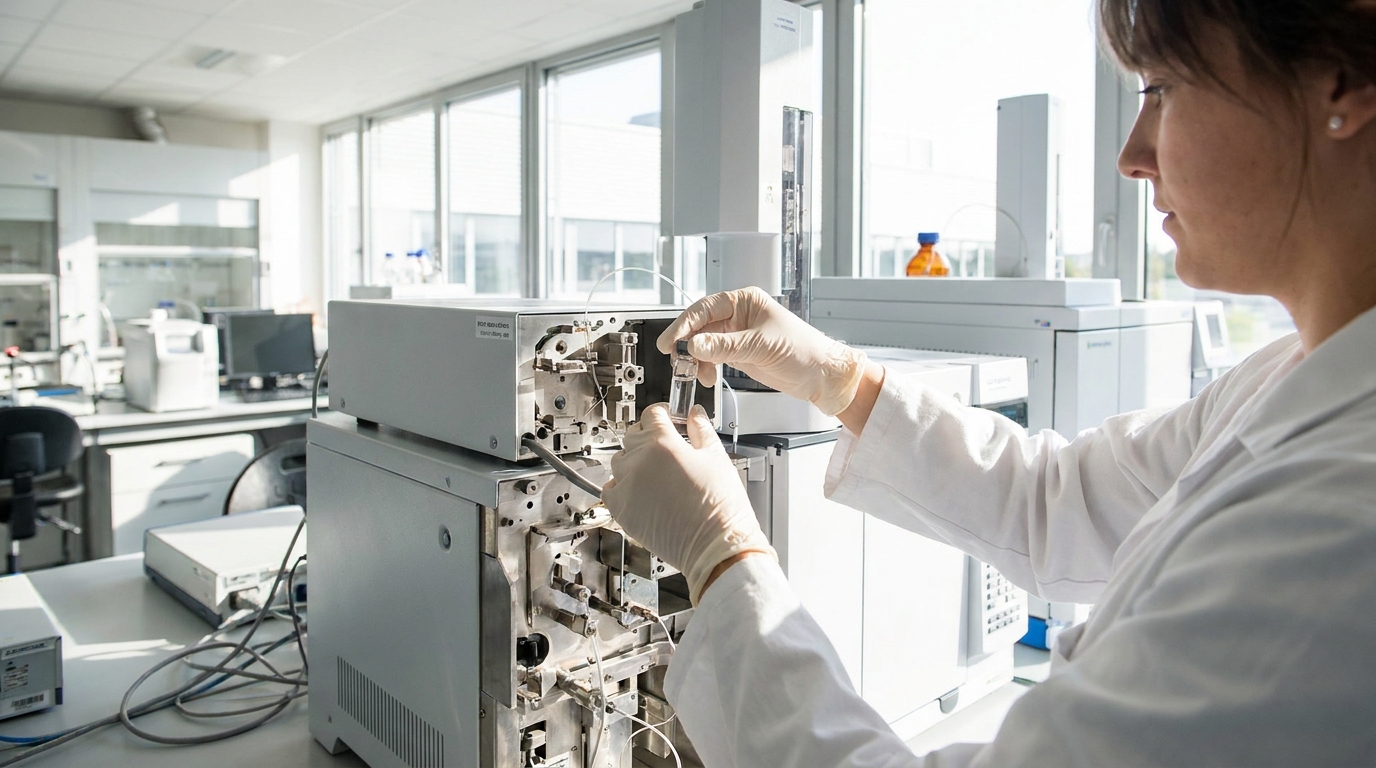
Verifying specifications through rigorous testing is essential to ensure product safety and efficacy.
Validating Active Content
High-Performance Liquid Chromatography (HPLC test) accurately measures exact creatine concentrations and detects potential material degradation. Because creatine can break down into ineffective creatinine in acidic environments, HPLC analysis catches this degradation before the product reaches consumers.
Controlling Manufacturing By-products
Manufacturing processes can leave behind harmful chemical by-products. You must enforce strict trace-level control, specifically requiring non-detectable (ND) limits for Dicyandiamide (DCD) and Dihydrotriazine (DHT). Failing to control these levels risks regulatory non-compliance. High-quality suppliers actively screen for these remnants to ensure global market safety.
Third-Party Verification Standards
Independent verification provides unbiased proof of quality. Reliable batch testing must align with internationally recognized scientific standards. SOHO Honry Chemical utilizes advanced equipment to meet strict Eurofin and SGS requirements.
Our R&D team includes over 25 technicians led by two PhDs. We partner with top institutions like China Pharmaceutical University to guarantee batch safety and undergo annual third-party audits to maintain total transparency. This ensures your bulk material remains consistently pure and compliant.
Spotting Supplier Red Flags in the Global Supply Chain
Identifying supplier red flags early protects your supply chain. You must vet potential partners against strict operational standards.
Missing Quality Certifications
Missing facility certifications are a major warning sign. Look for FDA registration, GMP compliance, and ISO standards, alongside food safety systems like FSSC and BRC. SOHO Honry Chemical operates facilities certified in FSSC, BRC, ISO, and GMP, and provides HALAL, KOSHER, and NON-GMO product certifications. If a supplier cannot produce these documents, find another partner.
High Impurity Profiles
Trace impurities like DCD and DHT require strict control. Unreliable suppliers often offer one-size-fits-all powders with high impurity profiles and ignore heavy metal limits. Always demand clear, non-detectable limits for manufacturing by-products.
Lack of Supply Chain Transparency
A trustworthy partner welcomes independent scrutiny. Be cautious if a supplier refuses annual third-party audits or delays verifying quality documents. SOHO Honry Chemical undergoes annual third-party audits and issues these independent reports directly to clients, ensuring consistent material quality and global compliance.
Inadequate R&D Support
Formulating sports nutrition products presents unique technical challenges, such as poor solubility, acid-induced degradation, or consumer GI distress during high-dose loading phases. Look for partners with dedicated technical teams. Our R&D department actively helps brands mitigate GI distress and overcome these complex formulation hurdles.
Partnering with a Qualified Global Ingredients Supplier
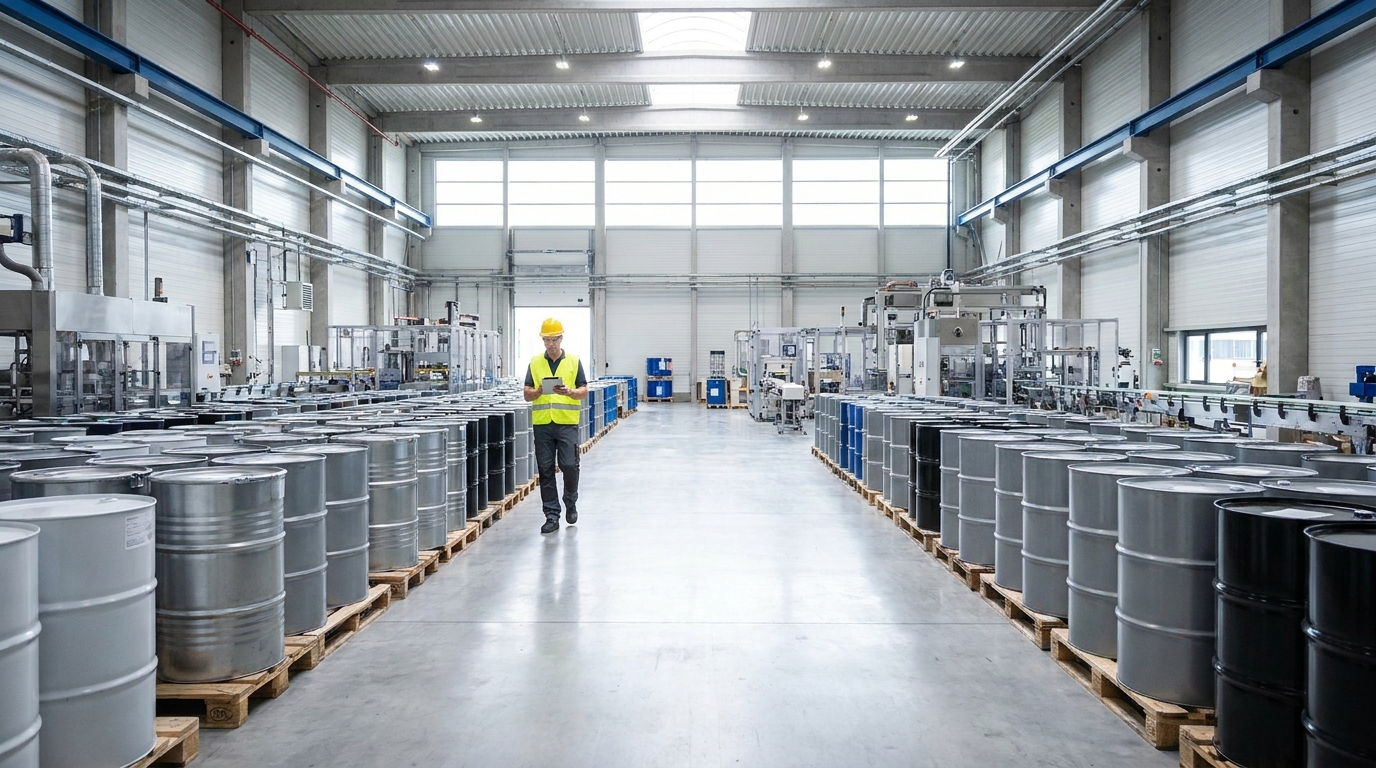
A qualified global supplier provides more than just raw materials; they offer comprehensive support for your entire manufacturing process.
Advanced R&D Infrastructure
Formulating gummies or ready-to-drink beverages presents unique solubility challenges. Look for suppliers backed by robust research and development teams. SOHO Honry Chemical employs over 25 technicians led by two PhDs and collaborates with top-tier institutions like Nanjing Agricultural University and China Pharmaceutical University to help you overcome formulation hurdles efficiently.
Comprehensive Facility Certifications
Ensure your supplier’s manufacturing bases are FDA registered, GMP certified, and hold internationally recognized food safety credentials. SOHO Honry Chemical maintains FSSC, BRC, and ISO certifications, validated through annual third-party audits to guarantee your bulk materials consistently meet strict safety requirements.
Product-Specific Qualifications
Raw materials must align with evolving market expectations for dietary compliance. Generic creatine monohydrate powder often lacks documentation for specialized markets. Our ingredients carry HALAL, KOSHER, NON-GMO, and ALLERGEN FREE certifications, allowing you to confidently expand into diverse consumer demographics.
Customized Ingredient Solutions
One-size-fits-all raw materials rarely perform well across different product lines. Whether you are developing clinical formulations or confectionery items, targeted technical support is vital. We continuously offer specialized ingredient solutions tailored to your specific application.
| Qualification Criteria | Generic Supplier Standard | Premium Global Partner Standard |
|---|---|---|
| R&D and Technical Support | Minimal or nonexistent technical assistance. | Dedicated technical teams and university partnerships. |
| Facility Certifications | Basic local permits or unverified claims. | FDA, GMP, FSSC, BRC, and ISO verified annually. |
| Dietary Compliance | Limited documentation available. | HALAL, KOSHER, NON-GMO, and ALLERGEN FREE certified. |
| Formulation Adaptability | Standardized powders with fixed specifications. | Customized ingredient solutions for specific delivery formats. |
Frequently Asked Questions About Bulk Creatine Monohydrate Sourcing
What is the ideal purity level for high-quality creatine monohydrate?
For standard ultra-pure bulk creatine, you should look for an active content of greater than 99%. This high concentration ensures maximum effectiveness for consumers. However, if you are sourcing hydrogel-buffered variants for liquid beverages, the purity is typically slightly lower, measuring around 97%. This small drop is normal because these specialized formulas require added buffer carriers to improve performance.
Why do some creatine powders feel gritty when mixed in liquids?
Gritty textures occur when the creatine powder has poor solubility and a large particle size. To solve this, high-quality manufacturers use precision micronization. The best micronized creatine is milled to a fine 200 to 300 mesh size. This drastically increases the ingredient’s surface area, allowing it to dissolve quickly and smoothly in liquids without leaving a gritty residue.
Can standard creatine powder be used to make gummy supplements?
Using standard creatine in gummies can ruin the product’s texture and structural setting. Instead, formulators must use a specific gummy-grade creatine variant. This specialized food-grade ingredient targets a pH level between 7 and 9 and safely omits alkaline magnesium. Choosing this correct variant allows manufacturers to blend the ingredient seamlessly into confectionery bases without compromising the gummy’s shape.
What hidden impurities should buyers watch out for in generic creatine?
Generic raw materials can contain harmful chemical by-products left over from cheap manufacturing processes. Buyers must demand strict trace-level control for two specific impurities: Dicyandiamide (DCD) and Dihydrotriazine (DHT). Reliable suppliers use advanced HPLC testing to ensure these chemicals remain at non-detectable limits, which protects your brand from regulatory non-compliance and consumer safety risks.
Which certifications prove a bulk creatine supplier is reliable?
A trustworthy global supplier must hold comprehensive facility and food safety credentials. You should require FDA registration, GMP compliance, ISO standards, FSSC, and BRC certifications. Premium suppliers like SOHO Honry Chemical also provide product-specific documents such as HALAL, KOSHER, NON-GMO, and ALLERGEN FREE certifications. Finally, a reliable partner will prove their transparency by sharing annual third-party audit reports.
Conclusion
Sourcing bulk creatine monohydrate requires strict attention to purity, mesh size, and pH levels. By demanding HPLC testing and strict impurity limits, you ensure a safe product. Always vet suppliers carefully to avoid quality risks and secure a stable supply.
To learn more about our manufacturing capabilities, quality certifications and global supply record, visit about us.
- Request HPLC test results to verify active content.
- Verify facility certifications like FDA, GMP, and ISO.
- Contact SOHO Honry Chemical for certified ingredient solutions.
