
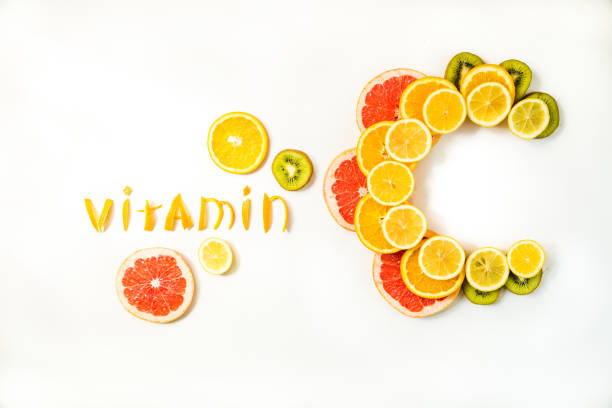


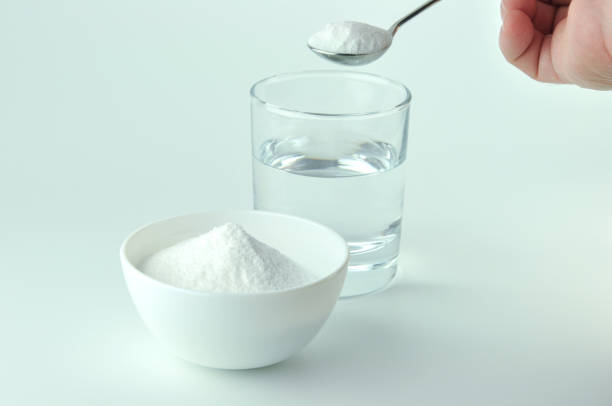
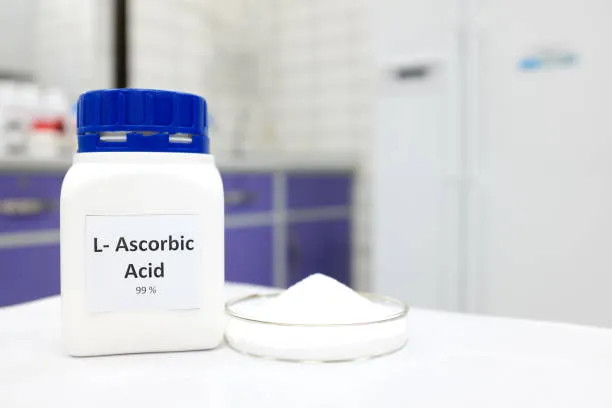
Ascorbic Acid is a high-purity, crystalline form of Vitamin C with an assay range of 99.0%–100.5%. Because it dissolves in water, it can be used in beverage, food, and nutrition systems. Its acidic pH profile needs attention during formulation: the current page specifies a pH of 2.4–2.8 in a 2% water solution and 2.1–2.6 in a 5% water solution.
For formulation work, oxidation sensitivity is a key consideration when selecting materials. Copper must be controlled at ≤5 ppm and iron at ≤2 ppm, while residual solvents must pass testing. These checks help buyers assess purity and stability risks in applications sensitive to color or oxygen. Before production and labeling, the final COA should confirm the required grade, particle form, and destination-market standard.