
Hydrokoloidy are hydrophilic biopolymers — primarily polysaccharides and some proteins — that interact with water to form viscous solutions, gels, emulsions and stabilising networks.
According to research published in Food Hydrocolloids, Food Chemistry and Foods, hydrocolloids are widely used in food science, the pharmaceutical industry, the cosmetics industry, biotechnology, and industrial manufacturing, as they control the texture, viscosity, moisture retention, stability, and rheological behaviour of complex systems. Further modern hydrocolloid studies demonstrate that their functionality depends on molecular structure, water-binding capacity, ionic interactions, and polymer network formation.
Understanding Hydrocolloids and Why They Matter in Modern Industry
Hydrocolloids are a broad category of water-loving polymeric substances that can disperse, swell, thicken, stabilise or gel in aqueous systems. Many consumers encounter hydrocolloids daily without realising it, yet these materials are fundamental to modern food engineering, pharmaceutical formulation, biotechnology, cosmetics, industrial processing, and advanced materials science.
Hydrocolloids are especially important because they can dramatically alter the physical behaviour of liquids, even at extremely low concentrations. In many applications, adding less than 1% hydrocolloid can transform a thin liquid into a thick sauce, a stable emulsion, a gel, a foam stabiliser, a suspension system, or a moisture-retention matrix. This extraordinary functionality is why hydrocolloids have become indispensable in industrial formulation science.
Historically, hydrocolloids originated primarily from natural sources, such as plants, seaweed, microbial fermentation, and animal proteins. However, modern industrial chemistry has expanded hydrocolloid production to include modified starches, semisynthetic celluloses, engineered biopolymers, and advanced functional polysaccharides.
According to food science literature, hydrocolloids are typically high-molecular-weight substances capable of interacting strongly with water due to abundant hydrophilic groups along their molecular chains.
These interactions allow hydrocolloids to:
- Increase viscosity
- Bind water
- Form gels
- Stabilise emulsions
- Prevent crystallisation
- Improve mouthfeel
- Modify texture
- Control flow properties
Modern industries increasingly rely on hydrocolloids because consumers now demand clean-label products, plant-based alternatives, improved texture, reduced-fat formulations, longer shelf life, and sustainable ingredients.
At the same time, advanced manufacturing sectors use hydrocolloids in:
- Drug delivery systems
- Tissue engineering
- Wound care
- 3D bioprinting
- Cosmetics stabilization
- Encapsulation technologies
As industrial formulation becomes more sophisticated, hydrocolloids are evolving from simple thickeners into multifunctional engineering materials.
What Are Hydrocolloids Made Of?
Most hydrocolloids are composed of long-chain polymers, primarily polysaccharides and proteins. These molecules have a strong affinity for water due to the presence of multiple hydrophilic functional groups, such as hydroxyl groups.
Hydrocolloids can be sourced from a variety of biological and industrial materials.
Below is a classification table of common hydrocolloid sources:
| Source Category | Examples |
| PlantBased | Guar gum, pectin, starch |
| SeaweedBased | Agar, carrageenan, alginate |
| Microbial | Xanthan gum, gellan gum |
| AnimalBased | Gelatin, chitosan |
| SemiSynthetic | Carboxymethyl cellulose |
| Synthetic | Certain engineered polymers |
According to recent reviews of hydrocolloids, these materials are generally classified as hydrophilic macromolecules due to their strong absorption and interaction with water molecules.
Plant-Derived Hydrocolloids
Plant hydrocolloids are among the most commercially important.
Examples include guar gum, locust bean gum, pectin, and starch derivatives, which are widely used in bakery products, dairy systems, beverages, sauces, and processed foods.
Seaweed hydrocolloids
Marine hydrocolloids are extracted from algae and seaweed.
Important examples include agar, carrageenan, and alginate, which are highly valued for their gel-forming behaviour.
Microbial hydrocolloids
Certain bacteria naturally produce extracellular polysaccharides.
Examples include xanthan gum and gellan gum, which often exhibit exceptional rheological stability.
Proteinbased hydrocolloids
Some proteins also function as hydrocolloids.
Gelatin is one of the most common examples.
Protein hydrocolloids provide gel formation, foam stabilisation and emulsification.
The diversity of hydrocolloid chemistry explains their extraordinary versatility across industries.
How Hydrocolloids Work: The Core Scientific Principle
The functionality of hydrocolloids is fundamentally based on their interaction with water.
When hydrocolloids are dispersed in water, the following mechanisms may occur simultaneously: hydration, swelling, viscosity increase, polymer entanglement, gel network formation, molecular interaction, and electrostatic stabilisation.
The exact behaviour depends on the following factors:
- Molecular structure
- Stężenie
- Temperature
- pH
- Ionic strength
- Processing conditions
Step 1: Water absorption
Hydrocolloid molecules contain hydrophilic regions that attract water molecules.
Once introduced into water, the polymer chains begin to absorb water and expand.
This hydration process significantly increases molecular volume.
Step 2: Polymer expansion
As water penetrates the molecular structure, the polymer chains unfold and extend.
The expanded chains occupy a greater volume within the liquid system.
This creates increased resistance to flow.
Step 3: Viscosity Development
The enlarged polymer structures interfere with fluid movement.
Consequently, viscosity increases, flow slows, and texture thickens. Even very low hydrocolloid concentrations can produce dramatic rheological changes.
Step 4: Network Formation
At sufficient concentration or under appropriate conditions, the polymer chains begin to interact with each other.
These interactions may involve hydrogen bonding, ionic interactions, entanglement, or crosslinking, and eventually create three-dimensional gel networks.
According to the literature on hydrocolloid research, these gel networks are responsible for many texture and stabilisation functions in industrial systems.
The Main Functional Properties of Hydrocolloids
Hydrocolloids are valuable because they perform multiple functions simultaneously.
- Thickening: Many hydrocolloids dramatically increase the viscosity of liquids.
This property is essential for:
- Soups
- Sauces
- Dressings
- Napoje
- Gelling
Certain hydrocolloids form elastic or rigid gels.
Examples include agar, gelatin, gellan gum, and carrageenan, which are used to make gummy candies, jelly desserts, and gel pharmaceuticals.
- Stabilisation
Hydrocolloids stabilise emulsions and suspensions.
They help prevent phase separation, sedimentation, and creaming.
- Water retention
Hydrocolloids bind water effectively.
This improves shelf life, moisture retention, and texture stability.
- Foam stabilisation
Some hydrocolloids stabilise air bubbles in foams.
Applications include whipped toppings, desserts, and specialty beverages.
- Fat replacement: hydrocolloids can mimic a creamy texture while reducing the fat content.
This is especially important in low-calorie foods.
Below is a functionality table:
| Hydrocolloid Function | Industrial Benefit |
| Thickening | Improved texture |
| Gelling | Structure formation |
| Stabilization | Prevents separation |
| Water Binding | Moisture retention |
| Emulsification | Stable mixtures |
| Fat Replacement | Reduced calories |
| Film Formation | Surface protection |
These multifunctional properties explain why hydrocolloids are among the most widely used functional ingredients globally.
Common Types of Hydrocolloids and Their Applications
The behaviour of different hydrocolloids depends on their molecular structure.
Xanthan gum is produced by microbial fermentation.
Main features:
- High viscosity at low concentrations
- Excellent stability
- Shearthinning behaviour
Used in:
- Salad dressings
- Sauces
- Gluten-free baking
- Karagen
Derived from red seaweed.
Functions: gelling, stabilisation, dairy interaction.
Used in: dairy products, processed meats, desserts.
Agar
Extracted from algae.
It is known for its strong gel formation and high melting stability. It is used in microbiological media, confectionery, and vegan gels.
Pectin is found naturally in fruits.
Heavily used in:
- Jams
- Fruit fillings
- Jelly products
Guar gum
Derived from guar beans.
Known for: strong thickening and water binding.
Used in: bakery products, ice cream, and sauces.
Gelatin: an animal-derived protein hydrocolloid.
It provides elastic gels, smooth texture, and melting-in-the-mouth behaviour.
Used in candies, capsules, and desserts.
Below is a comparison table:
| Hydrocolloid | Main Source | Main Function |
| Guma ksantanowa | Microbial | Thickening |
| Agar | Seaweed | Strong gelling |
| Karagen | Seaweed | Stabilizing |
| Pectin | Owoce | Gel formation |
| Guar Gum | Plant seed | Thickening |
| Gelatin | Animal protein | Elastic gels |
Hydrocolloids in the Food Industry
The food industry is the largest global user of hydrocolloids.
Hydrocolloids are essential because they control texture, mouthfeel, shelf stability, freeze-thaw behaviour, and sensory quality.
According to scientific reviews, hydrocolloids are used extensively in dairy products, bakery items, confectionery, frozen foods, beverages, meat systems, sauces, and plant-based foods.
Bakery applications
Hydrocolloids improve dough stability, moisture retention, softness, and shelf life, which is especially important in gluten-free products.
In dairy applications, hydrocolloids stabilise proteins, improve creaminess and prevent separation.
Frozen foods
Hydrocolloids reduce ice crystal growth.
This improves texture and freeze-thaw stability.
Plant-based foods
Hydrocolloids are increasingly important in vegan foods because they replicate the texture normally provided by animal proteins or fats.
The modern plant-based meat and dairy industries rely heavily on hydrocolloid engineering.
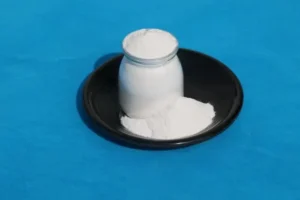
Hydrocolloids Beyond Food: Pharmaceutical, Cosmetic, and Industrial Uses
Although food applications dominate public awareness, hydrocolloids also play a major role in areas outside of food manufacturing.
In the pharmaceutical industry, hydrocolloids are widely used for controlled drug release, capsule production, wound dressings, and suspension stabilisation. Hydrocolloid wound dressings are especially important because they maintain moist healing environments.
In the cosmetics industry, cosmetic formulations use hydrocolloids for cream stabilisation, texture enhancement, and moisture retention.
In biotechnology, advanced hydrocolloids are used for tissue scaffolds, bioinks, and cell encapsulation.
In industrial manufacturing, industrial uses include coatings, adhesives, drilling fluids, and paper production.
The broad adaptability of hydrocolloids makes them valuable across highly diverse sectors.
Factors That Affect Hydrocolloid Performance
The functionality of hydrocolloids is highly sensitive to environmental conditions.
Temperature: heating can improve hydration, trigger gelation, and reduce viscosity, depending on the type of hydrocolloid.
pH: acidic or alkaline environments can strongly affect polymer behaviour.
Salt and ionic strength: certain ions can enhance gel formation.
For example, calcium strengthens alginate gels and potassium affects carrageenan behaviour.
Concentration: Small concentration changes may dramatically alter rheology.
Shear force: mixing intensity affects dispersion, hydration, and bubble formation.
Food science professionals frequently discuss practical processing issues, such as hydrocolloid aeration and dispersion challenges during formulation.
Understanding these variables is essential for industrial optimisation.
Modern Innovations and Future Trends in Hydrocolloid Science
Advances in hydrocolloid science are happening at a rapid pace.
Several major trends are shaping the future of the industry.
Clean label demand: consumers increasingly prefer natural hydrocolloids to synthetic additives.
Plant-based foods: alternative proteins require sophisticated hydrocolloid systems to mimic meat and dairy textures.
Functional nutrition: hydrocolloids are increasingly being used to support glycemic control, satiety enhancement, and fibre enrichment.
Smart delivery systems: researchers are developing hydrocolloid-based encapsulation technologies for nutrients, flavours and pharmaceuticals.
Sustainable materials: biodegradable hydrocolloid films and packaging are gaining attention as sustainable alternatives to petroleum plastics.
According to recent hydrocolloid research, future development will focus heavily on multifunctional biopolymer systems with improved nutritional and environmental performance.
FAQ About Hydrocolloids
- What are hydrocolloids used for?
Hydrocolloids are used for thickening, gelling, stabilizing, emulsifying, moisture retention, and texture modification in food, pharmaceuticals, cosmetics, and industrial products.
- Are hydrocolloids natural?
Many hydrocolloids are naturally derived from plants, seaweed, microbes, or animals, although some are modified or semisynthetic.
- How do hydrocolloids thicken liquids?
They absorb water, expand molecularly, and increase resistance to flow by forming hydrated polymer networks.
- What foods contain hydrocolloids?
Common foods include yogurt, ice cream, sauces, salad dressings, jams, bakery products, gummy candies, and plant-based meat alternatives.
- Are hydrocolloids safe to eat?
Most food-grade hydrocolloids approved by regulatory agencies are considered safe when used within recommended levels.
- What is the difference between a hydrocolloid and a gum?
Many gums are hydrocolloids, but hydrocolloids represent a broader category that also includes proteins and other water-interacting polymers.
Wnioski
Hydrocolloids are among the most important functional materials in modern food science and industrial formulation. They possess a remarkable ability to transform water-based systems through mechanisms such as thickening, gelling, stabilising, emulsifying, and water binding. They are effective due to the interaction between hydrophilic polymer chains and water molecules, enabling small concentrations to dramatically alter texture, rheology, and structural stability.
Hydrocolloids now play a critical role across numerous global industries, from bakery products and dairy systems to pharmaceuticals, cosmetics, biotechnology, and advanced material engineering. Their importance is growing as manufacturers pursue clean-label products, plant-based alternatives, improved texture systems, sustainable materials, and advanced functional formulations.
As hydrocolloid science evolves, future innovations are likely to focus on multifunctional biopolymers, nanostructured gels, sustainable hydrocolloid production and precision-controlled molecular interactions, further expanding their applications in food technology, medicine, biotechnology and industrial manufacturing.
