Skip to content



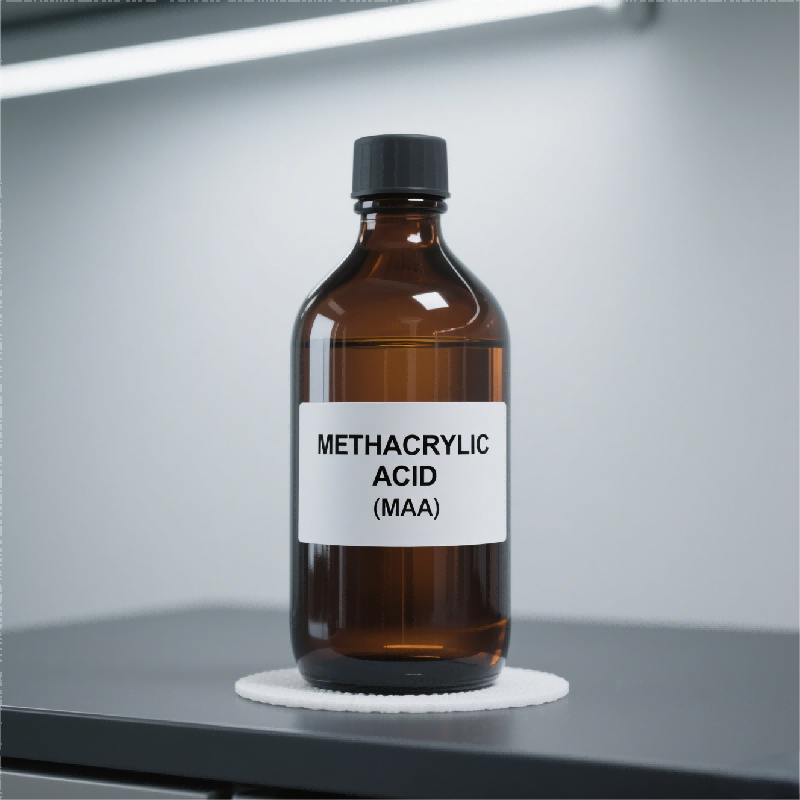
Methacrylic Acid (MAA), with the molecular formula C₄H₆O₂, is an organic compound characterized by a carboxyl group (-COOH) attached to a carbon-carbon double bond. This structure classifies it as an α,β-unsaturated carboxylic acid, enabling it to undergo various chemical reactions such as polymerization and esterification.
- CAS Number: 79-41-4
- Molecular Weight: 86.09 g/mol
- IUPAC Name: 2-Methylprop-2-enoic acid
- Synonyms: 2-Methylacrylic acid, α-Methacrylic acid, 2-Methyl-2-propenoic acid
Physical & Chemical Properties
- Appearance: Colorless to pale yellow liquid
- Boiling Point: 161°C
- Melting Point: 14–15°C
- Density: 1.015 g/cm³ at 20°C
- Flash Point: 67°C
- Solubility: Soluble in water and most organic solvents
- Vapor Pressure: 0.7 mmHg at 20°C
- Odor: Acrid, pungent
Applications
Methacrylic Acid serves as a versatile monomer and intermediate in various industrial applications:
-
Polymer Industry:
-
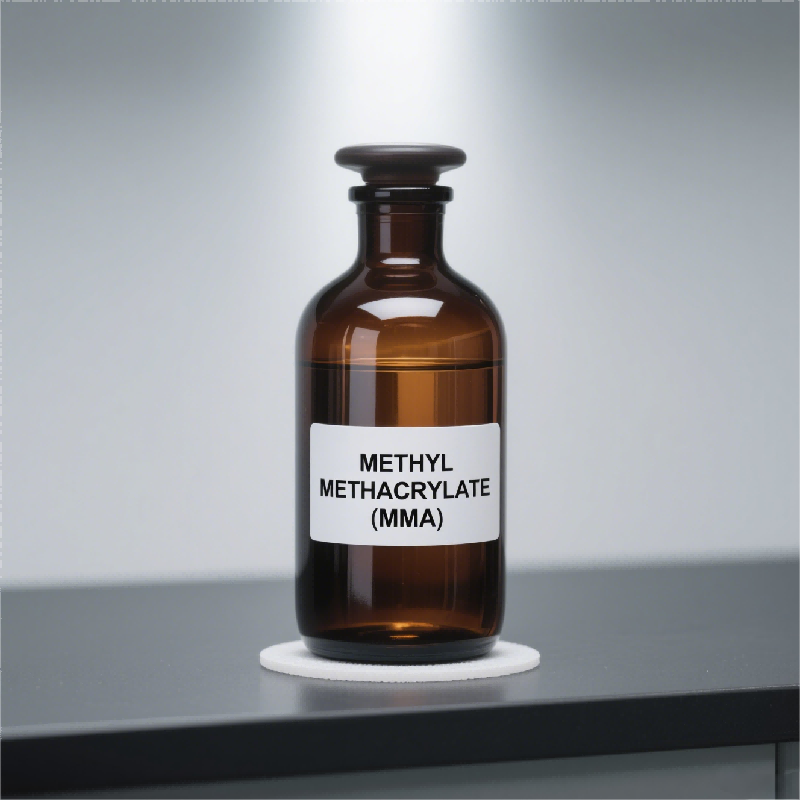
Methyl Methacrylate (MMA): MAA is a precursor to MMA, which polymerizes to form polymethyl methacrylate (PMMA), a transparent and durable plastic commonly known as acrylic glass.
-
Copolymers: MAA is copolymerized with other monomers to produce materials with tailored properties for specific applications.
-
-
Coatings and Paints:
-
Acrylic Coatings: MAA is used in the production of acrylic coatings that offer excellent adhesion, weather resistance, and durability.
-
Varnishes: Incorporated into varnishes to enhance gloss and protect surfaces.
-
-
Adhesives and Sealants:
-
Pressure-Sensitive Adhesives: MAA-modified copolymers provide tackiness and shear strength.
-
Construction Sealants: Improves adhesion to various substrates and enhances flexibility.
-
-
Textile and Leather Finishes:
-
Fabric Treatments: MAA-based polymers impart water repellency and stain resistance to textiles.
-
Leather Coatings: Enhances the durability and appearance of leather products.
-
-
Pharmaceuticals:
-
Enteric Coatings: MAA copolymers are used in enteric coatings for tablets to control the release of active ingredients in the digestive tract.
-
-
Water Treatment:
-
Flocculants and Dispersants: MAA-based polymers aid in the aggregation and removal of suspended particles in water treatment processes.
-
Safety and Handling
- Storage: Store in a cool, well-ventilated area away from heat and ignition sources.
- Handling: Use appropriate personal protective equipment (PPE), including gloves, goggles, and protective clothing.
- Incompatibilities: Avoid contact with strong oxidizing agents, acids, and bases.
- First Aid Measures: In case of contact, immediately flush with plenty of water and seek medical attention if necessary.
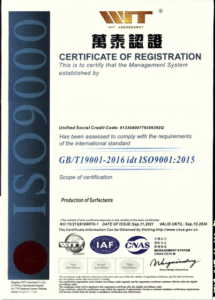
Certificates


Payment terms: Various payment methods are available, including T/T IN ADVANCE, Part repayment and part credit, etc.