 Skip to content



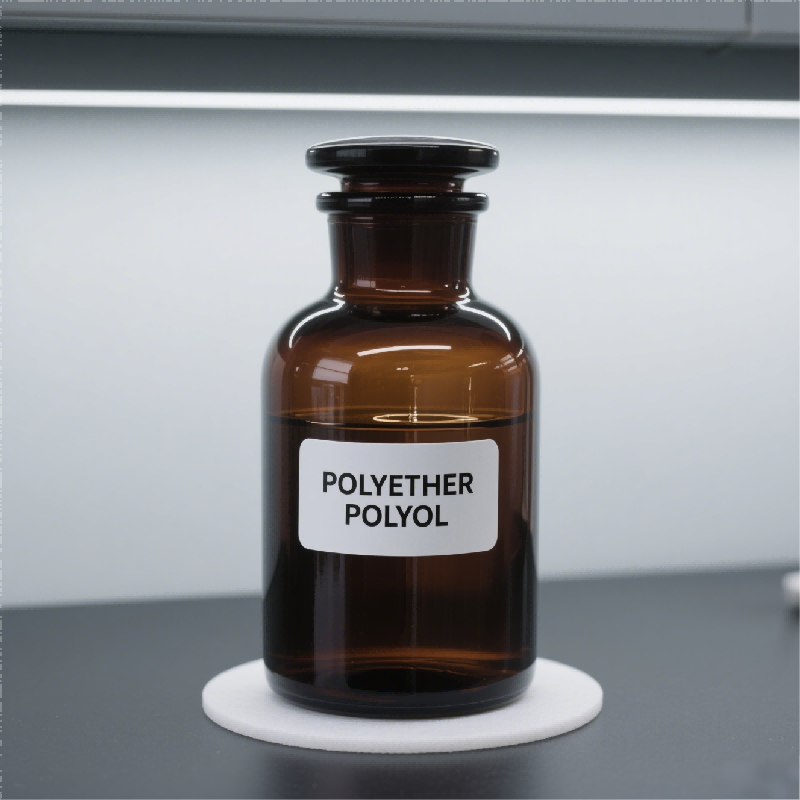
Polyether polyols are a class of polyols characterized by a polymer backbone composed of repeating ether linkages (-CH₂CH₂O-)n. These polyols are synthesized through the ring-opening polymerization of epoxides such as ethylene oxide (EO), propylene oxide (PO), or butylene oxide (BO) in the presence of multifunctional initiators like glycerin, sorbitol, or sucrose. The resulting polyols can vary in molecular weight, functionality, and structure, allowing for tailored properties to meet specific application requirements.
Common Types of Polyether Polyols:
- Polypropylene Glycol (PPG): Produced by polymerizing propylene oxide, PPG polyols offer excellent hydrolytic stability and low-temperature flexibility. They are commonly used in flexible foam applications.
- Polytetramethylene Ether Glycol (PTMEG): Synthesized from tetrahydrofuran, PTMEG polyols provide superior mechanical properties, resilience, and low-temperature performance. They are ideal for high-performance elastomers and rigid foam applications.
- Polyethylene Glycol (PEG): Formed by polymerizing ethylene oxide, PEG polyols are known for their low viscosity and are often used in coatings and adhesives.
Functionalities:
- Diols (2 hydroxyl groups): Suitable for flexible foams and elastomers.
- Triols (3 hydroxyl groups): Used for semi-rigid foams and elastomers.
- Higher functionalities (4–8 hydroxyl groups): Provide increased crosslinking, enhancing hardness and thermal stability in rigid foams and coatings.
Applications
Polyether polyols are primarily utilized in the production of polyurethane (PU) foams, which are integral to various industries due to their versatile properties:
Rigid Polyurethane Foams: Widely used in thermal insulation for refrigerators, freezers, refrigerated trucks, insulation panels, and pipe insulation.
Flexible Polyurethane Foams:Employed in cushioning materials for furniture, mattresses, automotive seating, and packaging.
Semi-Rigid Polyurethane Foams:Utilized in applications requiring a balance between flexibility and rigidity, such as in insulation panels and structural components.
Coatings, Adhesives, Sealants, and Elastomers (CASE): Incorporated into formulations for coatings, adhesives, sealants, and elastomers.
Advantages
- Tailored Properties: The ability to modify molecular weight, functionality, and structure allows for customization to meet specific performance requirements.
- Versatility: Suitable for a wide range of applications across various industries, including construction, automotive, and consumer goods.
- Performance: Contribute to the production of materials with excellent mechanical properties, thermal insulation, and chemical resistance.
Safety and Handling
- Storage: Store in tightly sealed containers, away from heat and sources of ignition, in a cool, dry place.
- Handling: Use appropriate personal protective equipment (PPE), including gloves, goggles, and protective clothing, when handling polyether polyols.
- Disposal: Dispose of in accordance with local environmental regulations.
Safety and Handling


Payment terms: Various payment methods are available, including T/T IN ADVANCE, Part repayment and part credit, etc.
