 Skip to content


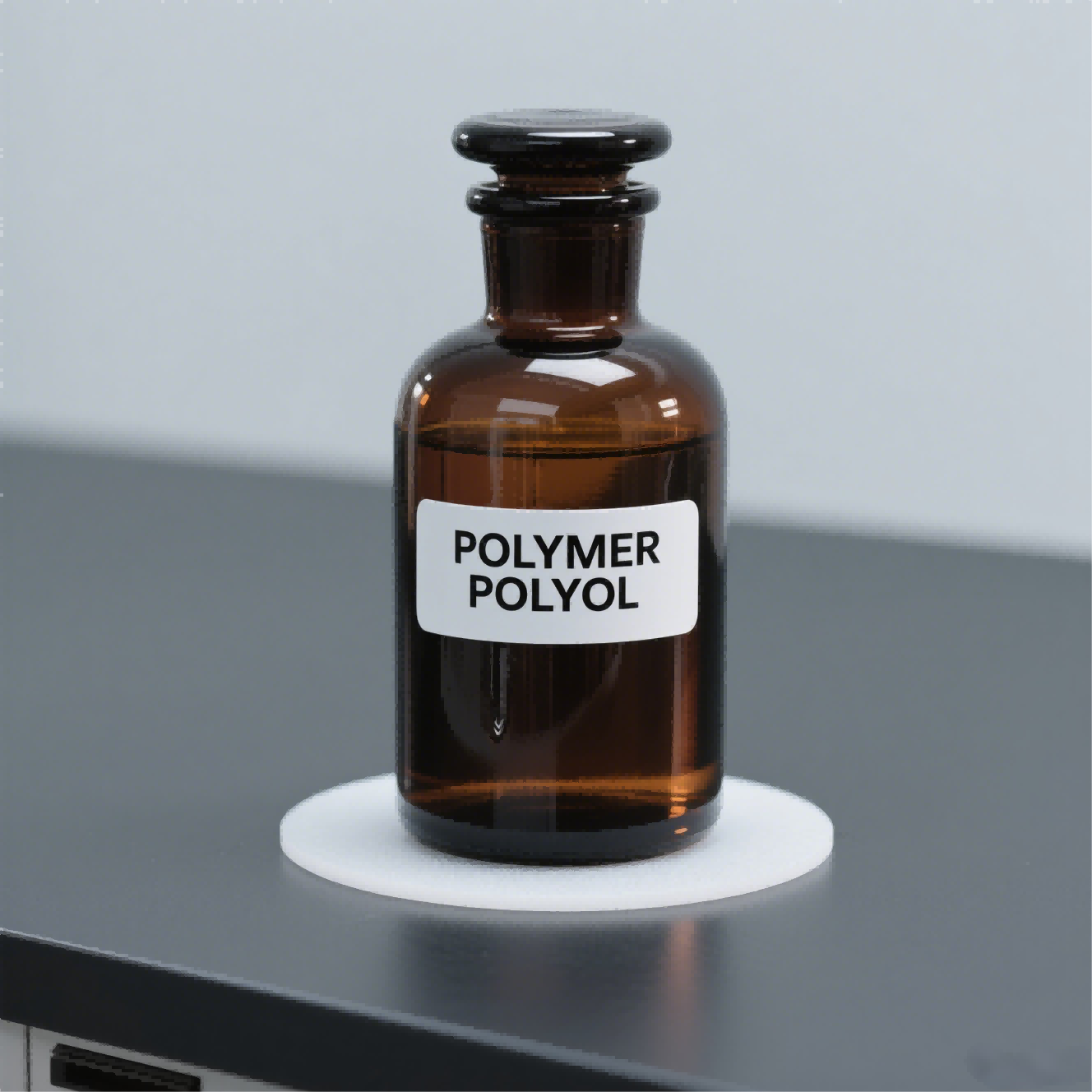
Polymer polyols are a specialized class of polyether polyols synthesized by incorporating solid polymer particles—such as polystyrene, polymethyl methacrylate, or acrylonitrile-butadiene-styrene—into a polyether polyol matrix. This is typically achieved through in situ polymerization of monomers within the polyol phase, resulting in a stable dispersion of solid polymer domains within the liquid polyether polyol.
- Base Polyol: Polyether polyol (e.g., poly(propylene glycol), poly(ethylene glycol))
- Polymer Phase: Solid polymer particles (e.g., polystyrene, polymethyl methacrylate)
- Appearance: Milky white to light yellow viscous liquid
- Functionality: Typically 2–3 hydroxyl groups per molecule
- Molecular Weight: Varies based on the base polyol and polymer phase
Key Applications
Polymer polyols are primarily utilized in the production of high-load-bearing or high-modulus flexible and semi-rigid polyurethane foam products. Their applications include:
- Flexible Polyurethane Foams: Used in the manufacture of cushioning materials for furniture, mattresses, automotive seating, and packaging.
- Semi-Rigid Polyurethane Foams: Employed in applications requiring a balance between flexibility and rigidity, such as in insulation panels and structural components.
- Molded and Block-Formed Foams: Integral in the production of molded foam parts for automotive interiors, appliance components, and construction materials.
Advantages
- Enhanced Mechanical Properties: The solid polymer phase imparts increased hardness, tensile strength, and tear resistance to the resulting foam products.
- Reduced Raw Material Consumption: By partially replacing general-purpose polyether polyols, polymer polyols enable the production of low-density foams with high load-bearing properties, optimizing material usage.
- Improved Processability: The stable dispersion of solid polymer particles facilitates consistent foam formation and molding processes.
- Customization: The ratio of polymer phase to polyether polyol can be adjusted to meet specific performance requirements, offering flexibility in foam formulation.
Safety and Handling
- Storage: Store in tightly sealed containers, away from heat and sources of ignition, in a cool, dry place.
- Handling: Use appropriate personal protective equipment (PPE), including gloves, goggles, and protective clothing, when handling polymer polyols.
- Disposal: Dispose of in accordance with local environmental regulations.
Certificates


Payment terms: Various payment methods are available, including T/T IN ADVANCE, Part repayment and part credit, etc.
