 Skip to content



Trimethylolpropane (TMP), with the molecular formula C₆H₁₄O₃, is a versatile fine chemical compound commonly used as a chain extender in polymer and resin industries. Its molecular structure features a central propane carbon atom bonded to three hydroxymethyl (-CH₂OH) groups. This unique structure imparts high reactivity, making TMP a key building block in the synthesis of various materials and chemicals.
-
CAS Number: 77-99-6
-
Appearance: Colorless to white solid
-
Melting Point: ~58°C
-
Boiling Point: ~289°C
-
Density: 1.084 g/mL
-
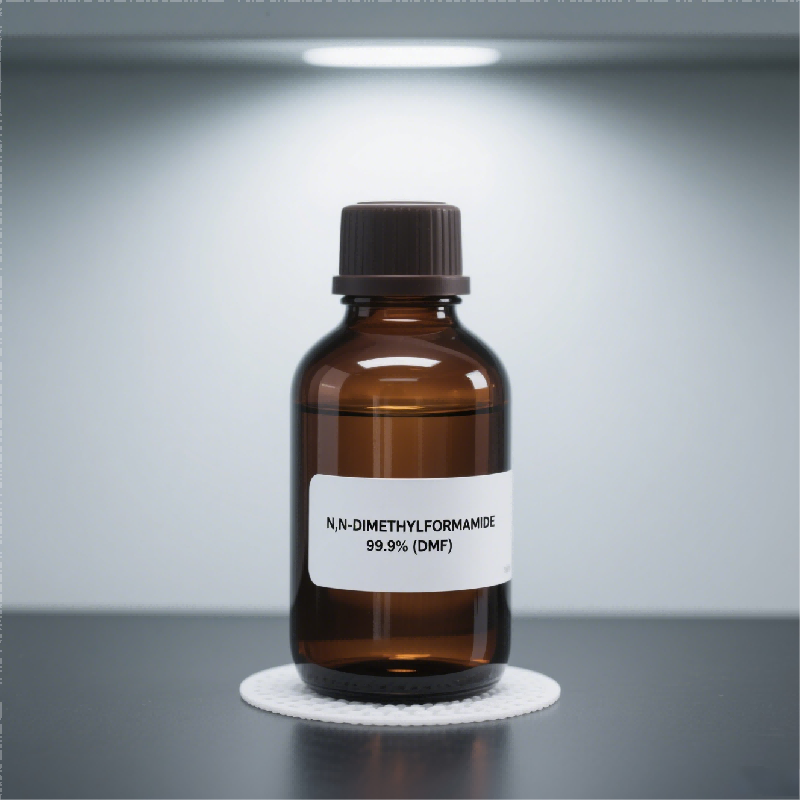
Solubility: Soluble in water, lower alcohols, glycerin, and N,N-dimethylformamide; partially soluble in acetone, ethyl acetate; slightly soluble in carbon tetrachloride, ethers, and chloroform.
Key Applications
TMP’s versatile chemistry allows it to be used in a wide range of applications, particularly in the resin, coating, and polymer industries. Some of its key uses include:
- Polymer and Resin Industry: TMP is primarily used as a chain extender in the production of alkyd resins, polyurethanes, unsaturated polyester resins, and saturated polyester resins. These resins are key components in coatings, adhesives, and varnishes.
- Coatings and Paints:TMP is commonly used in coatings and paints due to its ability to improve the hardness, adhesion, and chemical resistance of the final product. It is used in both solvent-based and waterborne coatings.
- Lubricants and Plasticizers:TMP is involved in the synthesis of aviation lubricants, where it helps improve the performance of high-temperature lubricants.
- Surfactants and Wetting Agents:TMP is an essential building block for the manufacture of surfactants and wetting agents, which are used in various cleaning, detergent, and industrial applications.
- Explosives and Printing Inks:TMP derivatives find use in the production of explosives and printing inks, where its chemical reactivity facilitates the formation of stable yet reactive compounds required for these industries.
- Textile and PVC Industries:TMP serves as an auxiliary agent in textile processing, improving fabric properties such as water resistance and softness.
Chemical Reactions
-
TMP reacts with organic acids to form monoesters and polyesters.
-
It forms acetals and ketals when reacting with aldehydes and ketones.
-
TMP reacts with diisocyanates to form carbamates, which are used in polyurethane applications.
These chemical reactions make TMP highly adaptable for the production of various specialty chemicals and materials.
Packaging and Storage
-
TMP is typically supplied in drums or bulk quantities, depending on customer requirements.
-
It should be stored in a cool, dry place, away from direct sunlight and moisture, to maintain its stability and reactivity.
Certificates


Payment terms: Various payment methods are available, including T/T IN ADVANCE, Part repayment and part credit, etc.
