 Перейти к содержанию

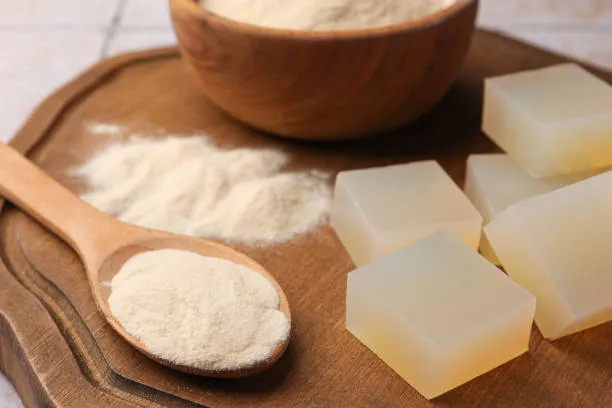
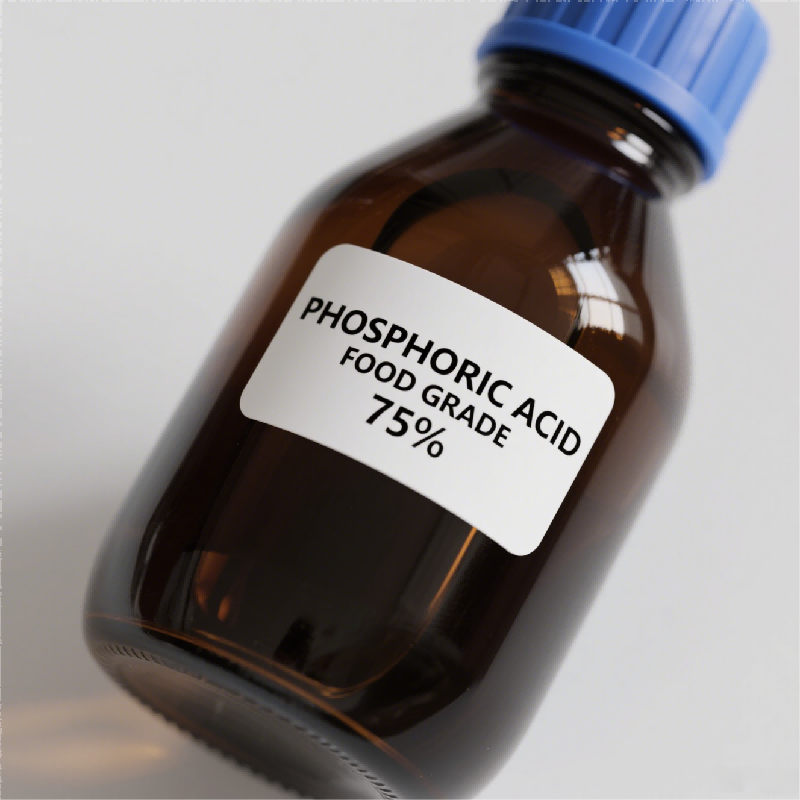

The supplement industry is undergoing a major shift. Facing a severe gelatin shortage, brands are replacing traditional animal-based shells with plant-based HPMC capsules. Read on to explore how supply chain challenges, technical advantages, and changing consumer demands are fueling this transition to vegetarian encapsulation.
The Impact of the Gelatin Shortage on Nutraceutical Companies
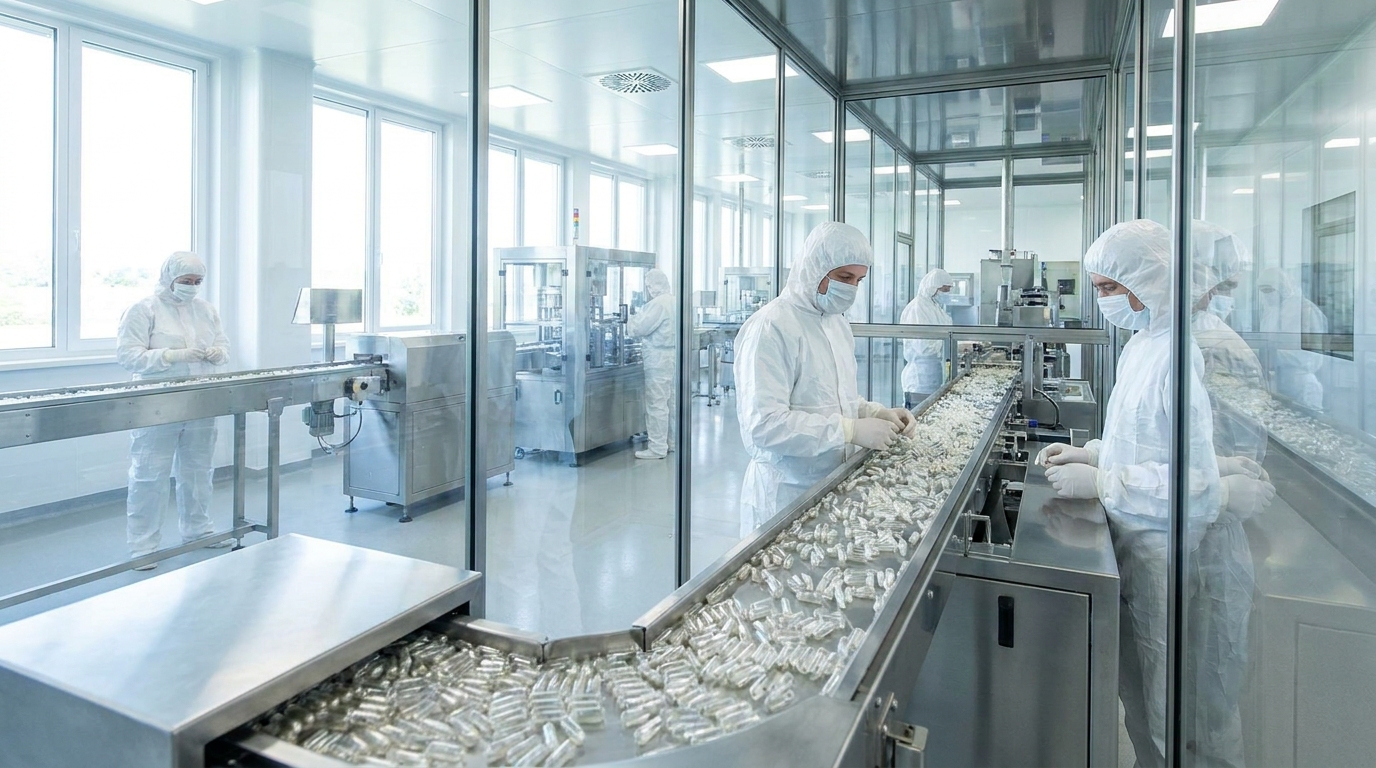
Nutraceutical companies rely on steady raw material supplies to meet production targets. Recently, a severe gelatin shortage has disrupted the supplement industry. Because gelatin depends entirely on animal by-products, fluctuations in agriculture and global shipping make this material harder to source. When raw materials are delayed, commercial manufacturing stalls. This supply chain instability forces brands to postpone product launches and miss revenue goals.
This material scarcity acts as a primary catalyst for industry-wide change. Brands can no longer risk production schedules on unpredictable animal-based supplies. Instead, manufacturers are actively transitioning to plant-based alternatives. Капсулы HPMC offer a direct, reliable replacement for traditional gelatin. Derived from plant cellulose, their supply chain remains much more stable. Switching materials helps companies maintain consistent output and protect their profit margins.
There is growing urgency to secure dependable materials for pharmaceutical packaging. Oral solids require precise formulation development and consistent encapsulation. If empty capsule shells are unavailable, the entire production line stops. Nutraceutical companies must prioritize supply chain resilience to stay competitive.
- Reduced lead times: Plant-based materials bypass the agricultural delays associated with animal processing.
- Inventory control: Stable availability allows brands to manage stock without emergency stockpiling.
- Production continuity: Reliable material flow prevents costly manufacturing downtime.
Suppliers like SOHO Honry Chemical help brands navigate these raw material shortages. With FDA, GMP, ISO, and FSSC certified facilities, we provide a robust, uninterrupted supply chain to ensure commercial manufacturing continues smoothly, even during global market shifts.
Understanding HPMC as an Alternative for Oral Solids
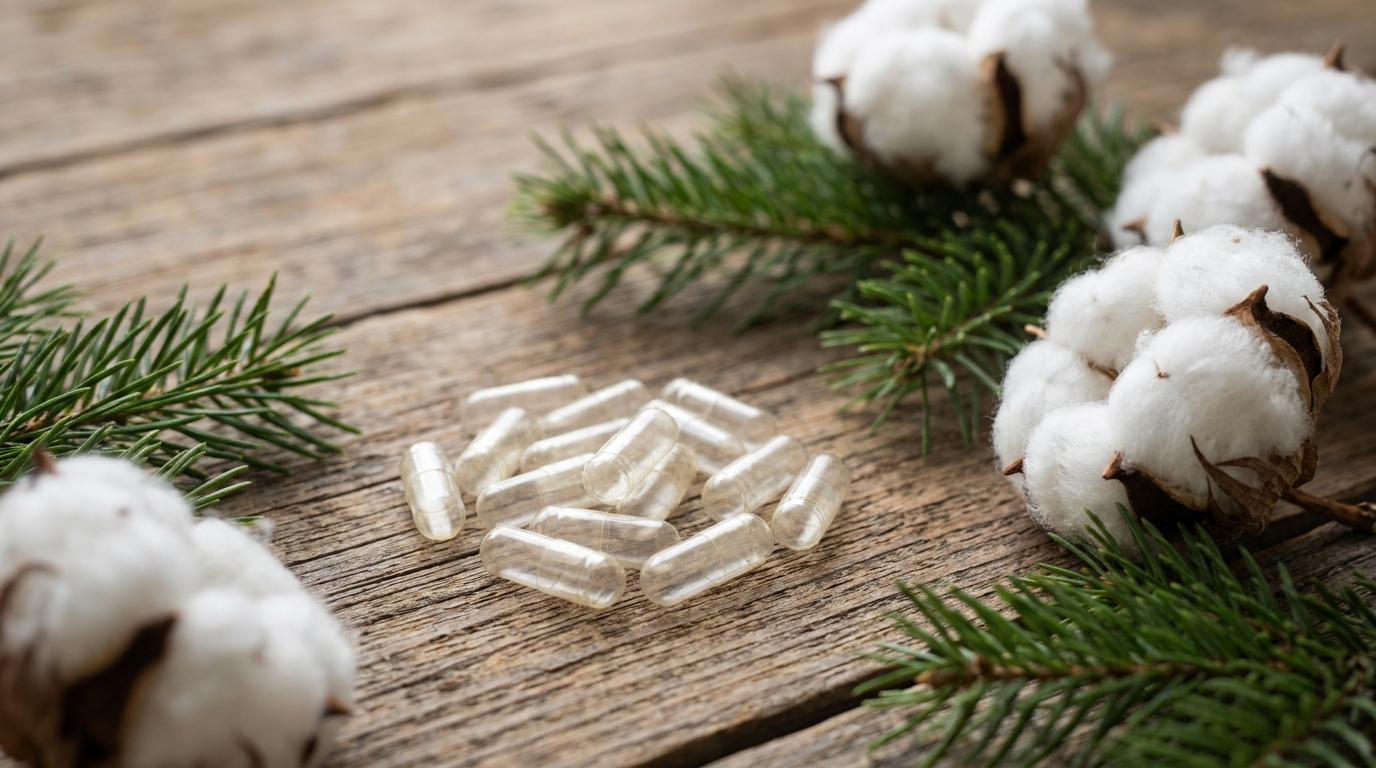
Hydroxypropyl Methylcellulose (HPMC) is a highly stable, plant-based polymer. Manufacturers extract this cellulose from natural sources like pine wood or cotton. It serves as a reliable raw material for empty capsule shells, avoiding the severe supply bottlenecks associated with animal processing.
In the supplement industry, oral solids represent a massive product category. vegetarian capsules play a critical role in this space. They securely hold active ingredients and help brands pass rigorous drug stability testing. Formulation development teams frequently choose these shells to protect sensitive nutraceutical formulas from environmental degradation.
Structural and Sourcing Differences
The physical properties of these two materials dictate how they perform during commercial manufacturing. Gelatin comes from animal collagen, typically bovine or porcine. This protein-based structure requires higher moisture levels to stay flexible. If a gelatin shell dries out, it becomes brittle and cracks. It also reacts poorly to certain vitamin C or iron formulations.
HPMC functions as a natural carbohydrate polymer. It naturally maintains a much lower moisture content without losing its structural integrity. This makes it ideal for moisture-sensitive ingredients that might degrade inside traditional animal-based shells. Furthermore, plant-based shells resist cross-linking, a chemical reaction that can severely slow down capsule dissolution in the stomach.
| Особенность | Traditional Gelatin | HPMC (Hydroxypropyl Methylcellulose) |
|---|---|---|
| Source Material | Animal collagen (bovine, porcine, or fish) | Plant cellulose (pine or cotton) |
| Содержание влаги | Typically 13% to 16% | Typically 4% to 6% |
| Cross-Linking Risk | High risk with certain aldehydes and vitamins | No cross-linking risk |
| Dietary Suitability | Unsuitable for vegans or strict vegetarians | Widely accepted (Vegan, Halal, Kosher) |
Sourcing plant-based polymers also aligns with strict dietary certifications. Ingredients that meet HALAL, KOSHER, NON-GMO, and ALLERGEN FREE standards allow nutraceutical companies to reach a much wider, health-conscious consumer base.
Key Technical Advantages of HPMC Over Gelatin
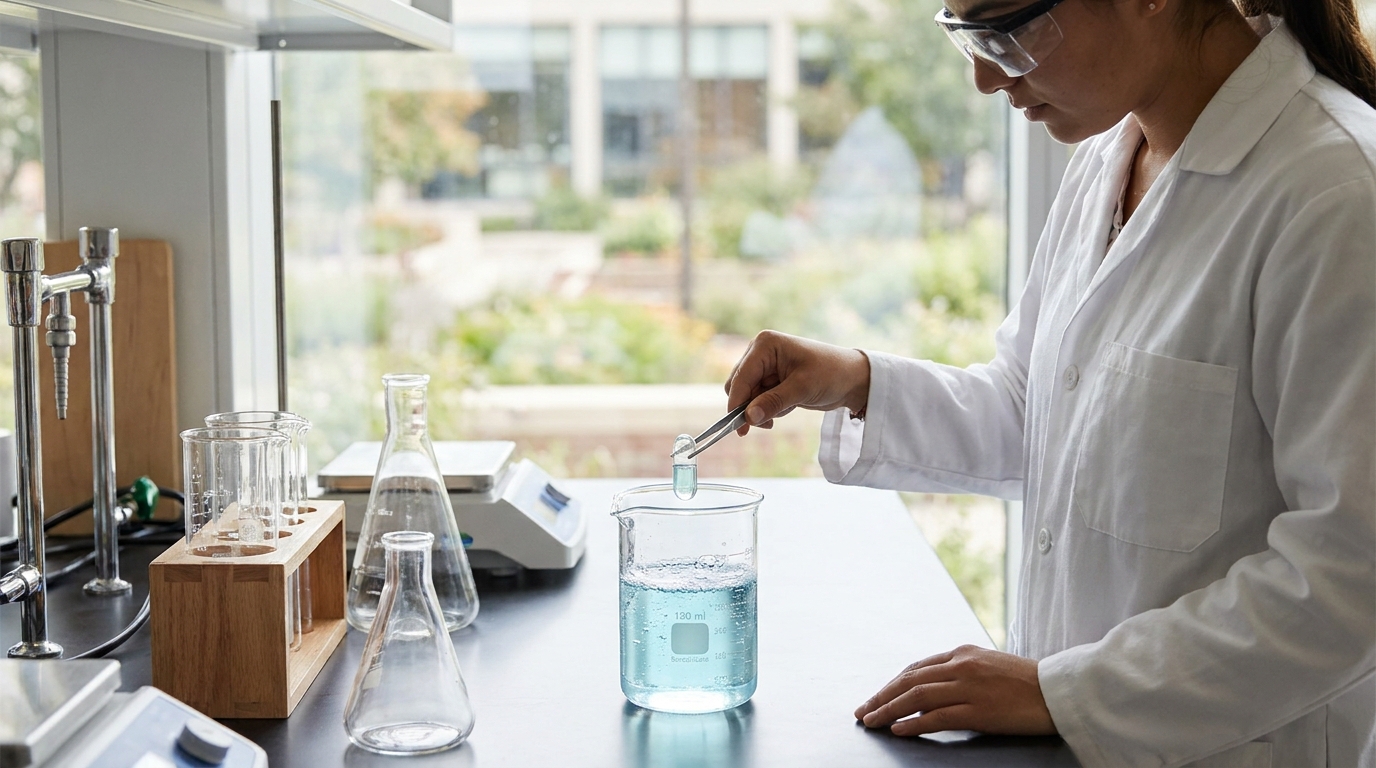
Plant-based shells naturally maintain a low moisture profile, which is vital for formulation development. Many active ingredients, such as probiotics and herbal extracts, degrade quickly when exposed to water. Traditional shells can transfer excess water into the fill material, degrading sensitive nutraceutical compounds. HPMC capsules protect these hygroscopic ingredients. They maintain their structural integrity without requiring high water content, preventing the empty shell from becoming brittle during long-term storage.
Improving Drug Stability Testing Outcomes
Passing rigorous drug stability testing is a major hurdle for manufacturers. Animal-based shells often fail these tests due to cross-linking. When animal proteins interact with specific vitamins or aldehydes, the shell hardens and will not dissolve properly in the human body. Because HPMC is a carbohydrate polymer, it entirely resists this chemical reaction. Formulators can safely encapsulate challenging ingredients without risking shell degradation, ensuring a reliable shelf life.
Consistent Dissolution Across pH Levels
Another major advantage involves consistent dissolution performance. The supplement industry requires predictable nutrient delivery. Animal-based shells rely heavily on specific stomach enzymes to break down. If a consumer takes a supplement on an empty stomach, dissolution can stall. HPMC dissolves consistently across a wide range of pH levels and does not depend on specific digestive enzymes to degrade. This ensures active ingredients release predictably, regardless of dietary habits.
- Moisture protection: Low water content preserves sensitive probiotics and dry powders.
- Chemical resistance: The polymer structure prevents cross-linking with reactive formulas.
- Predictable breakdown: Shells dissolve reliably regardless of stomach pH or enzyme levels.
SOHO Honry Chemical continuously offers решения для человеческого питания to overcome these technical challenges, supporting nutraceutical companies in optimizing their encapsulation strategies.
Meeting Consumer Demand with Certified Vegetarian Capsules

Shoppers are increasingly demanding plant-based and clean-label products. The supplement industry must adapt to these changing preferences to stay competitive. While technical benefits like low moisture content drive manufacturing choices, consumer values drive purchasing decisions. Today’s buyers actively look for supplements that align with vegan, vegetarian, and environmentally conscious lifestyles.
To serve modern global markets, dietary and religious certifications are essential. Animal-based gelatin often restricts a product’s reach, as many consumers avoid animal products due to strict religious dietary laws or personal ethical concerns. By switching to plant-based shells, nutraceutical companies instantly expand their target audience and remove major barriers to market entry.
Securing Global Certifications
High-quality HPMC shells easily meet rigorous international standards. SOHO Honry Chemical ensures our ingredients carry essential product certifications to support diverse market needs, including HALAL, KOSHER, NON-GMO, and ALLERGEN FREE designations. Our manufacturing facilities also operate under strict FSSC, BRC, ISO, and GMP guidelines.
This comprehensive certification profile allows brands to confidently market their products worldwide. When formulation development teams choose certified plant-based shells, they create safe, competitive, and healthy products. A single HPMC-encapsulated product can successfully serve diverse consumer groups across the globe, eliminating the need to formulate separate product lines for different dietary requirements.
Use Cases: When Supplement Brands Should Switch
Deciding when to transition encapsulation materials depends on the specific formulation. While the gelatin shortage impacts overall supply chains, certain product categories inherently require plant-based alternatives. Nutraceutical companies should prioritize the switch for formulations that demand high stability and broad market appeal.
Protecting Probiotics and Hygroscopic Ingredients
Probiotics and certain dry powders are highly sensitive to their environment and easily absorb surrounding water. Traditional animal-based shells carry a higher inherent water content, which can transfer into the fill material, degrading live cultures and reducing product efficacy. Formulators should switch to HPMC for these products to maintain a strict low-moisture environment, preserving the active ingredients throughout their intended shelf life.
Encapsulating Complex Botanical Formulations
Herbal extracts and complex botanicals present another clear use case. Many plant-based extracts contain reactive compounds like aldehydes and vitamin C. When housed in animal-protein shells, these compounds often trigger cross-linking, leading to dissolution failures. Because HPMC relies on a stable carbohydrate polymer, it avoids reacting with these botanical ingredients. Brands utilizing complex herbal blends should make the switch to guarantee consistent stability and predictable breakdown.
Targeting Premium and Regulated Demographics
Market positioning heavily dictates when a brand should transition its packaging. Launching a premium supplement line requires meeting strict consumer expectations. Shoppers seeking vegan, vegetarian, or clean-label products will quickly reject animal-based ingredients. Additionally, demographics following strict religious dietary laws require certified products. Switching to plant-based shells allows brands to confidently serve these valuable segments without alienating potential buyers.
Common Mistakes When Transitioning Capsule Shells
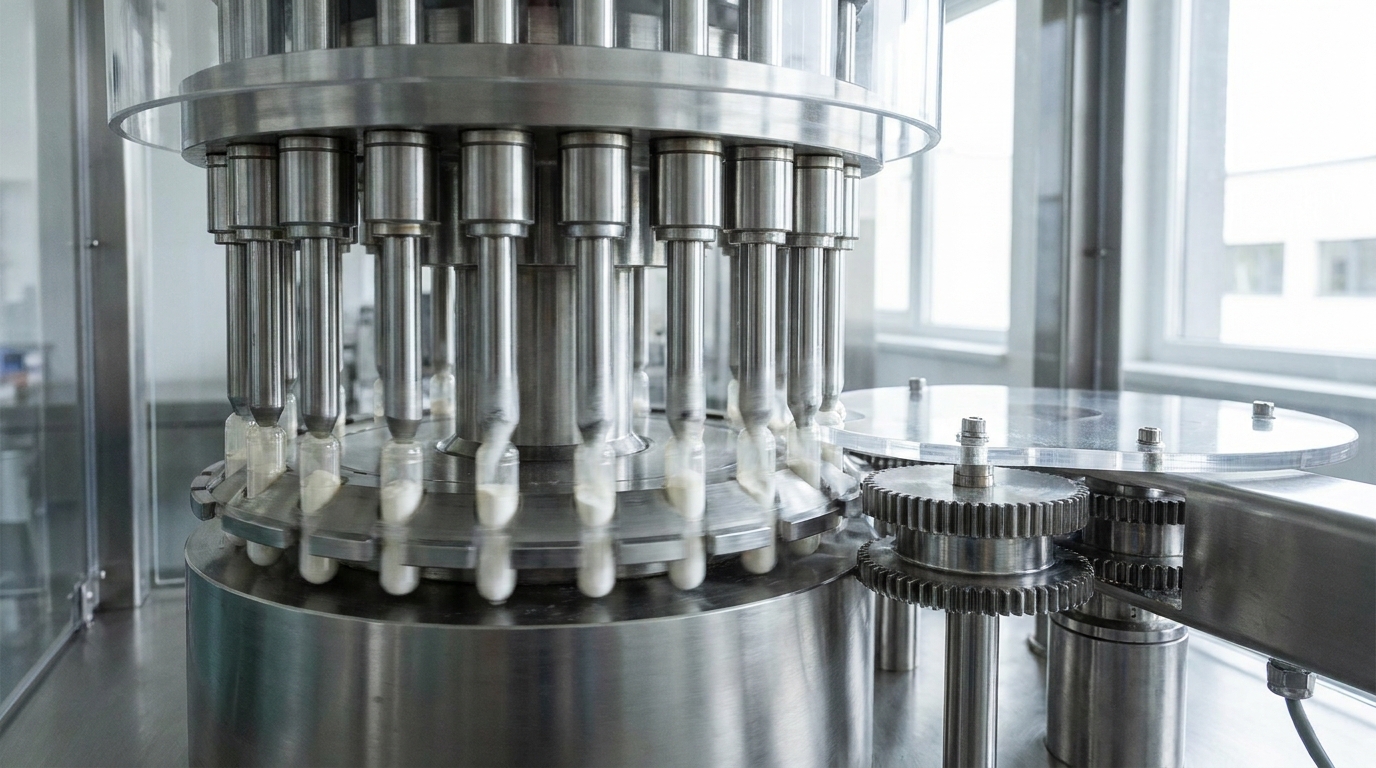
Switching encapsulation materials requires careful planning and technical oversight. Nutraceutical companies often rush this process to bypass supply chain bottlenecks. This urgency can lead to costly manufacturing errors and compromised product quality. Avoiding a few common pitfalls ensures a smooth transition to plant-based alternatives.
Skipping Proper Drug Stability Testing
Many brands mistakenly treat HPMC as an exact, drop-in replacement for traditional shells. While plant-based materials offer distinct advantages, their physical and chemical properties differ significantly. Formulators must not skip comprehensive drug stability testing. You must verify exactly how the new shell interacts with your specific active ingredients over time. Without rigorous testing, companies risk unexpected changes in dissolution rates, efficacy, or overall shelf life.
Ignoring Filling Machine Parameters
Another frequent oversight happens on the manufacturing floor. Plant-based and animal-based polymers behave differently under mechanical stress. Brands often fail to adjust their filling machine parameters when running new materials. Because HPMC maintains a low moisture profile, temperature and humidity controls must be carefully recalibrated for pharmaceutical packaging operations. Improper machine settings can cause brittle shells or poor sealing. Optimizing your equipment settings prevents expensive production delays.
Overlooking Supplier Quality Control
The ongoing material shortage pushes many brands to find quick alternatives. However, overlooking a supplier’s quality control certification is a critical error. Not all plant-based shells meet rigorous industry standards. Companies must partner with established manufacturers that offer transparent, instant verification of their testing results.
How to Choose a Reliable Global Ingredients Solution Supplier
Transitioning away from animal-based shells requires a dependable manufacturing partner. The ongoing gelatin shortage makes vetting new suppliers critical. You need a partner capable of supporting complex formulation development. Carefully evaluating a supplier ensures a smooth switch to plant-based encapsulation.
Verify FDA and GMP Certified Facilities
The foundation of pharmaceutical packaging is strict regulatory compliance. Always verify that your manufacturing partner operates FDA and GMP certified facilities. These certifications guarantee consistent hygiene, safety, and operational standards. Without these baseline credentials, you risk product contamination and costly regulatory delays.
Assess R&D Capabilities and Technical Support
Formulation development often requires advanced problem-solving. Look for suppliers with robust research and development backing. SOHO Honry Chemical maintains deep cooperation with top academic institutions, including Nanjing Agricultural University and China Pharmaceutical University. Our R&D team includes over 25 technicians led by two PhDs. This expert technical support helps brands seamlessly adapt to new materials, ensuring you maintain a critical low-moisture environment for sensitive ingredients.
Demand Transparent Third-Party Testing
Quality control cannot rely on internal claims alone. Reliable suppliers must provide transparent, third-party testing reports. Ensure your partner tests against rigorous Eurofin and SGS standards. Instant verification of these reports protects your brand reputation and confirms the purity of your raw materials. SOHO Honry Chemical undergoes strict third-party audits every single year to guarantee compliance.
Check for Comprehensive Manufacturing Certifications
A global supplier must meet diverse international standards. Beyond basic compliance, verify that the factory holds comprehensive credentials like FSSC, BRC, and ISO facility certifications. SOHO Honry Chemical provides these qualifications alongside vital product certificates, supplying HALAL, KOSHER, NON-GMO, and ALLERGEN FREE documentation for our materials. Partnering with a fully certified facility ensures market readiness and helps your supplements meet strict consumer demands worldwide.
Frequently Asked Questions About HPMC Capsules
Why are HPMC capsules better for moisture-sensitive ingredients?
HPMC (Hydroxypropyl Methylcellulose) naturally maintains a very low moisture content, typically between 4% and 6%. In contrast, traditional gelatin requires 13% to 16% moisture to keep its shape without cracking. This lower water content makes plant-based shells perfect for hygroscopic ingredients like probiotics and dry powders. They prevent excess water from transferring into the fill material, which helps protect sensitive compounds from degrading during long-term storage.
Can I use the exact same manufacturing settings when switching from gelatin to HPMC?
No. Plant-based and animal-based polymers behave differently under mechanical stress. When transitioning to HPMC, manufacturers must carefully adjust their filling machine parameters. Because HPMC has a naturally low moisture profile, using old temperature and humidity settings can lead to brittle shells or improper sealing. Recalibrating your equipment ensures a smooth production run and prevents expensive manufacturing delays.
Do plant-based capsules dissolve differently in the stomach than gelatin ones?
Yes, they offer more predictable breakdown. Traditional gelatin relies heavily on specific stomach enzymes to dissolve properly, which can stall if taken on an empty stomach. HPMC capsules, however, dissolve consistently across a wide range of pH levels. They do not depend on specific digestive enzymes. This ensures your supplement releases its active ingredients reliably, regardless of the consumer’s dietary habits or whether they have eaten recently.
Are HPMC capsules suitable for all dietary restrictions?
Yes, one of the biggest advantages of HPMC is its broad dietary appeal. Because these shells are derived from plant cellulose (like pine wood or cotton) rather than animal collagen, they are entirely vegan and vegetarian. High-quality HPMC capsules from certified suppliers like SOHO Honry Chemical also meet strict HALAL, KOSHER, NON-GMO, and ALLERGEN FREE standards. This allows brands to serve health-conscious shoppers and those with strict religious dietary laws using a single product line.
What is capsule cross-linking, and how do plant-based shells prevent it?
Cross-linking is a chemical reaction that happens when animal proteins in gelatin interact with certain reactive ingredients, like vitamin C or aldehydes. This reaction causes the gelatin shell to harden, preventing it from dissolving properly in the body. Because HPMC is a natural carbohydrate polymer rather than an animal protein, it completely resists this chemical reaction. Formulators can safely use plant-based shells for complex botanical blends without risking hardened capsules or failed drug stability tests.
Заключение
Switching to HPMC capsules offers supplement brands supply chain resilience and superior formulation stability. As plant-based delivery becomes the new standard in human nutrition, partnering with a scientifically backed manufacturer is vital to mitigate transition risks.
Not every SKU can move at once. Many brands keep a dual line and continue to run gelatin vacant capsules alongside HPMC shells while they qualify new formulations and update labels.
To review our manufacturing sites, quality documentation and global supply capability, visit About Honry Chemical.
- Review your current formulations for moisture sensitivity.
- Request HPMC samples for initial stability testing.
- Verify supplier certifications like GMP, ISO, and FSSC.
- Consult SOHO Honry Chemical’s PhD-led R&D team for transition support.
