 Перейти к содержанию
Quick Answer: What Products Contain Erythritol?
Erythritol is most often found in products marketed as sugar-free, reduced-sugar, low-calorie, keto-friendly, or low-carbohydrate. Common places to check include tabletop sweetener blends, chewing gum, mints, sugar-free candy and chocolate, protein bars, snack bars, frozen desserts, baking mixes, flavored drink powders, and some ready-to-drink beverages.
What drinks have erythritol? It may appear in flavored waters, zero-sugar beverages, powdered drink mixes, protein shakes, meal-replacement drinks, and selected energy or sports-style products. It does not appear in every product carrying a “zero sugar” or “diet” claim. Brands use many sweetener systems, so the exact ingredient statement is the only reliable answer.
In the United States, consumers can look for “erythritol” in the ingredient list. In the European Union, it may also be identified by its additive number, E 968. Product formulas, markets, and package sizes can differ, so check the current label for the exact item you plan to buy.
| Fast label check: Start with the ingredient panel. Marketing words such as “natural,” “keto,” “low sugar,” or “no added sugar” do not confirm the sweetener used. |
What Is Erythritol?
Erythritol is a sugar alcohol, also called a polyol. It occurs naturally at small levels in some foods, including certain fruits and fermented foods. Commercial Erythritol used in packaged products is typically produced through a controlled fermentation and purification process, then supplied as a white crystalline ingredient.
As a sugar substitute, erythritol can provide sweetness and physical bulk. That bulk is important in products where replacing sugar changes more than taste. Sugar affects texture, spread, crystal structure, volume, and mouthfeel. A high-intensity sweetener may provide sweetness at a very small dose, while erythritol can contribute body and a familiar granular form.
Erythritol is not the same as every other sugar substitute. It differs from high-intensity sweeteners such as stevia or sucralose, which are used at much lower levels, and it also differs from other sugar alcohols such as xylitol or maltitol. Food developers often use a blend to balance sweetness, texture, process performance, cost, and label goals.
Foods That May Contain Erythritol
Tabletop Sweeteners and Baking Alternatives
Granulated sugar alternatives are one of the easiest places to find erythritol. A retail pouch or packet may use erythritol alone or combine it with stevia, monk fruit extract, or another sweetener. It helps give the blend a spoonable texture closer to sugar.
Low-sugar baking mixes, cookie mixes, and recipe-focused sweetener products can also contain erythritol. It is useful to read both the package and the serving suggestion because a product marketed for baking may be a blend, not pure erythritol.
Candy, Gum, Mints, and Chocolate
Sugar-free chewing gum, mints, hard candy, gummies, and chocolate are common categories. Sugar alcohols are widely used in sugar-free confectionery, and erythritol may contribute sweetness, bulk, or a cooling sensory effect. The formula may also include other polyols, fibers, high-intensity sweeteners, cocoa, flavor systems, or coatings.
Do not assume a product contains erythritol just because it is sugar-free. Some brands use xylitol, maltitol, isomalt, allulose, sucralose, stevia, or blends instead. The same brand can also use different sweeteners across product lines.
Bars, Snacks, and Powdered Nutrition Products
Protein bars, meal-replacement bars, snack bars, powdered protein products, and low-carbohydrate snacks are frequent places to see erythritol. These formats often need sweetness while managing sugar content, and the sweetener may be paired with protein, fiber, fat, flavors, and texturizers.
A bar can contain erythritol in the filling, coating, crisps, or syrup-style binder. This makes the complete ingredient list more useful than the front label. Look for the word erythritol anywhere in the list, not only near the first few ingredients.
Frozen Desserts, Dairy, and Dairy Alternatives
Some reduced-sugar ice creams, frozen desserts, frozen yogurt, and dairy-style products contain erythritol. Product developers may use it as part of a broader sweetening and solids system. Its use is not universal, so the category is a cue to check, not a guarantee.
Dairy alternatives and coffee creamers may also use reduced-sugar sweetener blends. In these products, flavor, protein, fat, emulsification, and stabilizers all affect the result. A formulator generally evaluates the entire system rather than selecting one ingredient in isolation.
Sauces, Spreads, and Specialty Foods
Sugar-free syrups, flavored sauces, spreads, jams, and specialty diet foods may contain erythritol. It can also occur in select supplements, chewable products, and oral-care items. Again, a product may carry a similar marketing claim without using erythritol, so label reading remains essential.
| Product category | Products that may contain erythritol | Why a formula may use it | Label-reading note |
| Tabletop sweeteners | Packets, pouches, spoonable blends | Sweetness plus sugar-like bulk | Check whether it is pure or blended. |
| Confectionery | Gum, mints, sugar-free chocolate, candy | Sweetness, bulk, texture | Other sugar alcohols may be used instead. |
| Bars and snacks | Protein bars, keto snacks, baking mixes | Sugar reduction and solids support | Review fillings, coatings, and the full list. |
| Frozen and dairy-style foods | Reduced-sugar ice cream, frozen yogurt, creamers | Sweetness and formula balance | Recipes vary by flavor and market. |
| Drinks and powders | Flavored water, drink mixes, protein beverages | Reduced-sugar sweetening system | “Zero sugar” does not identify the sweetener. |
| Sauces and specialty foods | Syrups, spreads, jam-style products | Sweetness and body | Read current labels; formulas can change. |

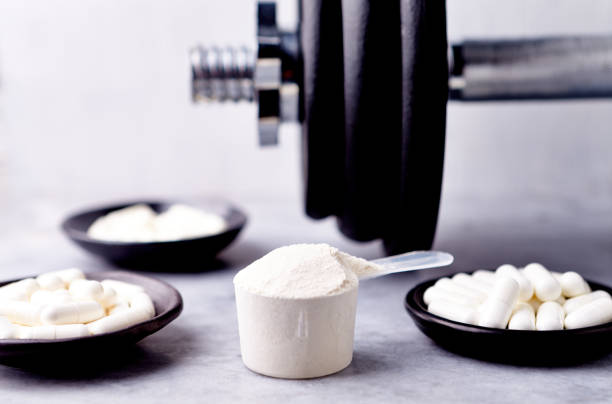
Image 2. Commercial erythritol is commonly supplied as a white crystalline ingredient for use in sweetener blends and food formulations.
What Drinks Have Erythritol?
Erythritol can be used in both dry and liquid beverage systems, although the best fit depends on sweetness target, ingredient solubility, flavor profile, processing, and shelf life. Consumers may encounter it in powdered drink mixes, low-sugar hydration products, flavored waters, selected soft drinks, ready-to-drink protein beverages, and meal-replacement drinks.
It is less useful to ask whether one broad drink type “contains erythritol.” A flavored water, for example, may use erythritol, stevia, sucralose, monk fruit, allulose, sugar, or a combination. Even different flavors from the same company may have different ingredient statements.
For product developers, beverage formulation needs practical testing. Erythritol has its own sweetness level, cooling effect, solubility behavior, and interaction with acids, flavors, minerals, and other sweeteners. A balanced beverage often uses a sweetener system rather than relying on one ingredient to mimic every function of sucrose.
| Drink format | Where erythritol may appear | Formulation question |
| Powdered drink mix | Low-sugar sticks, hydration powders, flavored mixes | Will it dissolve and taste consistent at the intended use level? |
| Flavored water or soft drink | Selected reduced-sugar or zero-sugar products | Does the blend deliver the desired sweetness and finish? |
| Protein beverage | Ready-to-drink shakes and meal replacements | How does the system perform with protein and minerals? |
| Sports or energy-style drink | Some low-sugar formulas | Does the sweetener system meet flavor and process needs? |
| Coffee or tea format | Selected mixes and creamers | Does it remain stable through the expected serving method? |
How to Find Erythritol on a Product Label
Read the ingredient statement first. In the U.S., erythritol is generally listed by name. In EU-market products, E 968 may appear. A nutrition panel can be useful context, but it does not replace the ingredient list when the question is whether a product contains this specific sweetener.
Check the exact format and flavor. A brand may reformulate a powder, bar, beverage, or candy without changing the overall product name. Retail and food-service packs can differ too. When a dietary decision depends on an ingredient, use the package in hand rather than an old online image.
For people who want to avoid or identify erythritol, do not rely on social-media lists or a category-level rule. Those lists age quickly and can miss regional versions. The package ingredient statement and any manufacturer-provided current information are the appropriate sources for a product-specific answer.
Naturally Occurring Erythritol vs. Added Erythritol
A small naturally occurring amount of erythritol in a fruit or fermented food is not the same as adding food-grade erythritol to a packaged formula. The practical difference for shoppers is label visibility. A packaged product that uses erythritol as an ingredient generally identifies it in the ingredient statement, while naturally occurring trace amounts in an unprocessed food are not listed as an added sweetener.
This distinction also explains why a fresh food can be part of a general discussion about erythritol without behaving like a sugar-free retail product. The amount, the purpose, and the formulation context are different. A consumer interested in an ingredient should focus on the label of the finished product, not on a broad list of foods where the compound may occur naturally.
For manufacturers, commercial erythritol is a specified raw material. Its physical form, purity specification, particle properties, packaging, and documentation support reproducible formulation work. That is very different from relying on the tiny natural presence of a compound in a fruit or fermentation-derived food.

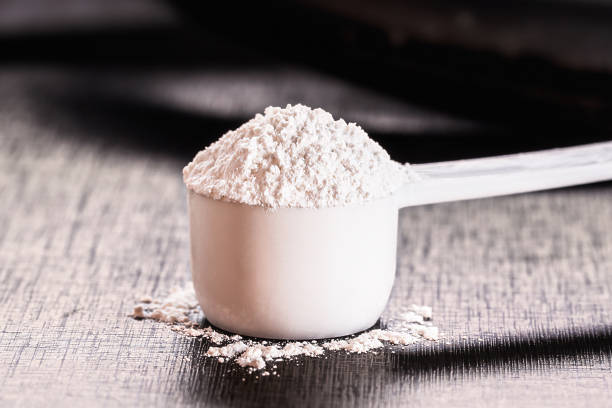
Image 3. Erythritol may appear across several low- or reduced-sugar categories, but each item’s label is the final confirmation.
Why Food Manufacturers Use Erythritol
Erythritol is selected for more than sweetness. In a sugar-reduced recipe, it may supply bulk, help a blend look or handle more like sugar, and support a particular texture or eating experience. Its performance depends on product category, processing, particle size, moisture, other sweeteners, flavor system, and storage conditions.
A sugar substitute erythritol system is often a trade-off decision. A formula team may compare cost, sweetness intensity, aftertaste, cooling perception, crystallization, solubility, nutritional positioning, label expectations, and local regulatory requirements. There is no single “best” sweetener for every product.
In confectionery and bakery, physical sugar replacement can be especially challenging. In a beverage, the key question may be dissolved sweetness and a clean finish. In a bar, it may be texture across shelf life. A written product brief and a controlled trial plan provide better answers than copying a dosage from an unrelated formula.
Erythritol Compared With Other Sugar Substitute Options
| Option | General role in a formula | Where it may fit | Key development consideration |
| Эритрит | Polyol sweetener that can add bulk | Tabletop blends, confections, snacks, selected drinks | Assess cooling effect, solubility, texture, and blend design. |
| Стевия | High-intensity sweetener | Drinks, tabletop blends, reduced-sugar foods | Often needs a bulking or taste-balancing partner. |
| Monk fruit extract | High-intensity sweetener | Blends, beverages, snacks | Review flavor profile and supplier standardization. |
| Аллюлоза | Bulk sweetener option | Baked goods, confections, beverages | Evaluate browning, processing behavior, and local rules. |
| Сукралоза | High-intensity sweetener | Beverages, dry mixes, broader food applications | Consider target label position and heat/process requirements. |
This comparison is a formulation guide, not a health ranking. A brand should choose based on product objectives, sensory tests, compliance review, available supply, and its customer promise. A combination can be better than a single ingredient when the target is a more rounded sweetness profile or a specific texture.
The same principle applies to consumer label reading. Seeing stevia or monk fruit on the front of a product does not tell you whether erythritol is also inside. Many retail sweetener blends use a high-intensity sweetener for sweetness and a crystalline ingredient for bulk.
Erythritol Sourcing, Storage, and Supplier Review
For food manufacturers, an Erythritol purchase should begin with the application, not a generic request for the lowest price. Define the target food, destination market, desired sensory result, process conditions, expected annual volume, packaging format, and documentation needs. These details help a supplier recommend an appropriate specification and reduce avoidable trial failures.
Ask for a technical data sheet, certificate of analysis for supplied lots, food-safety documentation, allergen information where applicable, particle-size information when relevant, packaging details, shelf-life guidance, and storage instructions. A sample should be tested in the intended finished product before a commercial order.
Keep unopened ingredient bags in a cool, dry, clean area away from moisture and strong odors. Reseal opened packaging promptly and use dry, clean tools. Exact storage, shelf life, and handling requirements should follow the supplier’s documentation for the specific grade and package.
A useful pilot plan starts with a control recipe and a small range of candidate sweetener systems. Keep the rest of the formula and processing method consistent. Record sweetness, aftertaste, cooling perception, dissolving behavior, viscosity, texture, appearance, and stability at the intended serving or storage condition. This gives the team a repeatable basis for selection.
Then test the product as it will be produced and sold. A beverage may need heat treatment, a powder may need instant dispersion, a bar may need shelf-life checks, and a frozen dessert may need freeze-thaw review. Bench samples can guide development, but commercial process conditions decide whether an ingredient system is fit for launch.
Document the approved grade, supplier, target addition range, mixing sequence, critical processing conditions, label name, and quality acceptance criteria. This record improves consistency across production batches and gives procurement, quality, and regulatory teams a shared reference point.
| Supplier check | Why it matters | Practical question |
| Application match | A beverage and a confectionery need different trial criteria. | Which grade or blend is recommended for this product? |
| Спецификация | Physical properties affect handling and finished texture. | Can you provide a current product specification and COA? |
| Regulatory documentation | Market requirements differ. | Which documents support our destination market review? |
| Packaging and logistics | Moisture control and handling affect quality. | What bag, pallet, MOQ, and lead-time options are available? |
| Trial support | Bench results should reflect real processing. | Can we obtain a representative sample for validation? |
For related sweetener categories and sourcing discussions, explore Honry Chemical’s food ingredient solutions. The company’s sweeteners portfolio can also help procurement teams compare complementary ingredient categories before a formulation review.

Image 4. Food developers validate sweetener choices in the real beverage or food matrix, process, and storage condition.
Regulatory and Health Context: Keep the Question Specific
Erythritol is a food ingredient and label practices differ by country. Food manufacturers should review the requirements of every destination market, including permitted use, ingredient naming, nutrition labeling, claims, and any applicable product-category limits. A general web article cannot replace a qualified regulatory review of a finished formula.
Consumers often see broad health discussions about sweeteners online. It is more useful to separate two questions: “Does this product contain erythritol?” and “What dietary choice is right for me?” The first is answered by the label. The second can depend on personal circumstances and should be discussed with a qualified healthcare professional when individualized advice is needed.
The U.S. Food and Drug Administration notes that consumers can identify sweeteners by name in the ingredient list and that it continues to monitor information about erythritol and other sweeteners. This guide does not make a medical claim or a personal dietary recommendation.
Common Mistakes When Looking for Erythritol
Do not assume every sugar-free product uses erythritol. Do not assume a “natural” or “keto” label means the same thing across brands. Do not use an old product image as proof of a current formula. And do not treat a product category as a complete ingredient list.
For developers, avoid choosing a sugar substitute from sweetness alone. A sweetener system changes texture, processing, flavor release, crystallization, cost, and label strategy. Start with the product objective, conduct controlled trials, and record the selected formula and specifications.
Product Claims and Clear Consumer Communication
A reduced-sugar product needs clear, accurate communication. The front of the pack may explain a broad product benefit, while the ingredient statement identifies the actual sweetener system. These two pieces of information serve different jobs. A responsible label makes it easy for consumers to find both without implying that every product in a category uses the same ingredients.
For brand teams, align the product name, ingredient list, nutrition information, and marketing claim before launch. Confirm that the claim is permitted in the destination market and that it is supported by the final formula. A last-minute sweetener substitution can change more than taste; it can affect the ingredient declaration, allergen review, sensory profile, and customer expectations.
For retailers and distributors, use current manufacturer data in online product descriptions. A product listing should not copy a sweetener claim from an older pack image. Keeping ingredient information current helps shoppers make informed choices and reduces unnecessary support questions.
FAQ: Erythritol in Foods and Drinks
What products contain erythritol?
It is commonly found in selected sugar-free or reduced-sugar sweeteners, gum, candy, chocolate, bars, frozen desserts, baking products, drink mixes, and some ready-to-drink beverages. Check the specific label.
What drinks have erythritol?
Some flavored waters, powdered drinks, protein beverages, meal replacements, and low-sugar beverages contain it. A product’s ingredient list provides the definitive answer.
Is erythritol the same as stevia?
No. Erythritol is a sugar alcohol that can add bulk. Stevia is a high-intensity sweetener used in much smaller amounts. They may be combined in a single retail blend.
How do I know if a sweetener packet contains erythritol?
Read the ingredient statement. The front name may emphasize stevia or monk fruit, while erythritol can still be part of the blend.
Is erythritol naturally present in food?
Small natural amounts occur in some fruits and fermented foods. Commercial food-grade erythritol used in packaged products is typically produced for controlled ingredient use.
Why is erythritol used in sugar-free chocolate or candy?
It can contribute sweetness and bulk in a reduced-sugar formula. The full system may also include other sweeteners and texture ingredients.
What should a manufacturer request before buying erythritol?
Request the specification, lot documentation, storage guidance, packaging details, relevant food-safety records, and a sample for testing in the actual formula.
Final Takeaway
Erythritol appears most often in selected sugar-free and reduced-sugar foods, tabletop blends, confectionery, snack products, frozen desserts, drink powders, and some beverages. The ingredient list remains the reliable way to identify it in a specific item.
For manufacturers, erythritol is a functional ingredient choice as well as a sweetener. Define the product goal, test the real formula and process, verify market requirements, and choose a documented supply option that supports the finished product.
