
Plant protein demand is skyrocketing globally. But food manufacturers face a tricky dilemma.
Pea protein isolate vs concentrate: which grade does your product need? Processing changes their cost and nutrition.
In this post, you’ll learn their key differences. We will guide your final formulation choice.
The Rise of Pea Protein in the Plant Protein Market
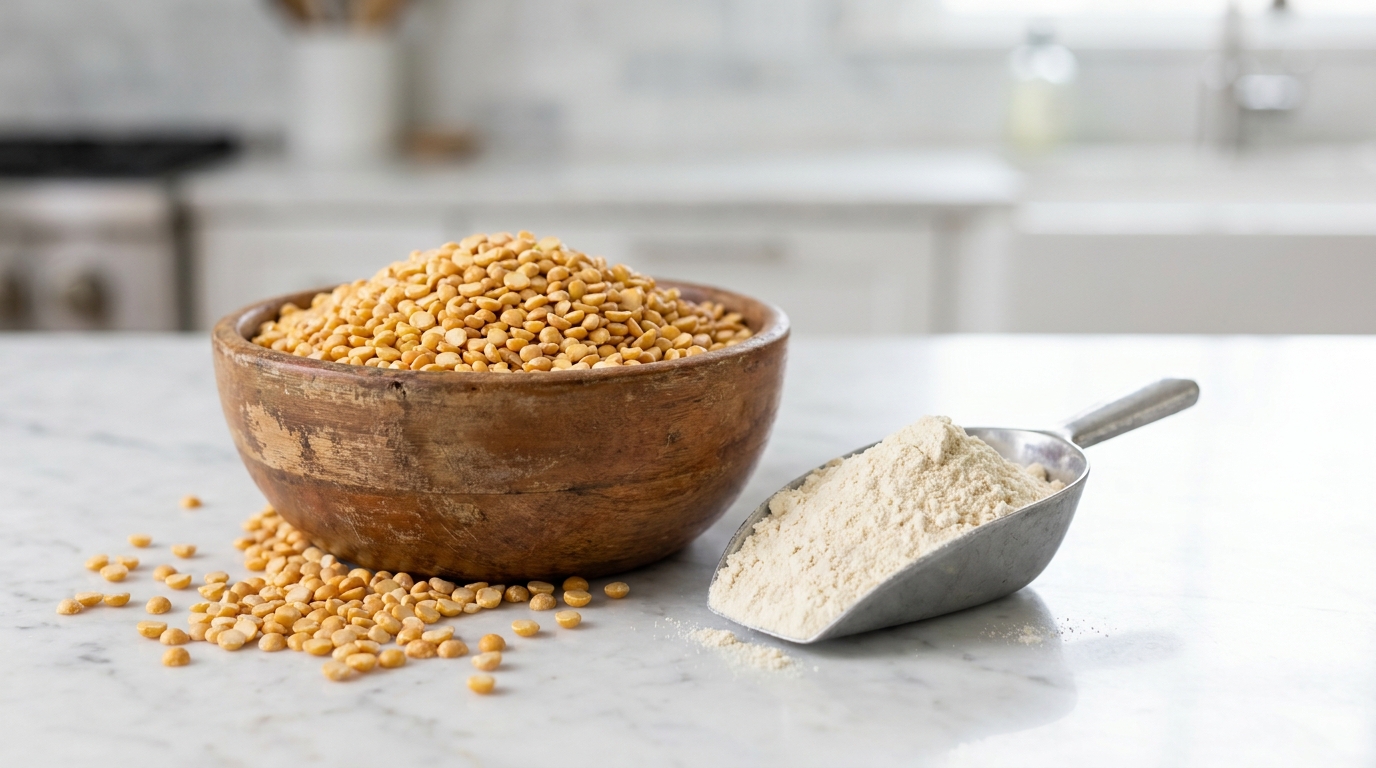
Deciding between pea protein isolate vs concentrate dictates your product’s success. Before comparing these specific grades, we must understand why pea protein dominates today’s formulations.
It quickly became a cornerstone ingredient for modern food manufacturers. Brands moving away from traditional dairy need reliable alternatives. This ingredient delivers exactly what shoppers demand.
Nutritional Powerhouse
The nutritional advantages are very clear. It offers a rich amino acid profile. It is naturally vegan and highly digestible. It maintains a Protein Digestibility Corrected Amino Acid Score (PDCAAS) around 0.75 to 0.89. This makes it a highly efficient nutritional source.
Meeting Modern Consumer Demands
Today’s shoppers read food labels carefully. They demand clean-label, sustainable, and eco-friendly ingredients. Yellow split peas fit this specific profile perfectly. They require less water to grow than dairy cows. They also naturally fix nitrogen in the soil. This lowers the environmental footprint of your final product.
The Allergen-Free Advantage
Older plant protein sources carry heavy allergen risks. Many consumers actively avoid soy and wheat. Gluten intolerances and genetic modification remain major buyer concerns. Food brands need safer, universally accepted ingredient alternatives.
Offering ALLERGEN FREE and NON-GMO options is a strict requirement. At SOHO Honry Chemical, we understand this industry shift. Our manufacturing facilities provide fully certified ingredient solutions. We supply HALAL, KOSHER, NON-GMO, and ALLERGEN FREE ingredients. This guarantees your product remains safe for sensitive populations.
Here is how it compares to legacy protein sources:
| Protein Source | Allergen Risk | Non-GMO Status | Consumer Perception |
|---|---|---|---|
| Pea | Very Low (Allergen-Free) | Naturally Non-GMO | Clean-label, highly desirable |
| Soy | High (Major Allergen) | High GMO Risk | Heavily processed, often avoided |
| Wheat | High (Gluten) | Varies | Avoided by gluten-sensitive buyers |
What is Pea Protein Concentrate?
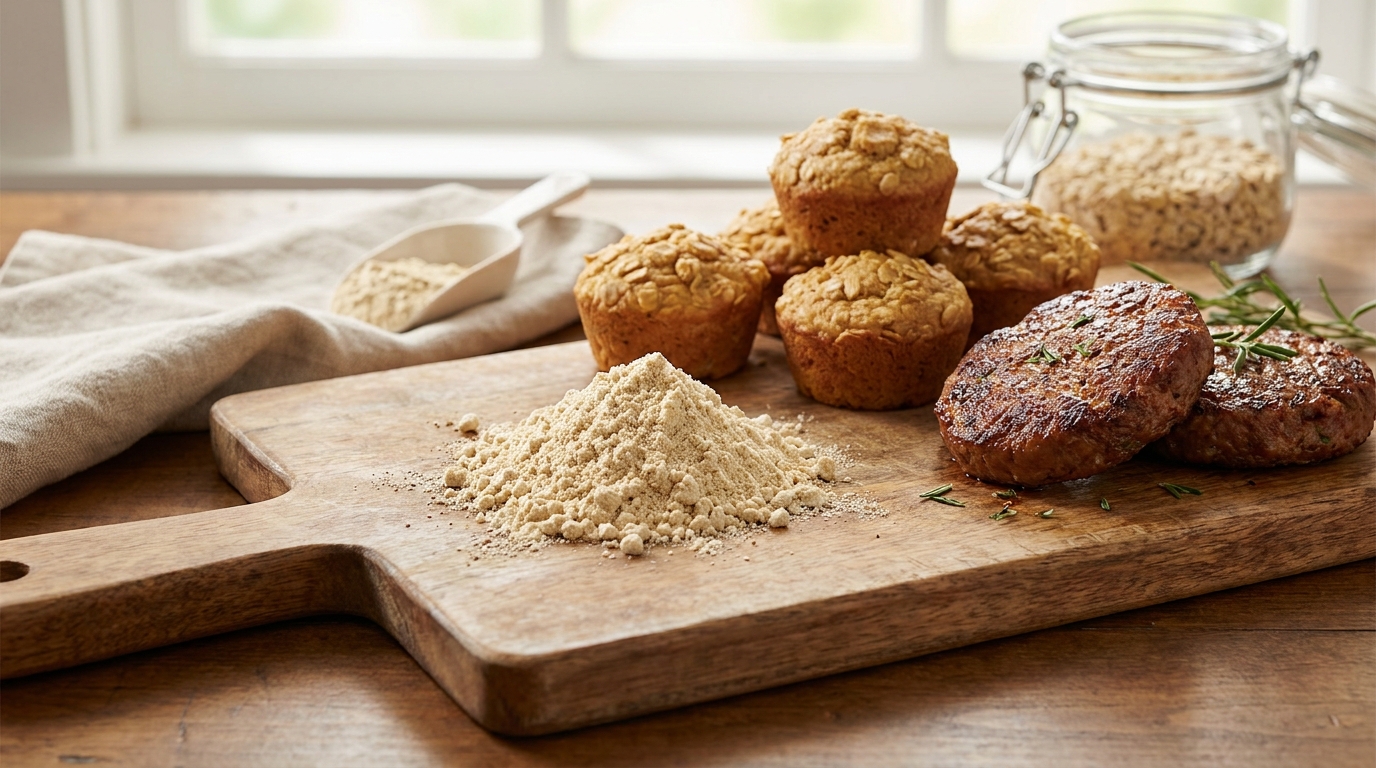
As we covered earlier, yellow peas offer incredible clean-label benefits. However, how we process them completely changes their application. When evaluating pea protein isolate vs concentrate, you must first understand the concentrate grade. It serves as a reliable foundation for many food and beverage solutions.
The Dry Extraction Process
Manufacturers produce this specific grade using a mechanical process called dry fractionation. First, they mill whole yellow peas into a fine flour. Next, they use air classification to separate the particles.
A controlled air stream lifts the lighter protein particles away from the heavier starch granules. This method relies entirely on physical separation. It requires no water, acids, or chemical solvents. This makes it a highly sustainable processing choice.
Nutritional Profile and Composition
Because the separation is purely mechanical, this grade retains much of the original legume’s structure. You can expect a protein content generally ranging from 60% to 70%.
The remaining 30% to 40% consists of natural starches, dietary fibers, and fats. This complex composition significantly impacts how the ingredient behaves in your final formulation. It provides unique structural benefits but also presents specific formulation challenges.
Pros and Cons of This Grade
Choosing this ingredient involves weighing its physical properties against your product goals. Here is a breakdown of its main advantages and limitations.
| Advantages | Disadvantages |
|---|---|
| Cost-Effective: Less intensive processing makes it significantly cheaper. | Lower Protein Density: You need more volume to hit protein targets. |
| Eco-Friendly: Dry milling uses no water or chemical solvents. | Stronger Flavor: Retains a distinct earthy or “beany” taste. |
| Great Texturizer: Retained starches and fibers act as excellent binders. | Poor Solubility: Tends to clump or feel gritty in liquid applications. |
The retained fibers make it perfect for baked goods, snacks, and meat analogs. They help bind ingredients together naturally without artificial additives. However, the stronger flavor profile requires careful masking.
At SOHO Honry Chemical, our R&D team collaborates with top institutions like Nanjing Agricultural University. We continuously help manufacturers develop better human nutrition solutions. We can help you balance these functional benefits while minimizing the earthy aftertaste in your final product.
What is Pea Protein Isolate?
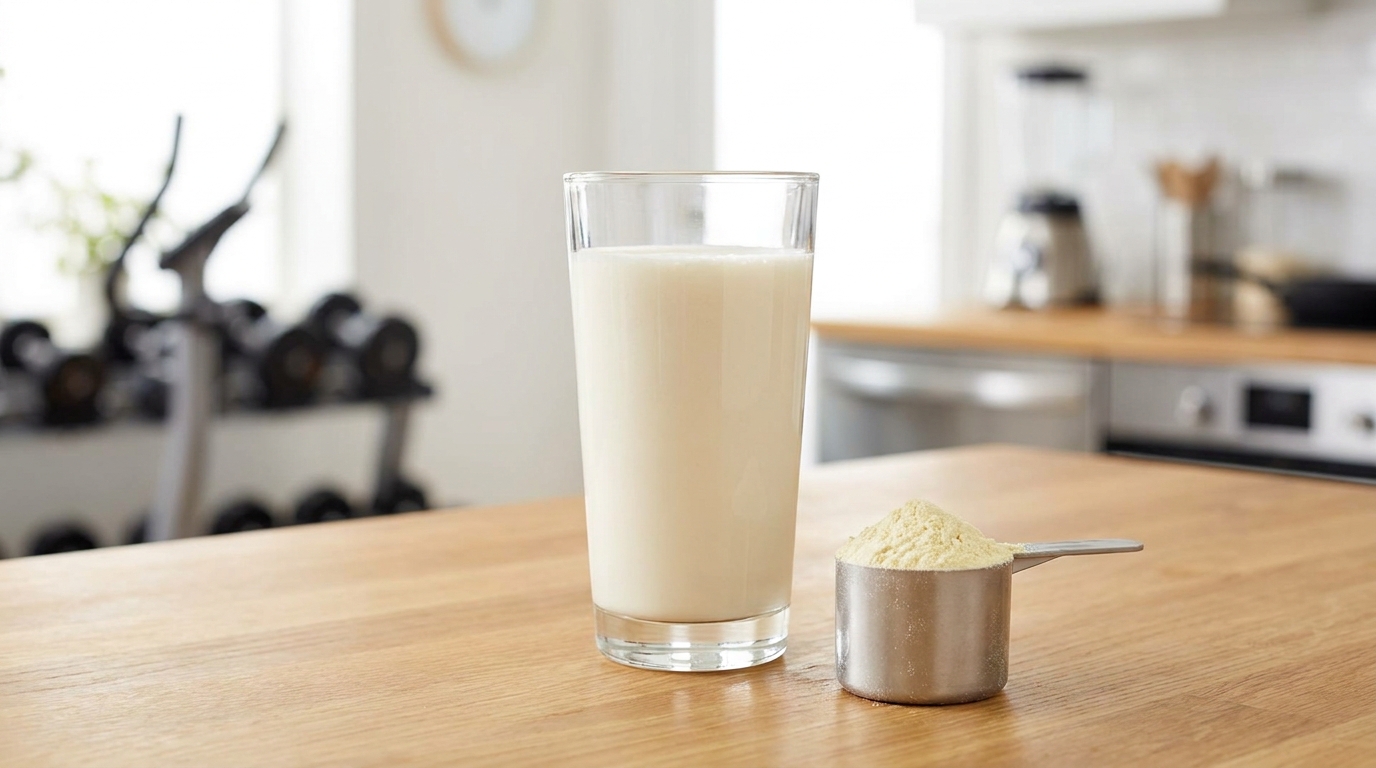
While concentrate forces you to manage stronger flavors and lower protein density, isolate solves these exact problems. When comparing pea protein isolate vs concentrate, this premium grade offers maximum purity. It completely changes how your beverage or supplement performs.
The Wet Extraction Process
How do manufacturers achieve this high purity? They rely on an intensive wet extraction method. First, they mill the yellow peas into flour. Next, they mix this flour into a liquid solution.
The process uses alkaline extraction followed by isoelectric precipitation. This chemical and mechanical separation isolates the protein. It strips away the heavier starches and fibers. Finally, centrifugation and spray drying turn the liquid into a fine powder.
The Standard of Purity and Nutrition
This intense separation creates a highly refined ingredient. You easily achieve an 80% protein concentration or higher. The nutritional breakdown looks very different from the concentrate grade.
Processing removes almost all carbohydrates, fats, and dietary fibers. These non-protein components often drop below 1%. This creates a highly concentrated plant protein source. It delivers maximum nutritional value per serving.
Pros and Cons of This Grade
Why choose pea protein isolate over concentrate? The purity brings distinct formulation advantages. However, it also presents specific trade-offs. You must weigh these factors carefully.
| Advantages | Disadvantages |
|---|---|
| Highly Soluble: Blends perfectly into liquids and avoids clumping. | Higher Cost: Often 20% to 40% more expensive than concentrate. |
| Neutral Taste: Wet extraction removes the strong earthy flavor. | Complex Manufacturing: Requires intensive processing and resources. |
| Smooth Texture: Eliminates the gritty or sandy mouthfeel entirely. | Less Structural Benefit: Lacks the binding power of natural starches. |
| Maximum Protein: Delivers the highest protein content per serving. | Lower Fiber: Not ideal for fiber-focused nutritional panels. |
This grade dominates ready-to-drink shakes and premium sports nutrition products. It provides a smooth mouthfeel and clean flavor profile.
At SOHO Honry Chemical, our R&D team ensures every batch meets strict Eurofin and SGS standards. Led by two PhDs, our 25 technicians help brands integrate this pure ingredient seamlessly. Our factory holds FSSC, BRC, ISO, and GMP certifications. We guarantee the highest quality for your formulation needs.
Core Differences: Pea Protein Isolate vs Concentrate
As we covered earlier, wet and dry processing methods create two very distinct ingredients. Choosing between pea protein isolate vs concentrate comes down to matching these physical traits to your formulation goals. Let’s break down how they compare directly across five critical performance metrics.
Protein Density and Nutritional Value
The most obvious difference lies in the nutritional panel. Concentrate generally delivers 60% to 70% protein by weight. It leaves room for natural starches, dietary fibers, and fats.
Isolate undergoes intensive filtration. This produces a highly refined 80% protein concentration or higher. This density directly dictates your required serving size. To hit a 20-gram label claim, you need significantly more concentrate powder. This bulk impacts your product’s total volume and caloric density.
Flavor Profile and Mouthfeel
Flavor masking remains a major challenge in plant-based formulation. Concentrate retains an earthy, distinctly “beany” flavor profile. It works well in savory applications like meat analogs or heavily spiced snacks.
Isolate offers a much cleaner, neutral taste. The wet extraction process washes away the flavor-carrying fats. It also eliminates the gritty or sandy mouthfeel common in lower grades. If you formulate a delicate vanilla shake, isolate prevents unwanted aftertastes entirely.
Solubility and Texture in Liquids
Solubility makes or breaks a liquid product. Concentrate struggles in this specific category. It tends to clump easily. It often settles at the bottom of the bottle over time.
Wet extraction makes pea protein isolate highly soluble. It suspends perfectly in water or plant-based milks. It creates the smooth, creamy texture consumers expect in premium ready-to-drink beverages.
Digestibility and Gut Comfort
Both grades boast a solid amino acid profile. However, they digest quite differently in the human body.
Concentrate contains higher levels of dietary fiber and complex starches. This provides excellent satiety for meal replacement bars. Yet, it can cause bloating in sensitive individuals.
Isolate removes these non-protein components almost entirely. This leads to faster absorption. It offers easier digestion for sports nutrition and sensitive stomachs.
Cost-in-Use Analysis
Raw material price only tells half the story. Concentrate costs 20% to 40% less upfront due to simpler processing.
However, you must calculate the true cost-in-use. If you need 30% more concentrate to reach your target, your savings shrink quickly. You might also spend more on expensive masking agents to hide the earthy flavor.
At SOHO Honry Chemical, our professional partnership team helps you navigate these formulation economics. We rely on advanced testing equipment and our PhD-led R&D team to optimize your recipe. We ensure you get the best functional value without overspending on raw materials.
| Performance Metric | Pea Protein Concentrate | Pea Protein Isolate |
|---|---|---|
| Protein Density | 60% – 70% | 80% – 90% |
| Flavor Profile | Earthy, beany notes | Clean, neutral taste |
| Solubility | Poor (tends to clump/settle) | Excellent (smooth suspension) |
| Digestibility | Slower (contains fiber/starch) | Fast absorption (highly refined) |
| Upfront Cost | Lower | Higher |
Application Guide: Which Grade Does Your Product Need?
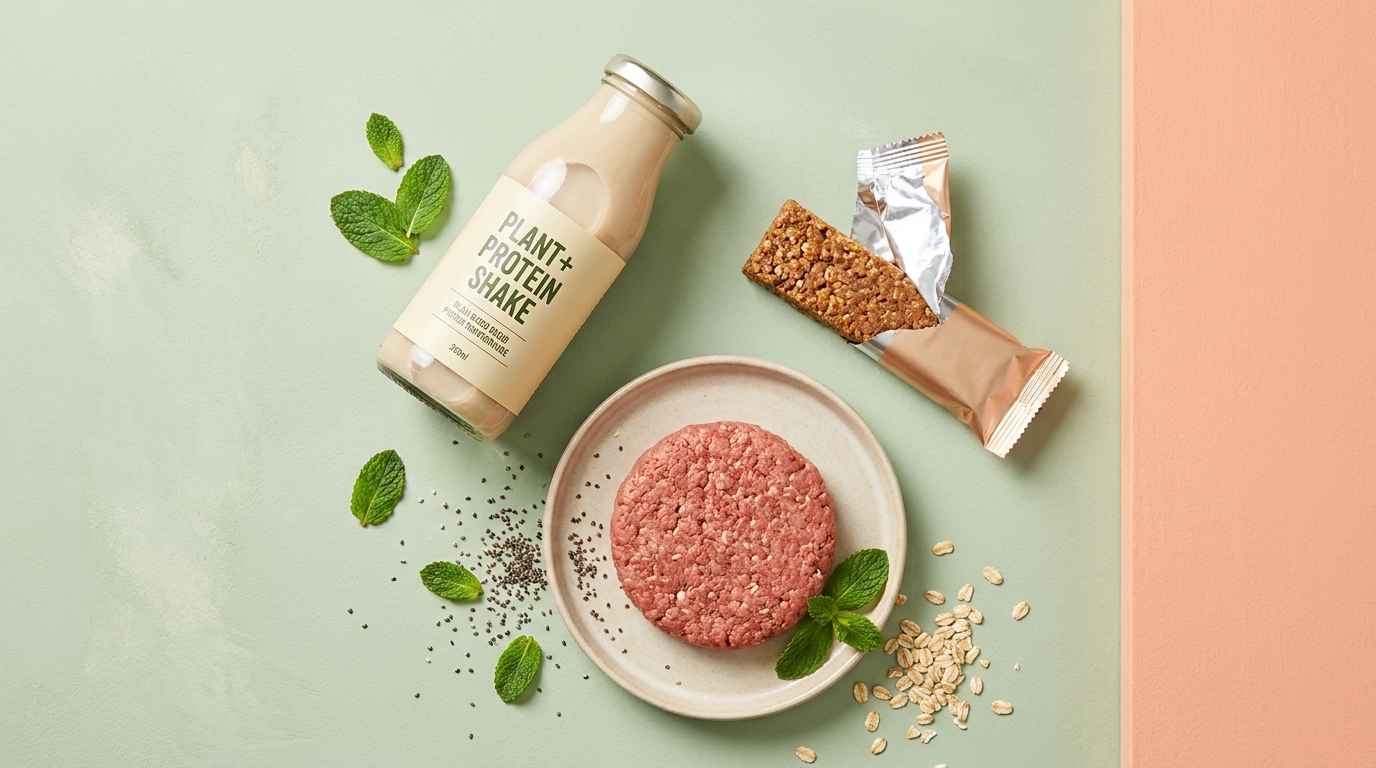
We just compared their physical traits, flavor profiles, and formulation economics. Now, how do these differences play out on the factory floor? When evaluating pea protein isolate vs concentrate, your final choice dictates your product’s success. Let’s match these specific grades to real-world product categories.
Beverages and Ready-to-Drink (RTD) Shakes
The formulation rule for beverages remains incredibly simple. You must use pea protein isolate for RTD shakes. Concentrate struggles heavily in liquid applications. It clumps quickly and settles at the bottom.
The intensive wet extraction process makes isolate highly soluble. It suspends perfectly in water and plant milks. This grade entirely removes the unwanted gritty texture. It guarantees the smooth mouthfeel modern consumers expect.
Sports Nutrition and Supplements
Athletes read nutritional labels very closely. They demand high protein and minimal carbs. Here, you need a high-purity 80% protein ingredient. Isolate delivers maximum nutritional density per scoop.
It strips away extra fats and starches. This allows you to hit strict macronutrient targets easily. It digests quickly in the stomach. This makes it ideal for post-workout recovery formulas.
Plant-Based Meat Alternatives
Meat analogs require serious physical structure. You need ingredients to bind together. They must create realistic bulk. Concentrate excels in this specific category. Its retained starches act as natural binders.
It handles high-moisture extrusion perfectly. You can form realistic patties or nuggets easily. If you need to boost the final label claim, you can blend in some isolate. This provides specific protein fortification without adding extra carbs.
Bakery, Snacks, and Gummy Candy
Baked goods need strong structural integrity. Concentrate provides excellent texturizing benefits for breads and cookies. The extra dietary fiber helps hold the dough together. It also reduces your raw material costs.
For low-carb snack bars, the strategy changes entirely. You lean toward isolate to keep carbs low. SOHO Honry Chemical supports leading companies across various sectors. We supply ingredients for complex formulations, including gummy candy. We ensure your snacks maintain optimal texture and clean labels.
Animal Nutrition
The plant protein trend extends beyond human food. Premium pet foods need high-quality amino acids. Livestock feeds require the exact same nutritional attention. Animal nutrition formulations often leverage cost-effective concentrates.
The mechanical dry processing keeps the price lower. It still delivers an excellent amino acid profile. This helps feed manufacturers boost nutritional value efficiently. Our factory certifications ensure these feed ingredients remain safe and consistent.
| Product Category | Recommended Grade | Primary Formulation Reason |
|---|---|---|
| Beverages & RTD Shakes | Isolate | High solubility and smooth mouthfeel |
| Sports Supplements | Isolate | Maximum protein density and fast digestion |
| Meat Alternatives | Concentrate (or Blend) | Natural binding and structural bulk |
| Bakery & Snacks | Concentrate | Dough integrity and cost savings |
| Animal Nutrition | Concentrate | Cost-effective amino acid enhancement |
Sourcing High-Quality Plant Protein: Industry Standards and R&D
We just explored how different grades fit into beverages, snacks, and animal feed. But knowing which grade you need is only half the battle. You must source the ingredient correctly. Partnering with a professional global ingredients solution supplier ensures consistent batch quality.
If your raw material changes between orders, your final formulation suffers. You need a reliable partner to scale your production safely. Sourcing high-quality plant protein requires strict attention to industry standards.
Advanced R&D and Technical Support
Extraction methods dictate flavor, solubility, and nutritional density. Leading suppliers invest heavily in continuous formulation innovation. At SOHO Honry Chemical, we collaborate directly with top academic institutions. We work closely with Nanjing Agricultural University and China Pharmaceutical University.
This deep partnership keeps our extraction technology ahead of industry trends. It allows us to solve complex formulation challenges quickly. We help you innovate faster and bring better products to market.
Quality Control and Testing
Purity claims require hard proof. You need a dedicated technical team backing your ingredients. Our R&D department includes over 25 skilled technicians. Two PhDs from top universities lead this dedicated group.
They utilize advanced testing equipment every single day. We provide comprehensive testing reports against Eurofin and SGS standards. This guarantees your pea protein isolate or concentrate delivers exact specifications every time.
Certifications that Matter
Factory standards protect your brand reputation. Facility audits remain non-negotiable in modern food manufacturing. You must verify your supplier’s credentials before signing any purchasing contracts.
Our production facilities maintain strict global standards. We hold FSSC, BRC, ISO, and GMP certifications. We undergo independent third-party audits every single year. We happily issue these audit reports directly to our partners.
Meeting Global Dietary Needs
Modern consumers demand absolute label transparency. They want safe, ethical, and highly accessible ingredients. You must meet these diverse global dietary needs to maximize your total market reach.
We supply fully certified ingredients to support your brand. Our products carry HALAL, KOSHER, NON-GMO, and ALLERGEN FREE certifications. This keeps your label clean. It ensures sensitive populations can consume your products safely.
| Supplier Requirement | SOHO Honry Chemical Standard | Benefit to Your Product |
|---|---|---|
| R&D Innovation | Partnerships with top universities | Access to cutting-edge extraction technology |
| Quality Control | PhD-led team, Eurofin & SGS testing | Guaranteed purity and consistent batch quality |
| Facility Safety | FSSC, BRC, ISO, and GMP certified | Risk-free manufacturing and brand protection |
| Dietary Compliance | HALAL, KOSHER, NON-GMO, ALLERGEN FREE | Maximum global market reach and clean labels |
Conclusion
Choosing between pea protein isolate and concentrate depends on your formula. You must balance target protein, texture, flavor, and budget. SOHO Honry Chemical provides certified, R&D-driven ingredient solutions. We ensure safe and competitive products.
- Review your exact protein content needs.
- Contact our team for custom product solutions.
- Request instant verification of our quality certificates.
Frequently Asked Questions About Pea Protein Isolate vs Concentrate
Why does pea protein powder sometimes clump in liquids?
Clumping often happens when you use pea protein concentrate. Concentrate contains more starches and fibers. These extra components reduce solubility in water. For smooth and clear drinks, you should choose pea protein isolate. Isolate undergoes wet milling to remove most carbohydrates. This process makes it dissolve much faster. If you need perfectly smooth ready-to-drink shakes, isolate is always the better choice.
Can I call my product high protein if I use concentrate?
Yes, you can still make high protein claims. Pea protein concentrate contains sixty to eighty percent protein. You just need to use a slightly larger amount. This helps you reach your target protein levels. Concentrate is often twenty to forty percent cheaper than isolate. This cost difference makes it great for budget-friendly snacks. Just remember to check your local food labeling laws carefully.
How do I hide the beany flavor in my protein bars?
Lower-grade pea proteins often have a strong earthy taste. You can reduce this beany flavor by choosing high-purity isolate. Isolate goes through extra processing to remove unwanted flavor compounds. If you prefer using concentrate, try adding strong flavor masks. Cocoa and vanilla work very well to hide earthy notes. SOHO Honry Chemical provides high-quality ingredients to help improve your product taste.
Which pea protein grade is better for clean label products?
Consumers often view pea protein concentrate as a cleaner option. Manufacturers make concentrate using physical dry milling and air classification. This method completely avoids harsh chemical solvents and acids. Isolate requires wet extraction and chemical separation to reach high purity. Both grades from SOHO Honry Chemical are non-GMO and allergen-free. Choose concentrate if your buyers want minimally processed food ingredients.
Does pea protein cause bloating or digestive discomfort?
Some people experience mild bloating when eating pea protein concentrate. Concentrate retains higher levels of natural dietary fiber and starches. These complex carbohydrates can sometimes cause gas during digestion. Pea protein isolate is usually much easier to digest. The isolation process removes almost all the fiber and carbs. You should use isolate for customers with sensitive digestive systems.
Next Steps for Your Formulation
- Evaluate your target product texture to choose the right ingredient.
- Calculate your budget requirements before selecting a specific protein grade.
- Request a sample from SOHO Honry Chemical for testing today.
- Blend pea and rice proteins together for complete amino acids.
Choosing the right pea protein grade shapes your final product. Isolate offers high purity and smooth textures for premium drinks. Concentrate provides cost savings and structure for baked goods. Your decision depends on budget limits and specific nutritional goals. SOHO Honry Chemical supplies top-quality ingredients for all your formulation needs. Partner with experts to create healthy and competitive plant-based foods.
