 Skip to content

Sourcing pure astaxanthin is critical but challenging. While Haematococcus pluvialis microalgae is the premier natural source, buyers constantly face risks of low-quality extracts. This guide helps you navigate extraction methods, verify active purity, and select reliable global suppliers for your nutrition and personal care products.
Understanding Haematococcus Pluvialis Extract as a Source of Astaxanthin
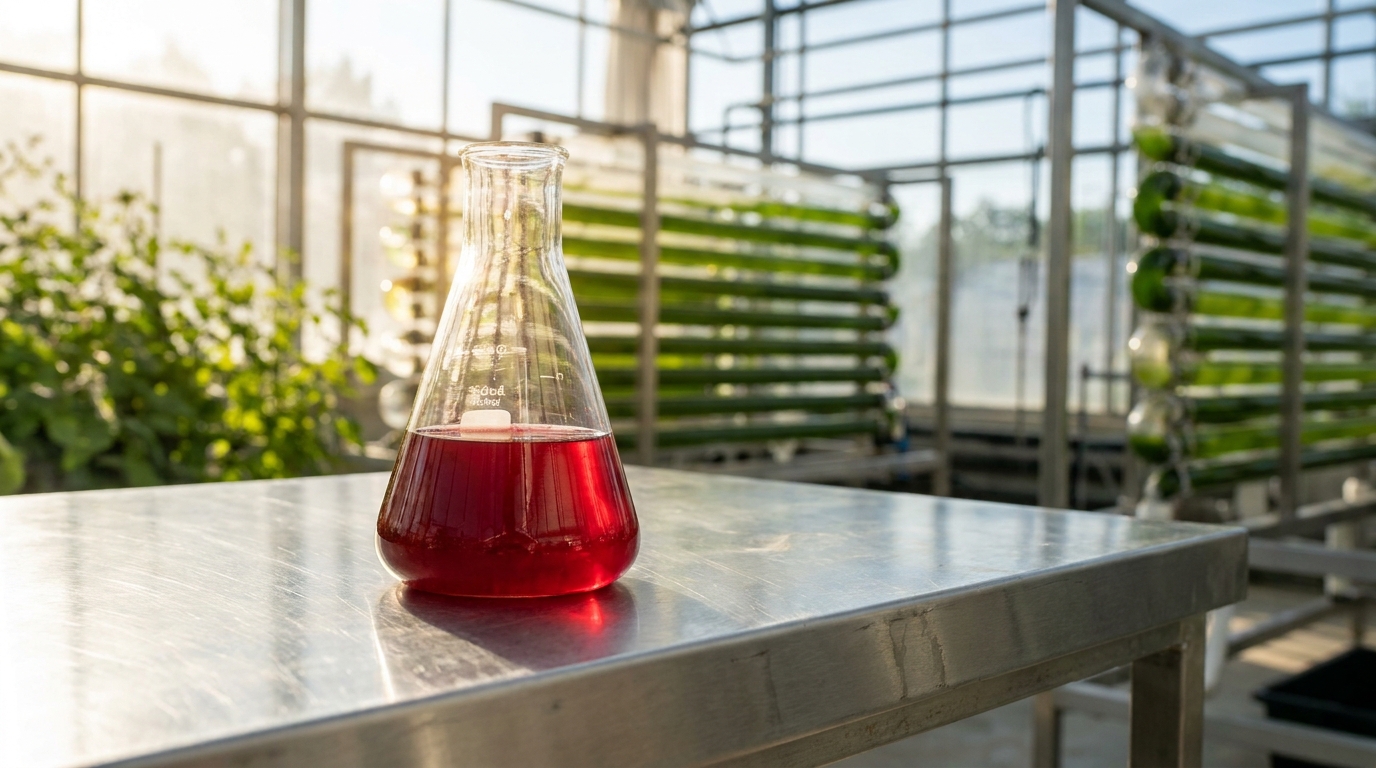
Haematococcus pluvialis is a freshwater microalga known for its unique biological survival mechanism. Under stable conditions, these algae cells remain green and actively reproduce. When exposed to environmental stress like intense sunlight or nutrient starvation, they enter a defensive resting phase. During this phase, they accumulate massive amounts of astaxanthin to protect their DNA from oxidative damage. This stress response makes the microalgae the most concentrated natural source of this powerful antioxidant.
Natural Microalgae vs. Synthetic Alternatives
Buyers must distinguish between natural microalgae extracts and synthetic variants. Synthetic astaxanthin is typically manufactured from petrochemical derivatives. While cheaper to produce, it lacks the esterified molecular structure found in natural microalgae, which significantly impacts how the human body absorbs and utilizes the compound. Regulatory bodies and health-conscious consumers strongly prefer natural extracts for their superior safety profile and alignment with clean-label market trends.
| Feature | Natural Astaxanthin (H. pluvialis) | Synthetic Astaxanthin |
|---|---|---|
| Source Material | Cultivated freshwater microalgae | Petrochemical derivatives |
| Molecular Structure | Primarily esterified (bound to fatty acids) | Free (unesterified) form |
| Market Preference | High demand in premium supplements and skincare | Low demand; largely restricted to cheap animal feed |
| Safety Profile | Generally Recognized as Safe (GRAS) for humans | Often restricted in human dietary supplements |
Primary Industry Applications
The versatile nature of natural astaxanthin powder and oleoresin allows for diverse applications across multiple global industries.
- Human Nutrition: Formulators use standardized extracts in capsules, gummies, and functional foods to support eye, skin, and cardiovascular health.
- Personal Care: Cosmetic manufacturers incorporate these extracts into anti-aging creams and serums. The compound helps neutralize free radicals and protects skin against environmental stressors.
- Animal Nutrition: Premium feed formulations utilize astaxanthin to enhance pigmentation in aquaculture and support immune function in livestock.
- Pharmaceutical Formulations: Specialized medicinal products rely on high-purity extracts that meet strict pharmacopeia standards.
Why Choose Microalgae Over Other Sources?
When sourcing botanical antioxidants, H. pluvialis consistently outperforms alternative biological sources like Phaffia rhodozyma (yeast) or marine krill. Microalgae yield a significantly higher concentration of active astaxanthin per gram of biomass, and controlled algae cultivation is highly sustainable. Choosing microalgae avoids the marine ecosystem depletion associated with commercial krill harvesting. For global ingredient suppliers like SOHO Honry Chemical, microalgae extraction aligns perfectly with the production of NON-GMO, ALLERGEN FREE, and vegan-friendly ingredients. Manufacturers select this specific botanical source to meet strict clean-label requirements while ensuring maximum bioactive potency for their end consumers.
Extraction Methods: Producing Natural Astaxanthin Powder and Oleoresin
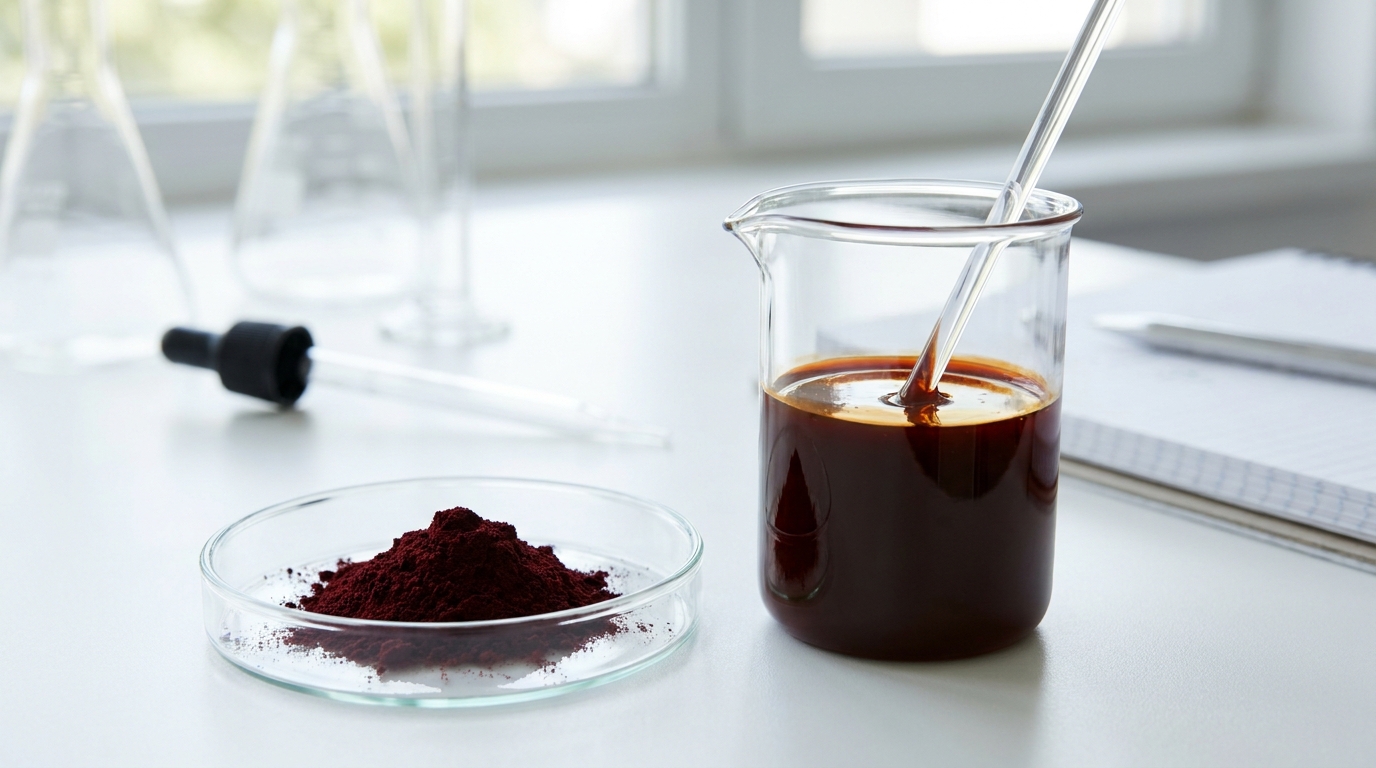
Transforming raw microalgae biomass into standardized active botanical extracts requires absolute precision. Once the Haematococcus pluvialis cells enter their defensive red phase, they are harvested and carefully dried. The microalgae possess exceptionally tough cellular walls that must be cracked open to release the valuable antioxidants trapped inside.
Protecting Delicate Active Compounds
Astaxanthin is highly sensitive to heat, light, and oxygen. Exposure to harsh conditions can quickly degrade its bioactive potency. Therefore, processing requires advanced extraction equipment operated within strictly controlled environments. Reliable suppliers utilize GMP-certified facilities to ensure the extraction environment protects the extract’s structural integrity. Closed-loop systems are often employed to prevent unwanted oxidation during processing.
Common Extraction Methodologies
Manufacturers typically use either supercritical CO2 or solvent-based extraction methods. The chosen methodology directly impacts the final product format.
- Supercritical CO2 Extraction: This method applies high pressure and carbon dioxide to pull the astaxanthin from the cracked biomass. It operates at lower temperatures and leaves no chemical residue. This makes it ideal for premium clean-label supplements.
- Solvent Extraction: This process uses food-grade solvents to isolate the active compounds. It requires rigorous post-extraction purification to remove residual solvents. When properly executed, it produces highly concentrated, standardized extracts.
Choosing Between Powder and Oleoresin
The extraction process yields two primary commercial formats. Buyers must select the correct format for their specific manufacturing matrix.
| Format | Physical State | Formulation Traits | Best Applications |
|---|---|---|---|
| Natural Astaxanthin Powder | Fine, dark red powder | Often microencapsulated for stability and cold-water dispersibility. | Tablets, hard capsules, dry beverage mixes, and nutritional gummies. |
| Oleoresin | Viscous, dark red liquid oil | Excellent lipid solubility. Blends easily with other carrier oils. | Softgels, oil-based cosmetics, liquid tinctures, and specialized serums. |
Verifying Extraction Purity
Regardless of the extraction method or chosen format, verifying the concentration of standardized actives is mandatory. High-Performance Liquid Chromatography (HPLC) testing is the industry standard for this verification, accurately confirming that the extract meets its stated purity levels without adulteration. Always request a formal COA before finalizing any bulk wholesale agreements to confirm the HPLC metrics and ensure the extract meets your exact manufacturing specifications.
Ensuring Extract Purity: HPLC Testing and Anti-Adulteration
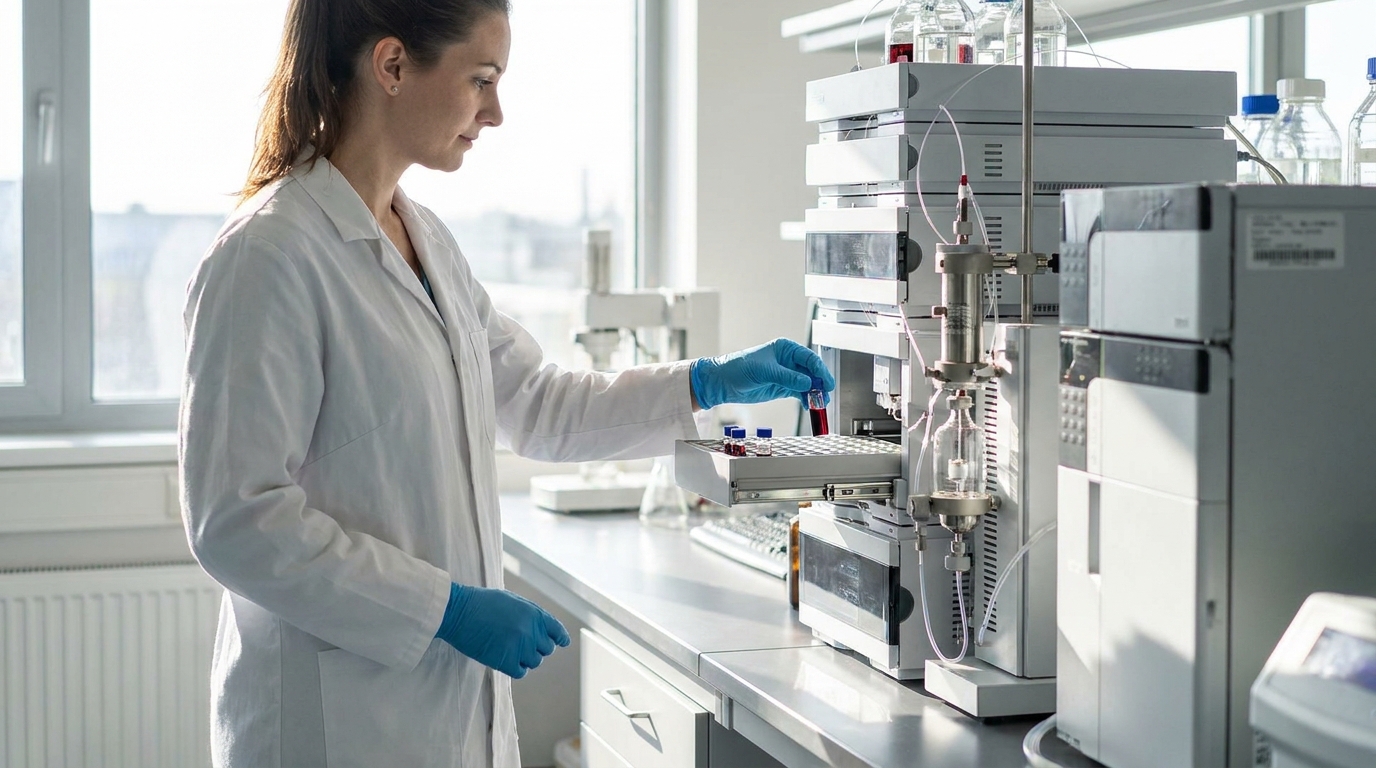
Global botanical extract supply chains face persistent adulteration risks. Unscrupulous vendors may blend premium microalgae with cheaper synthetic variants or undeclared fillers. These practices compromise product efficacy and pose serious regulatory risks for manufacturers. Protecting your formulation requires strict anti-adulteration policies and rigorous analytical verification.
The Critical Role of HPLC Assays
Visual inspection cannot determine the true concentration of standardized actives. High-Performance Liquid Chromatography (HPLC) remains the definitive analytical tool for verifying astaxanthin purity. This advanced testing method separates the extract into its individual molecular components. During an HPLC assay, technicians measure the exact percentage of active compounds present, easily identifying synthetic additives, residual solvents, and unwanted biological contaminants. Sourcing pure botanical extracts demands reliance on these precise chromatographic measurements rather than subjective supplier claims.
Validating Quality Through International Standards
In-house laboratory testing provides a baseline for quality control, but objective quality metrics require validation against recognized international frameworks. Testing protocols aligned with Eurofin and SGS standards ensure globally accepted accuracy and transparency. Facilities operating under strict FSSC, BRC, ISO, and GMP certifications provide a robust infrastructure, guaranteeing that every batch meets exact pharmaceutical and nutritional specifications.
Practical Steps for Bulk Sourcing
Procuring raw ingredients requires careful documentation. Never finalize bulk wholesale agreements without reviewing formal batch records. Always require a comprehensive COA before authorizing any shipment.
- Verify active concentration: Ensure the document lists exact HPLC assay results for the active compounds.
- Check safety limits: Confirm the batch passes strict limits for heavy metals and microbiological contaminants.
- Confirm certifications: Look for supporting facility credentials, such as WHO-GMP or cGMP compliance.
- Demand anti-adulteration guarantees: Require explicit written statements confirming the extract is derived entirely from natural microalgae.
By enforcing these documentation standards, buyers can confidently secure pure, highly active ingredients for their premium health formulations.
Evaluating Supplier Certifications and Manufacturing Standards
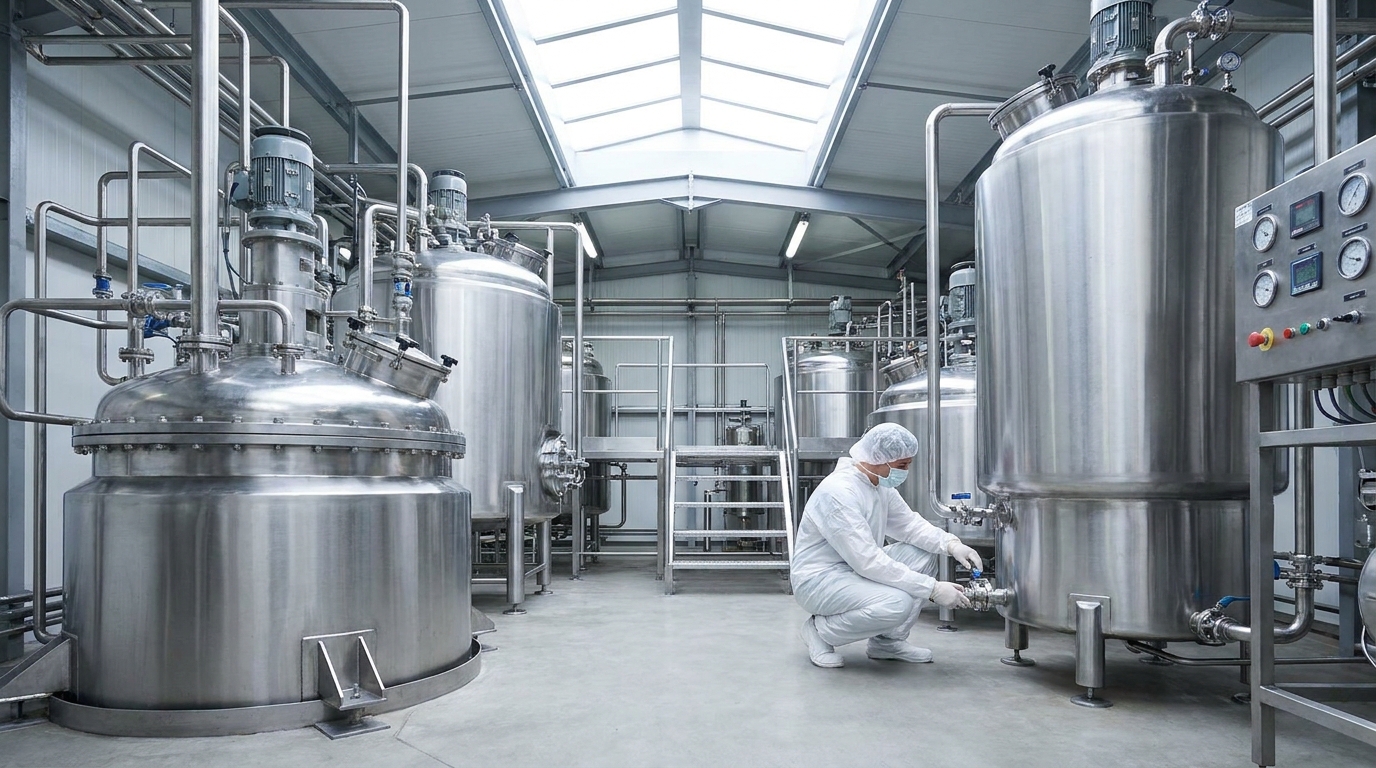
Sourcing pure botanical extracts goes beyond verifying batch documents. Buyers must thoroughly vet global chemical ingredient suppliers. A robust supply chain relies on strong infrastructure and dedicated technical support. Evaluating these core elements ensures you receive consistent, high-quality materials for your formulations.
Essential Facility Certifications
Strict manufacturing standards prevent contamination and ensure product stability. Always demand proof of recognized facility credentials before placing bulk wholesale orders. Leading suppliers maintain compliance with several international frameworks to guarantee safety.
- GMP and ISO: Good Manufacturing Practice (GMP) and ISO certifications guarantee consistent production environments. They are non-negotiable baselines for pharmaceutical and nutritional ingredients.
- FSSC and BRC: These advanced food safety certifications demonstrate a proactive approach to risk management. They verify that the facility meets rigorous global safety benchmarks.
Required Product-Specific Qualifications
Facility credentials cover the general manufacturing environment, but individual products need their own validations. Broad market appeal requires specific dietary and safety qualifications. When sourcing natural astaxanthin powder, check for the following product certificates:
- HALAL and KOSHER: These certifications ensure the extract complies with strict religious dietary laws. They are essential for global market distribution.
- NON-GMO: Consumers increasingly demand natural ingredients free from genetic modification. This certification builds immediate brand trust.
- ALLERGEN FREE: Cross-contamination with common allergens can trigger severe health reactions. Explicit allergen-free statements protect both end consumers and your brand reputation.
The Value of Advanced R&D Capabilities
A supplier’s research and development infrastructure directly impacts ingredient quality. Advanced extraction and testing require highly trained professionals and modern laboratory equipment. SOHO Honry Chemical exemplifies this commitment to technical innovation by maintaining deep cooperation with top Chinese institutions, including Nanjing Agricultural University and China Pharmaceutical University. Their dedicated R&D team features more than 25 technicians, led by two PhDs from top universities. This strong technical support guarantees that every batch meets exact specifications before shipping, while annual third-party audits objectively validate these internal quality controls.
Common Mistakes to Avoid When Sourcing Astaxanthin Wholesale
Procuring bulk botanical ingredients requires strict attention to detail. Buyers often make critical errors that compromise product quality and safety. Avoiding these common pitfalls ensures a stable, reliable supply chain for your formulations.
Trusting Subjective Marketing Claims
Many buyers mistakenly rely on vague promotional language. Phrases like “premium herbal extracts” sound impressive but lack objective value. These subjective terms cannot replace verifiable analytical metrics. Instead of trusting marketing materials, demand hard data. Rely on precise HPLC testing results to confirm active compound concentrations, and always request recent third-party audit reports to objectively validate the supplier’s internal quality controls.
Skipping Batch-Specific Documentation
Failing to secure proper documentation is a major sourcing risk. A generic specification sheet from the supplier is never sufficient; every single delivery requires its own batch-specific COA. Whether you are purchasing natural astaxanthin powder or liquid oleoresin, verify the paperwork. The COA must exactly match the received lot number, proving that the specific shipment meets your strict purity and safety standards.
Overlooking Supplier Infrastructure
Focusing solely on unit price often leads buyers to ignore a supplier’s technological infrastructure. Complex manufacturing requires more than just basic raw materials, as different products demand tailored ingredient solutions. For example, formulating gummy candies, cosmetics, or pharmaceutical injections requires distinct ingredient specifications. Global manufacturers like SOHO Honry Chemical provide advanced equipment and a robust supply chain, delivering customized solutions that prevent costly formulation failures on your production line.
Ignoring Sourcing Terms and Support
Unclear wholesale sourcing terms create significant supply chain vulnerabilities. Always establish explicit anti-adulteration guarantees in your purchasing contracts, as this legal protection is vital for maintaining product integrity. Additionally, do not underestimate the value of responsive technical support. A professional partnership team helps resolve unexpected formulation challenges quickly, ensuring your production continues smoothly without unnecessary delays.
Frequently Asked Questions About Astaxanthin Sourcing
How can I verify the purity of bulk astaxanthin extracts?
To ensure purity and avoid adulteration, buyers should request a formal Certificate of Analysis (COA) for every single batch. The COA must include High-Performance Liquid Chromatography (HPLC) test results. HPLC is the definitive industry standard for measuring the exact concentration of active botanical compounds and detecting synthetic additives or contaminants.
What is the difference between astaxanthin powder and oleoresin?
The best choice depends on your manufacturing needs. Natural astaxanthin powder is a fine, dark red powder often microencapsulated for stability and cold-water dispersibility, making it ideal for tablets, dry beverage mixes, and gummies. Oleoresin is a viscous, dark red liquid oil with excellent lipid solubility, which is perfect for softgels, liquid tinctures, and oil-based cosmetics.
Why is Haematococcus pluvialis preferred over synthetic astaxanthin?
Haematococcus pluvialis is a freshwater microalgae that produces natural astaxanthin with an esterified molecular structure, which the human body absorbs easily. Synthetic variants are manufactured from petrochemicals, lack this bound structure, and are often restricted in human supplements. Natural microalgae extraction offers a superior safety profile and aligns with clean-label trends.
What certifications should a reliable botanical ingredient supplier hold?
A trustworthy supplier should maintain globally recognized facility credentials like GMP, ISO, FSSC, and BRC to ensure strict manufacturing and safety standards. For the product itself, look for HALAL, KOSHER, NON-GMO, and ALLERGEN FREE certifications. SOHO Honry Chemical also undergoes annual third-party audits and tests products against Eurofin and SGS standards.
Can natural astaxanthin be used in cosmetic and personal care products?
Yes, natural astaxanthin is highly valued in the personal care industry. Cosmetic manufacturers frequently incorporate astaxanthin oleoresin into anti-aging creams, lotions, and specialized serums. Its powerful antioxidant properties help neutralize free radicals and protect the skin against environmental stressors.
Conclusion
Sourcing high-quality astaxanthin requires understanding extraction methods, verifying purity, and vetting suppliers. Prioritize HPLC testing and strict anti-adulteration guarantees to ensure safety. Partner with established global ingredient suppliers that offer verifiable quality control and scientific innovation.
To learn more about our manufacturing capabilities, quality certifications and global supply record, visit about us.
- Request a batch-specific COA before purchasing bulk orders.
- Verify HPLC test results against SGS or Eurofin standards.
- Confirm facility certifications like GMP, ISO, and FSSC.
