
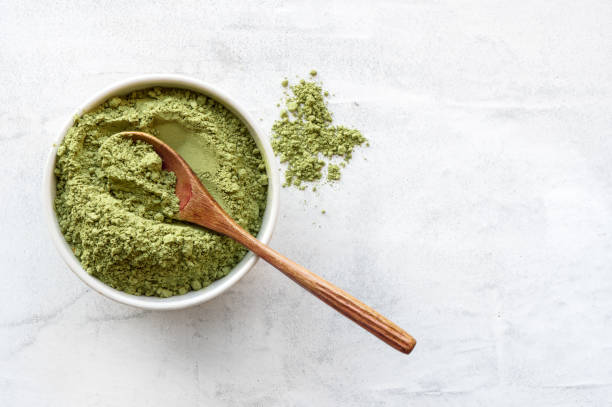
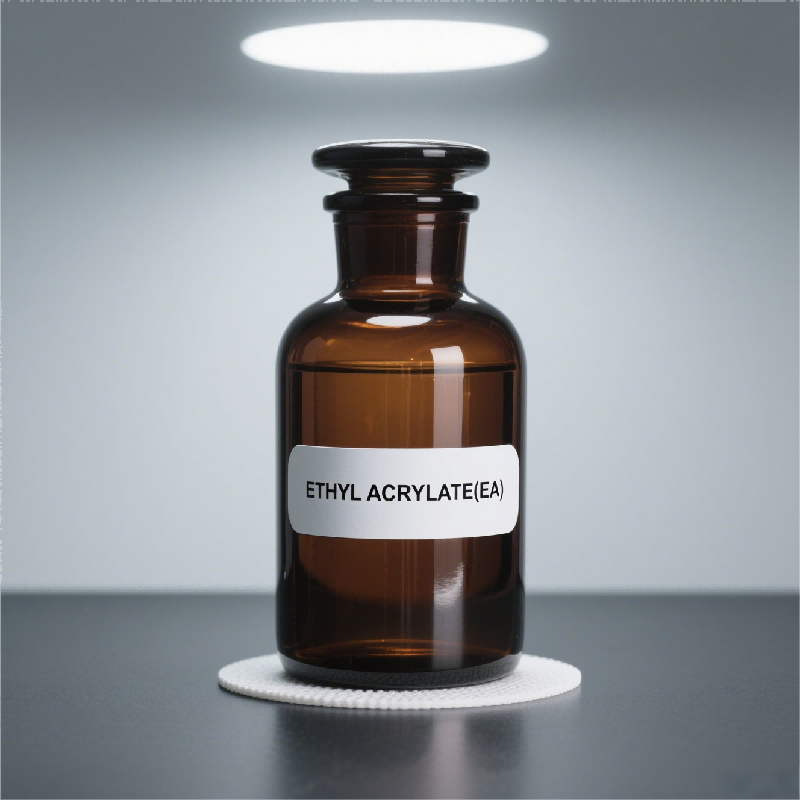

No. Sodium carbonate is not baking soda. Sodium carbonate is Na2CO3 and is commonly called soda ash or washing soda. Baking soda is sodium bicarbonate, NaHCO3. They are related alkaline compounds, but their chemistry, strength, grades, applications, and purchasing requirements are different. This guide explains the difference for consumers, product developers, and industrial buyers.
Quick Answer
Sodium carbonate is a stronger alkaline salt than sodium bicarbonate. Baking soda refers specifically to sodium bicarbonate. Do not substitute one for the other in a formula, industrial process, food application, cleaning product, or water-treatment program without confirming the approved chemistry and instructions.
Sodium carbonate is widely used as soda ash in glass, detergents, soaps, chemical manufacturing, textiles, pulp and paper, and water treatment. It is an industrial raw material, although some consumer products may use sodium carbonate under the names washing soda or soda crystals.
For procurement, the term “soda ash” is not yet a complete specification. Buyers must distinguish dense soda ash, light soda ash, food or other specialty grades, particle size, purity, packaging, certificates, destination-market requirements, and intended use.
Sodium Carbonate and Baking Soda Are Different Chemicals
| Nombre | Formula | Common names | Practical distinction |
| Sodium carbonate | Na2CO3 | Soda ash, washing soda, soda crystals | Stronger alkaline industrial and cleaning chemical |
| Sodium bicarbonate | NaHCO3 | Baking soda, bicarbonate of soda | Milder alkaline compound used in baking and other applications |
The difference in formula is not cosmetic. Sodium carbonate contains the carbonate ion in a different sodium salt form than sodium bicarbonate. In water, sodium carbonate provides a more strongly alkaline solution. That changes its role in pH adjustment, detergency, cleaning, textile processing, and chemical production.
Baking soda is known for controlled food uses because it reacts with an acid to release carbon dioxide. Sodium carbonate has a different purpose. Some food manufacturing and culinary applications may use specifically approved sodium carbonate grades, but that does not make industrial soda ash interchangeable with a consumer baking ingredient.
The safe rule is to buy and use the chemical named in the approved formula, standard, process instruction, or specification. Chemical names on a purchase order, certificate of analysis, SDS, and product label should agree.
What Is Soda Ash
Soda ash is the common industrial name for sodium carbonate. It is usually supplied as a white granular or powdery solid. Sodium carbonate may come from natural mineral sources, including trona, or from synthetic production routes. Its commercial importance comes from its alkalinity and its ability to supply sodium and carbonate values in many industrial processes.
The U.S. Environmental Protection Agency describes sodium carbonate as an inorganic salt used in glass, detergents, soaps, chemicals, and water treatment. In glassmaking, it acts as a flux that helps lower the melting temperature of silica. This is why glass has historically been a major end-use market for soda ash.
Sodium carbonate also appears in textile, paper, metallurgy, flue-gas treatment, and chemical manufacturing contexts. Yet each sector works to its own quality and process requirements. A general soda ash description cannot establish suitability for a specific factory, product, or regulated application.
Soda Ash Dense vs Light Soda Ash
Dense soda ash and light soda ash are both sodium carbonate. Their key difference is physical form, especially bulk density and particle-size distribution. The chemical assay may be similar, but flow, dust behavior, storage volume, conveying, dissolution, and process suitability can differ.
Soda ash dense, also written sodium carbonate dense or dense soda ash, generally has larger, denser granules. It is commonly selected for glass manufacturing and applications where lower dust and stable handling characteristics are helpful. Light soda ash usually has lower bulk density and finer particles, making it useful in many detergent and chemical processes.
Do not choose only by the word “dense.” Confirm the supplier’s current technical data sheet, including sodium carbonate content, bulk density, screen analysis, moisture or volatile matter, insolubles, chloride, sulfate, iron, packaging, and test methods. Values and guarantees vary by producer and grade.
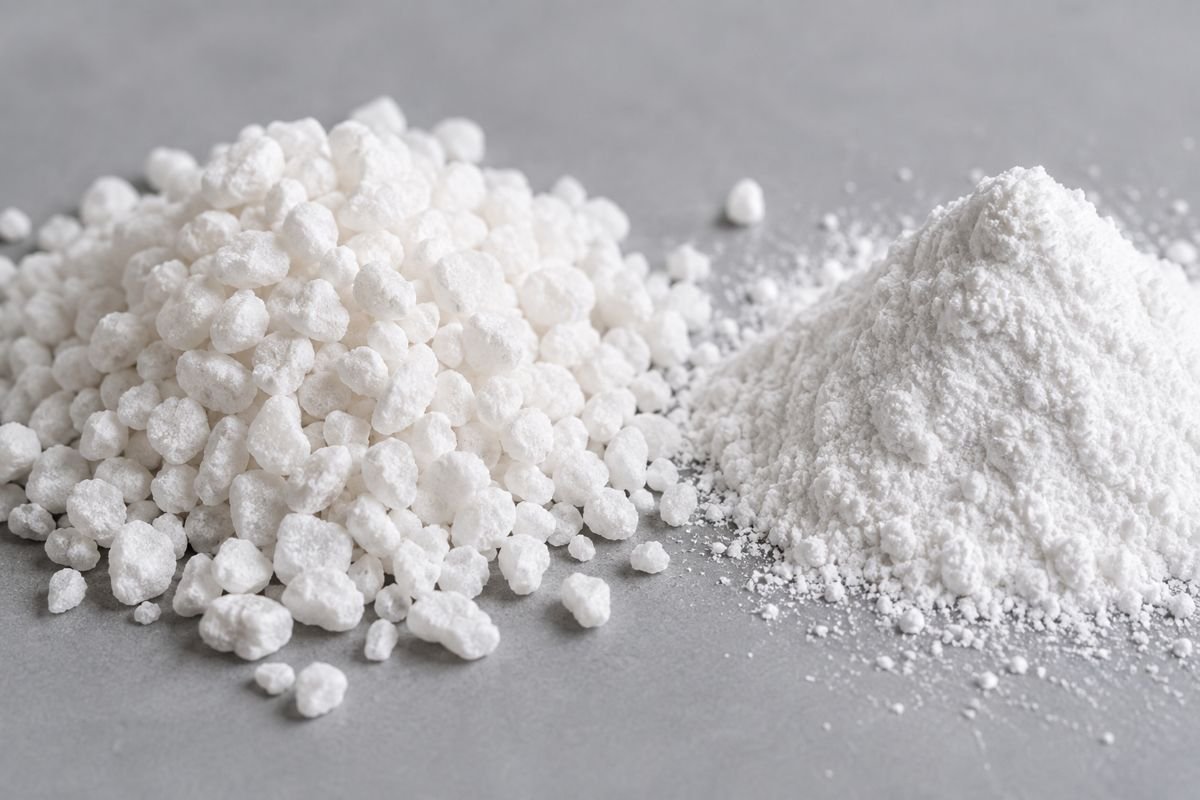
Image 2. Dense and light soda ash can share the same chemical identity while differing in physical specification.
| Selection factor | Dense soda ash | Light soda ash |
| Typical physical profile | Higher bulk density and coarser granules | Lower bulk density and finer particles |
| Often considered for | Glass and handling-sensitive bulk applications | Detergents and chemical applications |
| Buyer must verify | Screen analysis, density, dust, conveyance fit | Dissolution behavior, dust, packing, process fit |
| Not a valid assumption | That every dense grade has identical purity | That every light grade dissolves or performs identically |
Why Sodium Carbonate Is Not a Drop In Replacement for Baking Soda
A stronger alkali can materially change pH, reaction speed, cleaning performance, taste, product stability, worker exposure, wastewater behavior, and equipment compatibility. That is why a sodium carbonate substitution should never be made casually. The correct choice depends on the actual formulation, concentration, regulatory status, and technical validation.
For baking or food preparation, use only the ingredient specifically required by the recipe or validated production formula. Industrial sodium carbonate should not be treated as food-grade merely because sodium carbonate can exist in approved food-related applications. Grade, purity, contaminant limits, documentation, and local rules matter.
For cleaning, sodium carbonate may be present in products made for laundry or heavy-duty household uses, but labels and manufacturer directions control. For industrial processes, use the approved SDS and site procedures. This article gives selection guidance, not formulation or operating instructions.
Common Uses of Sodium Carbonate
Glass manufacturing is a defining use for sodium carbonate. The material helps lower silica melting temperatures, contributing to container glass, flat glass, fiberglass, and other glass production routes. The selected grade must match the furnace process and the buyer’s particle, impurity, and logistics needs.
Detergents and cleaning products use sodium carbonate as an alkaline builder and water-softening component. In manufacturing, the balance of alkalinity, particle size, solubility, compatibility, and finished-product claims needs formulation-specific review. Do not infer performance from a generic soda ash description.
Water treatment may use sodium carbonate for pH adjustment, alkalinity, and water softening. This is a controlled application. A facility must select an appropriate grade and comply with applicable standards, operational validation, and local regulations.
Textile processors may use sodium carbonate as a pH-adjusting chemical, for example in dyeing or other treatment systems. The exact recipe, dye class, fabric, water quality, and process controls determine suitability. Honry Chemical’s Basic Chemicals supplier page identifies sodium carbonate as a pH-adjuster example within its textile market information.
How to Choose a Sodium Carbonate Grade
Start with the final use, not with the lowest price. A glass plant, detergent blender, textile dye house, water-treatment facility, and food-related manufacturer may all ask for sodium carbonate, but they can require different physical properties, documents, packaging, compliance scope, and supplier support.
Then define the technical target. Include chemical name, CAS number where relevant, intended grade, sodium carbonate assay, bulk density, particle size, permitted impurity limits, water-insoluble content, packaging, batch traceability, shelf-life expectation, and any application-specific certificates.
Finally, approve an evidence chain. Request a current technical data sheet, safety data sheet, certificate of analysis, origin information where needed, packaging specification, and change-notification commitment. If the material will be used in a regulated product or process, obtain the relevant certification and internal approval before purchase.
Buying Dense Soda Ash for Industrial Use
Dense soda ash is a material choice, not simply a heavier bag. Its granular form can be useful where bulk flow, dust management, segregation control, or glass-furnace feed behavior matter. The right grade must still be confirmed against the buyer’s process and handling system.
A purchasing request for sodium carbonate dense should state whether the material will be used in glass, water treatment, chemical production, or another application. It should also state the required assay, bulk density range, particle-size distribution, impurity limits, packing format, delivery terms, and required documents.
Honry Chemical’s Basic Chemicals supplier page lists both sodium carbonate (soda ash) light and sodium carbonate (soda ash) dense. It is a useful starting point for an industrial inquiry, but buyers should confirm current product availability, grade, documentation, origin, and specification directly before making a sourcing decision.

Image 3. Glass manufacturing is a core soda ash application, but grade selection remains process-specific.
Storage Handling and Quality Control
Sodium carbonate is hygroscopic, meaning it can absorb moisture from the air. A dry, protected storage environment helps preserve product condition. Humidity, damaged packaging, contamination, and poor stock rotation can affect flow and usable quality. Always follow the current SDS, supplier documentation, and site-specific EHS requirements.
Receiving checks should compare the delivered product against the purchase order and approved specification. Verify labels, lot numbers, package integrity, certificate of analysis, material identity, and relevant transport documents. If a critical parameter is missing or inconsistent, use the organization’s quality hold process rather than assuming equivalence.
For bulk systems, powder behavior, dust control, and material-transfer suitability should be addressed through qualified engineering and EHS review. This article intentionally does not provide operating instructions. It is better to use the supplier’s SDS and TDS along with site procedures than to apply generic handling advice.
How Sodium Carbonate Is Produced and Why It Matters
Commercial sodium carbonate can be produced from natural deposits or synthetic processes. Natural soda ash is associated with mineral sources such as trona. Synthetic soda ash is commonly linked with the Solvay process, which uses brine, ammonia, and carbon dioxide to form sodium bicarbonate before conversion to sodium carbonate. Buyers do not need to run either process to make a sound purchasing decision, but they should understand that source and production route can influence the commercial supply chain.
The source does not remove the need for specification control. A glass manufacturer may prioritize a controlled granular dense grade. A detergent producer may focus on a light grade with defined particle behavior. A water-treatment program may require a grade and certification appropriate to that regulated use. Each buyer should base approval on current documentation and application testing rather than an assumption about natural or synthetic origin.
For a sourcing review, record the producer or origin where needed, grade name, chemical identity, relevant quality certificates, packaging, expected route to market, and change-notification procedure. This level of documentation is more useful than a broad product claim and supports traceability if a formulation, customer, or regulatory requirement changes later.
Application Selection by Industry
| Industry | What sodium carbonate contributes | What the buyer should confirm |
| Glass | Fluxing support in silica-based glass processes | Dense-grade particle specification, assay, iron and other limits |
| Detergentes | Alkalinity and water-softening support | Grade, dust, particle behavior, blend compatibility, finished-product testing |
| Textiles | pH adjustment in controlled dyeing or treatment processes | Approved recipe, water quality, dye and fabric compatibility, process validation |
| Water treatment | pH adjustment, alkalinity, and softening roles | Approved grade, certifications, local rules, treatment validation |
| Chemical manufacture | Alkaline raw material or intermediate input | Assay, impurity limits, reaction requirements, change control |
The application should shape the purchase specification. A statement such as sodium carbonate for manufacturing is too broad for reliable quality control. It leaves unanswered whether the operation needs a dense granular material, a light grade, a solution, a particular impurity profile, or special compliance records.
Companies should also distinguish between a raw material role and a finished product claim. Sodium carbonate may help create a desired pH or performance effect, but the final product must be evaluated and labeled based on its own formula, intended use, applicable standards, and market rules. Do not carry a raw-material claim automatically into consumer-facing marketing.
Food Related and Consumer Product Boundaries
Questions about baking soda often lead readers to ask whether sodium carbonate can be treated as a kitchen ingredient. The answer is not a simple yes or no. Sodium carbonate may appear in certain food-related processes or approved products under controlled conditions, but this depends on the correct grade, purity, formulation, labeling, and local regulatory framework. An industrial dense soda ash specification is not a substitute for a food-grade specification.
For consumer cleaning products, sodium carbonate may be intentionally used in a finished formula designed and labeled for that purpose. Consumers should follow the product label. Brands should support any performance, safety, or compatibility claim through formulation work and relevant testing. An ingredient name alone does not determine the correct household use or dilution.
If a buyer operates across several markets, regulatory review should be included before commercialization. Confirm the permitted material identity, grade, contaminants, supporting records, labeling language, and any customer-specific requirements. Legal, regulatory, quality, and technical teams should approve the intended route.
Supplier Qualification and Documentation
A dependable supplier should support more than a price quotation. Buyers need a traceable product identity, a current specification, batch documentation, safety information, packing details, and clear communication if a raw material source, process, or specification changes.
Honry Chemical groups industrial products under defined categories, including Productos químicos básicos y Productos Químicos para Tratamiento de Agua. For a sodium carbonate project, begin with the relevant category page, then ask for the exact grade, current TDS and SDS, applicable certificates, sample availability, packaging, lead time, and destination-market documentation.
For water-related projects, review the Water Treatment Chemicals category alongside your own technical and regulatory requirements. Category pages describe a company’s scope; they do not replace application validation or confirm that a specific lot is approved for every use.
For quotation or technical-document requests, use the Honry Chemical contact page and provide the intended use, grade, specification, annual quantity, packing, and destination market. This keeps the inquiry aligned with industrial sourcing rather than consumer use.

Image 4. A certificate of analysis and an approved specification are central to sodium carbonate procurement.
A Practical Purchase Order Checklist
A complete purchase order reduces avoidable mismatches. Identify the material as sodium carbonate or soda ash and include the approved grade: dense, light, or another defined grade. Add the required assay and physical property limits, packing configuration, quantity, destination, delivery terms, label language, and documents needed before shipment.
Ask the supplier to provide the current TDS and SDS before final approval. For each delivered lot, require a COA that can be linked to the package and shipping paperwork. If a customer or market requires third-party certification, state that requirement up front. Do not wait until after arrival to determine whether the documentation is sufficient.
For recurring supply, agree on a process for supplier, origin, grade, specification, or manufacturing changes. The intent is not bureaucracy. It is to ensure the receiving team can review a change before it affects quality, regulatory status, material flow, or customer commitments.
Common Sodium Carbonate Mistakes to Avoid
Do not call sodium carbonate baking soda. Baking soda is sodium bicarbonate. Use the formula and correct name to prevent a formulation, labeling, or purchase-order error.
Do not confuse dense soda ash with a higher-purity chemical. Dense and light describe physical grade characteristics. Purity and impurity limits must be checked in the current product specification.
Do not use an industrial chemical for food, beverage, pharmaceutical, or drinking-water applications without confirming the correct grade, documentation, and local compliance requirements.
Do not rely on an old certificate or generic online description. Use the current SDS, TDS, COA, and approved product specification for each purchase and application.
Managing Supply Continuity Without Compromising Quality
Sodium carbonate supply planning should balance availability, quality, and application fit. A second source may help reduce commercial risk, but it should not be considered equivalent until the technical, quality, regulatory, and operations teams have reviewed the proposed grade. Even when two products both state sodium carbonate, they may differ in bulk density, particle-size distribution, impurity profile, packaging, or document package.
Maintain an approved-material record for each application. The record can identify the exact grade, supplier, specification revision, sample status, approved uses, critical tests, packaging, and change-control owner. This creates a practical link between purchasing and production. It also prevents a buyer from substituting dense soda ash for light soda ash merely because both are available in the market.
A useful review cadence includes checking SDS and TDS revisions, COA trends, delivery performance, packaging integrity, supply origin, and any changes to the customer or destination-market requirements. If the material is used in a regulated or safety-sensitive process, strengthen the review with the organization’s formal quality and compliance procedures.
The aim is a dependable approved supply route, not a claim that one grade will work everywhere. When a change is proposed, document why it is needed, compare it with the approved material, obtain the required internal approvals, and retain the decision record. This disciplined approach helps protect product consistency and avoids unplanned process adjustments.
Preguntas frecuentes
Is sodium carbonate just baking soda?
No. Sodium carbonate is Na2CO3; baking soda is sodium bicarbonate, NaHCO3. They are different compounds.
Is soda ash the same as sodium carbonate?
Yes. Soda ash is the common industrial name for sodium carbonate.
What is dense soda ash?
It is a high-bulk-density granular form of sodium carbonate. Confirm the supplier’s current density, screen analysis, and chemical limits.
Is sodium carbonate dense the same as light soda ash?
They are both sodium carbonate but differ in physical form and typical applications. Neither is automatically better for every process.
What is sodium carbonate used for?
Major uses include glass, detergents, soaps, chemical manufacturing, textiles, water treatment, pulp and paper, and other industrial processes.
Can sodium carbonate be used in food?
Only an appropriate, documented grade used within applicable regulations and an approved formulation should be considered. Industrial soda ash is not automatically suitable.
What should I ask a sodium carbonate supplier?
Ask for the exact grade, current TDS, SDS, COA, assay, bulk density, particle size, impurity limits, packaging, origin, lead time, and compliance documentation.
Final Recommendation
Sodium carbonate is not baking soda. It is soda ash, an important industrial alkali used across glass, detergents, textiles, water treatment, and chemical manufacturing. Baking soda is sodium bicarbonate and should be treated as a separate chemical.
For sourcing, choose the exact sodium carbonate grade your process requires. Dense soda ash can be the right option where higher bulk density and granular behavior matter, while light soda ash may fit other applications. Let the technical specification, current supplier documents, testing, and application requirements guide the decision.
