 Skip to content


When it comes to modern health, wellness, and anti-aging discussions, antioxidants are frequently celebrated as the ultimate “superheroes” of the human body. From brightly colored berries and leafy greens to highly marketed dietary supplements and skincare products, antioxidants are universally praised for their purported ability to fend off diseases, particularly cancer. A common question among health-conscious individuals and those looking into preventive medicine is: how exactly do antioxidants help to prevent cancer?
To understand the answer, we must first define what antioxidants are. In simple, easy-to-understand language, antioxidants are powerful molecules that fight against unstable, damaging molecules in your body known as free radicals. By neutralizing these harmful substances, antioxidants protect your cells from severe damage.
However, while it is a scientific fact that antioxidants do indeed help prevent cancer at the cellular level by mitigating DNA damage, there is a massive catch that most people miss. The core thesis of modern oncological research is this: the effectiveness of antioxidants depends entirely on how they enter our bodies. The antioxidants you consume through a balanced diet of natural, whole foods work synergistically to protect your health, whereas high-dose isolated antioxidants found in synthetic supplements act vastly differently—and can sometimes even be harmful. In this comprehensive guide, we will explore the biological mechanisms of antioxidants, the crucial difference between dietary sources and supplements, the complex chemical landscape of modern antioxidants, and actionable advice on how to use antioxidants safely.
The Biological Mechanism: Antioxidants vs. Free Radicals
To comprehend how antioxidants fight cancer, we must zoom in on the microscopic battlefields within our cells. This biological mechanism is a constant push-and-pull between antioxidants and their arch-nemeses: free radicals.
What are Free Radicals?
Every single minute, your body undergoes countless metabolic processes just to keep you alive. As your cells turn the food you eat into usable energy, they naturally produce byproducts. Among these byproducts are highly reactive chemicals known as free radicals, or Reactive Oxygen Species (ROS). Free radicals are molecules that are missing an electron. Because electrons like to exist in pairs, these free radicals wildly scavenge your body, looking to steal an electron from the nearest available healthy cell. Furthermore, human metabolism is not the only source of free radicals. Environmental factors such as prolonged ultraviolet (UV) radiation exposure, air pollution, industrial chemicals, heavy metals, and tobacco smoke drastically increase the production of free radicals in the body, creating a massive demand for antioxidants.
The Danger of Oxidative Stress
When the production of free radicals outpaces the body’s natural supply of antioxidants, a dangerous biological state occurs: oxidative stress. During oxidative stress, these electron-stealing free radicals begin to attack the building blocks of your body. They damage cell membranes (lipid peroxidation), destroy critical proteins, and most importantly, they attack your DNA. When a free radical damages the DNA structure within a cell, it can cause a genetic mutation. If this mutation affects the genes that control cell division and growth (such as tumor suppressor genes or oncogenes), the cell may begin to multiply out of control. This uncontrolled cellular division is the very definition of cancer. Thus, oxidative stress is recognized as a primary catalyst for carcinogenesis, which is exactly why antioxidants are so crucial.

The Rescue Mission
This is where antioxidants execute their microscopic rescue mission. Antioxidants are unique molecules because they have an extra electron that they can afford to give away without becoming unstable themselves. Antioxidants act like generous “donors,” willingly transferring their spare electrons to the volatile free radicals. Once the free radical receives this electron from the antioxidants, it becomes stabilized and neutralized, halting its destructive rampage. By constantly providing these electrons, antioxidants block the chain reaction of DNA damage, thereby preventing the genetic mutations that lead to cancer. Natural biological electron donors like Ascorbic Acid (Vitamin C) and Green Tea Extract (rich in catechins like EGCG) are prime examples of antioxidants executing this vital protective function within our biological systems.
The Crucial Distinction: Dietary Sources vs. Supplements
While the biological mechanism of antioxidants sounds straightforward, the way we consume antioxidants complicates the picture. Today, the term “antioxidants” applies to everything from a fresh apple to industrial food preservatives. We must make a crucial distinction between natural dietary antioxidants and isolated supplements or synthetic additives.
The Power of Whole Foods
When you consume antioxidants through whole foods—such as fruits, vegetables, legumes, and whole grains—you are not just consuming one isolated chemical. You are eating a complex matrix of vitamins, minerals, fibers, and phytochemicals. For example, natural plant sources contain a matrix of beneficial compounds like Mixed Tocopherol (the complete, natural form of Vitamin E) and Rosemary Extract, which naturally protect plant tissues from the sun’s radiation. In the human digestive system, these natural dietary antioxidants work synergistically. These natural antioxidants digest slowly, act locally, and are processed by the body in safe, regulated amounts. The protective benefits against cancer derived from these whole food antioxidants are supported by decades of unquestionable nutritional science.
The Problem with Supplements and Commercial Additives
In contrast, extracted, high-dose antioxidant pills lack the complex interactions found in natural foods. When you take a pill containing 1,000 times the daily recommended dose of isolated antioxidants, its mechanism of action in the body differs entirely. The body is suddenly flooded with specific antioxidants without their natural co-factors.
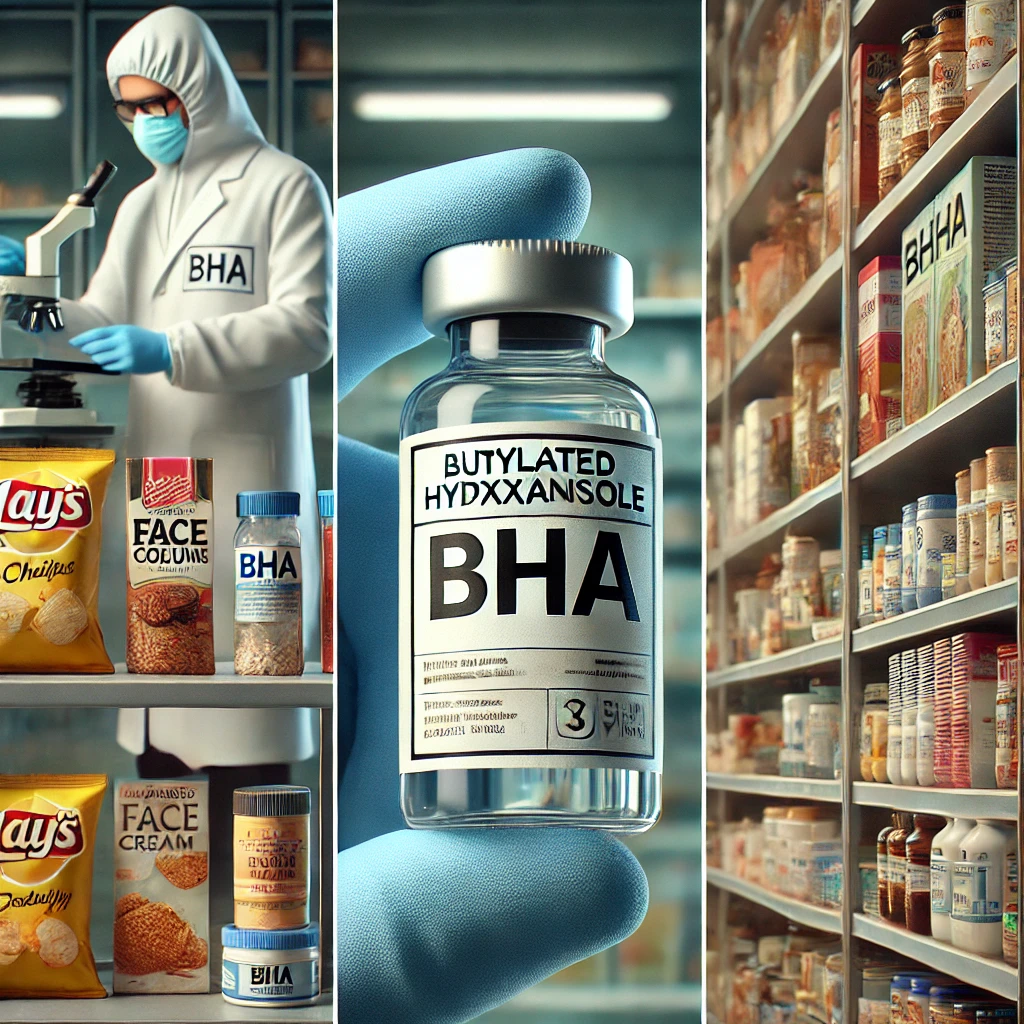
Furthermore, the commercial world utilizes a vast array of synthetic antioxidants primarily designed for food preservation rather than cellular health. Food manufacturers frequently rely on an Antioxidants Formula to extend the shelf life of highly processed foods, preventing fats and oils from going rancid (which is a form of oxidation). To achieve this, a commercial Antioxidants supplier will often provide Wholesale Antioxidants to the global food industry. These include synthetic compounds such as Butylated Hydroxyanisole (BHA), Butylated Hydroxytoluene (BHT), Tertiary Butylhydroquinone (TBHQ), and Propyl Gallate.
While synthetic antioxidants like Butylated Hydroxyanisole and Butylated Hydroxytoluene are highly effective at preventing oxidative spoilage in packaged foods, their role in human health is heavily debated. Some studies suggest that high doses of synthetic preservatives like Tertiary Butylhydroquinone and Propyl Gallate might actually cause cellular toxicity or act as endocrine disruptors when consumed in massive quantities. Therefore, consuming a heavily processed snack fortified with an industrial Antioxidants Formula is absolutely not equivalent to eating a bowl of fresh blueberries when it comes to utilizing antioxidants for cancer prevention.
Comparison Table: Natural Dietary Antioxidants vs. Commercial/Synthetic Antioxidants
| Characteristic | Natural Dietary Antioxidants | Synthetic/Commercial Antioxidants |
|---|---|---|
| Common Sources | Fruits, vegetables, nuts, green tea. | Processed snacks, cosmetics, oils, supplements. |
| Examples | Ascorbic Acid, Green Tea Extract, Mixed Tocopherol, Rosemary Extract. | Butylated Hydroxyanisole (BHA), Butylated Hydroxytoluene (BHT), Tertiary Butylhydroquinone (TBHQ), Propyl Gallate. |
| Primary Purpose | Cellular health, DNA protection, cancer prevention. | Shelf-life extension, preventing lipid oxidation in consumer products. |
| Biological Synergy | High (works with fibers and other phytochemicals). | Low (usually isolated or in synthetic combinations). |
| Safety Profile | Extremely safe; beneficial for long-term health. | Regulated by the FDA, but high doses or accumulation can be controversial. |
The Antioxidant Paradox: What the Research Says
If antioxidants neutralize free radicals, then logically, taking massive amounts of supplements containing antioxidants should provide ultimate protection against cancer, right? Surprisingly, modern clinical research has proven this assumption about antioxidants completely wrong. This brings us to the “Antioxidant Paradox.”
Observational Studies
For decades, epidemiological and observational studies consistently showed a clear trend: populations that eat large amounts of foods rich in antioxidants have a significantly lower risk of developing various cancers. Scientists observed these large groups of people consuming natural diets rich in Vitamin C, Vitamin E, and beta-carotene, and noted their vibrant health. This naturally led scientists and the general public to firmly believe that “antioxidants equal cancer prevention.” The supplement industry boomed, and billions of dollars were spent on pills packed with isolated antioxidants.
Randomized Controlled Trials
To definitively prove that these antioxidants prevented cancer, researchers launched massive, gold-standard Randomized Controlled Trials (RCTs). The results regarding isolated antioxidants were shocking and forced the medical community to rewrite the rules of cancer prevention.
- The ATBC Study (Alpha-Tocopherol, Beta-Carotene Cancer Prevention Study): Researchers gave high doses of beta-carotene (a potent form of antioxidants) to heavy smokers, expecting it to prevent lung cancer. Instead, the trial had to be stopped early because the smokers taking the antioxidants actually saw an 18% increase in lung cancer incidence compared to the placebo group.
- The SELECT Trial (Selenium and Vitamin E Cancer Prevention Trial): Researchers tested whether Vitamin E antioxidants could prevent prostate cancer in healthy men. The results showed that men taking the isolated Vitamin E antioxidants had a 17% higher risk of developing prostate cancer compared to those taking a placebo.
Why the Disconnect?
Why do dietary antioxidants prevent cancer, while high-dose supplements of antioxidants seem to cause or accelerate it? The answer lies in the delicate balance of human biology. High doses of isolated antioxidants can disrupt the body’s natural defense mechanisms. The human body requires a low level of free radicals to function properly; immune cells actually use free radicals as weapons to kill invading bacteria and destroy newly formed cancer cells. By flooding the body with artificial, high-dose antioxidants, you may accidentally disarm your own immune system.
Furthermore, under certain conditions, highly concentrated antioxidants can undergo a chemical flip. Instead of acting as electron donors, these antioxidants become “pro-oxidants,” meaning they actually start generating free radicals and causing oxidative stress. This paradoxical effect explains why laboratory-extracted antioxidants fail where natural whole food antioxidants succeed.
Caution for Cancer Patients
The complex nature of antioxidants becomes even more critical when discussing individuals who have already been diagnosed with cancer. For cancer patients currently undergoing active treatment, the use of antioxidants—specifically via supplementation—requires extreme caution and direct medical supervision.
Interference with Treatment
To understand this caution regarding antioxidants, we must look at how standard cancer treatments work. Radiation therapy and many common chemotherapy drugs are designed to eradicate tumors by intentionally creating massive amounts of oxidative stress. These treatments generate an overwhelming storm of free radicals precisely targeted at the cancer cells. The sheer volume of free radicals causes catastrophic DNA damage to the tumor cells, forcing them to undergo apoptosis (programmed cell death).
The Risk of “Protecting” Cancer Cells
If a cancer patient consumes high doses of antioxidants during radiation or chemotherapy, they risk sabotaging their own life-saving treatments. Because antioxidants are exceptionally good at neutralizing free radicals, introducing large amounts of antioxidants into the bloodstream could potentially neutralize the free radicals generated by the chemotherapy. In essence, the antioxidants cannot differentiate between a healthy cell and a cancer cell; these antioxidants may mistakenly “protect” the cancer cells from the oxidative damage intended to destroy them. While dietary antioxidants from a normal intake of fruits and vegetables are generally considered safe and helpful for patient recovery, high-dose pills of antioxidants are fiercely discouraged by oncologists during active treatment. Patients must strictly follow their doctor’s instructions before adding any antioxidants regimen.
Actionable Advice: How to Use Antioxidants for Cancer Prevention
Armed with the scientific knowledge that whole food antioxidants are superior to synthetic supplements, how can everyday individuals optimize their intake of antioxidants to genuinely lower their cancer risk? Here are highly actionable, evidence-based strategies for consuming antioxidants.
Eat the Rainbow
The most effective way to harness the cancer-preventing power of antioxidants is to obtain them through a natural diet. Nutritionists recommend “eating the rainbow.” Different colors in plant foods represent different families of powerful antioxidants:
- Red: Tomatoes and watermelon are rich in lycopene, a potent class of antioxidants.
- Orange/Yellow: Carrots and sweet potatoes are packed with beta-carotene antioxidants.
- Green: Spinach, kale, and broccoli offer lutein, zeaxanthin, and natural Ascorbic Acid.
- Blue/Purple: Blueberries and blackberries are loaded with anthocyanin antioxidants.
By eating a diverse array of colorful vegetables, fruits, nuts, and seeds, you provide your body with the natural, synergistic blends of antioxidants (like natural Mixed Tocopherol and Green Tea Extract consumed via brewed tea) that evolution designed your body to process safely.
Skip the Magic Pill
It is strongly advised against blindly purchasing high-dose supplements of antioxidants for cancer prevention. The supplement aisle is full of misleading marketing promising miraculous health benefits from antioxidants. Remember that extracting antioxidants from their natural source fundamentally changes how they interact with your cellular biology. Leave the concentrated Antioxidants Formula and the bulk purchases from a Wholesale Antioxidants supplier to the commercial food industry, which relies on approved synthetic antioxidants to maintain global food supply chains. For your personal cellular health and cancer prevention, your money is far better spent in the produce aisle than on isolated antioxidants. Save your liver the trouble of processing megadoses of isolated compounds and trust nature’s packaging of antioxidants.
Healthy Lifestyle Synergy
Finally, it is paramount to understand that cancer prevention requires more than just consuming foods rich in antioxidants. Antioxidants are just one piece of the puzzle. True cellular protection requires combining a nutrient-dense diet full of antioxidants with a holistic healthy lifestyle. This synergy includes:
- Quitting Smoking: Tobacco smoke introduces trillions of free radicals into the lungs, overwhelming any amount of dietary antioxidants you could possibly consume.
- Regular Exercise: Moderate physical activity boosts the body’s endogenous (internal) defense systems, producing its own antioxidants.
- Weight Control: Adipose (fat) tissue can generate chronic inflammation, which in turn produces excessive free radicals. Maintaining a healthy weight naturally lowers systemic oxidative stress, reducing the burden on your body’s antioxidants.
Conclusion
To summarize, the relationship between antioxidants and cancer prevention is incredibly fascinating, deeply scientific, and frequently misunderstood by the general public. Antioxidants undoubtedly play a vital role in preventing the onset of cancer by neutralizing free radicals, halting oxidative stress, and protecting our cellular DNA from catastrophic, cancer-causing mutations.
However, the delivery system of these antioxidants dictates their efficacy and safety. The natural antioxidants found in whole foods like fruits, vegetables, and whole grains represent the best, safest, and most effective medicine for long-term health. Conversely, high doses of synthetic antioxidants and isolated commercial additives can disrupt the body’s natural balance, paradoxically increasing cancer risks or interfering with vital cancer treatments.
On the long and complex road to cancer prevention, a balanced, natural diet rich in whole-food antioxidants remains supreme. By avoiding the temptation of laboratory-derived pills of antioxidants and instead embracing a vibrant, colorful diet paired with a healthy lifestyle, you can effectively empower your body’s natural defenses and allow true antioxidants to perform their microscopic rescue missions safely and effectively every single day.
Frequently Asked Questions (FAQs)
Q: Can taking supplements of antioxidants cure cancer? A: No. Antioxidants cannot cure cancer. In fact, taking high doses of supplements containing antioxidants during active cancer treatment like chemotherapy or radiation can dangerously interfere with the therapy. These treatments often rely on creating free radicals to destroy cancer cells, and excessive antioxidants might accidentally protect the tumor.
Q: What are the absolute best food sources for natural antioxidants? A: To get the highest quality natural antioxidants, focus on berries (blueberries, strawberries, raspberries), dark leafy greens (spinach, kale), nuts (pecans, walnuts), green tea (which is abundant in natural Green Tea Extract compounds like EGCG), and colorful vegetables (tomatoes, bell peppers). Whole foods provide a safe, balanced matrix of antioxidants.
Q: Are the synthetic antioxidants added to packaged foods safe to eat? A: Synthetic antioxidants like Butylated Hydroxyanisole (BHA), Butylated Hydroxytoluene (BHT), and Tertiary Butylhydroquinone (TBHQ) are widely used by the food industry to prevent oils from spoiling. While regulatory agencies generally consider these synthetic antioxidants safe in very small amounts, they do not offer the same cellular health and cancer-preventing benefits as natural dietary antioxidants. A diet heavily reliant on processed foods containing a synthetic Antioxidants Formula is not recommended for cancer prevention.
Q: Is it possible to consume too many antioxidants from a regular whole-food diet? A: It is highly unlikely to consume toxic or harmful levels of antioxidants purely through a whole-food diet. The human body processes natural foods efficiently, absorbing only the antioxidants it needs and safely excreting the rest. The danger of an “overdose” of antioxidants typically only arises when individuals take high-dose synthetic dietary supplements.
Q: Why do food companies use an antioxidants supplier for their products? A: Food companies purchase an Antioxidants Formula from a Wholesale Antioxidants supplier primarily for preservation. Compounds like Propyl Gallate or Tertiary Butylhydroquinone prevent oxidation in fats, extending the shelf life of snacks and baked goods. Their primary function is commercial preservation, not providing health-boosting antioxidants to the consumer.
