

Protein nabati has emerged as a sustainable, high-quality alternative to animal protein. It offers essential amino acids and improved cardiovascular outcomes, while having a lower environmental impact. According to a review published in Trends in Food Science & Technology, plant proteins can provide all the essential amino acids needed when consumed as part of a varied diet.
The quality of these proteins is determined by their digestibility and amino acid composition. More recent research highlights that sources such as soy, legumes, and grains not only meet protein requirements, but can also significantly reduce LDL cholesterol and the environmental footprint. These findings confirm that there is no single “best” plant protein, but rather that the most effective approach is a strategic combination of high-quality sources.
Introduction: Redefining “Best” in Plant Protein
Asking ‘What is the best source of plant protein?’ requires a more nuanced answer than simply naming a single food. The concept of ‘best’ depends on several scientific and practical criteria, such as amino acid completeness, digestibility, bioavailability, sustainability, and application in food systems.
Unlike animal proteins, many plant proteins are incomplete in isolation, meaning they may lack one or more essential amino acids. However, modern nutritional science shows that combining different plant sources, such as legumes and grains, can easily overcome this limitation. At the same time, plant proteins provide additional health benefits such as fibre, antioxidants, and lower saturated fat levels, making them increasingly important in consumer diets and industrial food formulations.
Manufacturers such as SOHO Honey Chemical are actively advancing plant protein processing technologies to enable higher-purity isolates and improved functional properties for food and beverage applications.
What Defines a “High-Quality” Plant Protein?
To evaluate the best plant protein sources, it is essential to understand protein quality metrics used in nutrition science.
| Factor | Deskripsi | Why It Matters |
| Amino Acid Profile | Presence of essential amino acids | Determines completeness |
| Digestibility | How well is protein absorbed | Impacts nutritional value |
| Bioavailability | Usability by the body | Affects muscle synthesis |
| PDCAAS/DIAAS Score | Standardized quality metrics | Enables comparison |
| Functional Properties | Solubility, emulsification | Important in the food industry |
Plant proteins vary widely across these metrics, which is why no single source universally dominates.
Top Plant Protein Sources Ranked by Nutritional Value
- Soy protein: The most complete plant protein
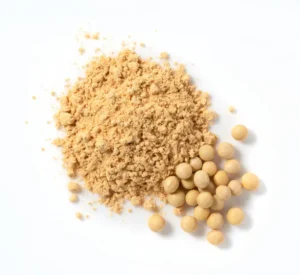
Soy protein is widely considered to be the most similar plant-based alternative to animal protein. It contains all nine essential amino acids and has a protein content of around 36–40%.
Soy-based foods such as tofu, tempeh, and soy isolates are highly digestible and versatile, making them ideal for direct consumption and industrial processing. This is why many large-scale ingredient suppliers, including SOHO Honry Chemical, focus heavily on soy protein extraction and modification technologies.
- Legumes (lentils, chickpeas, beans): Nutrient-dense and accessible
Legumes are among the most widely consumed sources of plant protein globally. Rich in protein, fibre, iron, and micronutrients, they are highly valuable in both traditional diets and modern plant-based formulations.
Although legumes contain lower levels of certain amino acids, such as methionine, combining them with grains creates a complete protein profile. This synergy is a cornerstone of plant-based nutrition strategies.
- Pea protein: highly digestible and functional
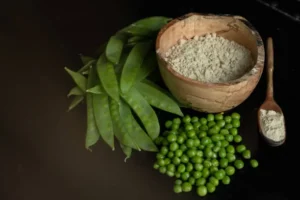
Pea protein has become more popular in recent years thanks to its high digestibility (around 80%) and favourable amino acid profile. It is particularly rich in arginine and branched-chain amino acids, which support muscle growth.
In the food industry, pea protein is valued for its neutral taste and excellent emulsifying properties, making it ideal for use in meat alternatives and protein-based beverages.
- Whole grains (quinoa, oats): Complementary protein sources
Whole grains are not usually high in protein compared to legumes, but they play a crucial role in complementing amino acid profiles. Quinoa, in particular, is considered a complete protein as it contains all nine essential amino acids.
When combined with legumes, grains can help to create balanced meals that efficiently meet daily protein requirements.
- Nuts and seeds: Protein plus healthy fats
Nuts and seeds, such as almonds, chia seeds, and hemp seeds, provide moderate amounts of protein, as well as essential fatty acids and micronutrients. While not primary sources of protein, they significantly improve the quality of the overall diet.
Comparative Table of Major Plant Protein Sources
| Sumber | Protein Content (%) | Amino Acid Completeness | Digestibility | Key Advantage |
| Soy | 36–40% | Complete | Tinggi | The best overall quality |
| Pea | ~80% digestibility | Nearly complete | Tinggi | Neutral taste |
| Lentils | 20–25% | Incomplete | Moderate | High fiber |
| Quinoa | 14–18% | Complete | Moderate | Balanced nutrition |
| Nuts/Seeds | 15–25% | Incomplete | Moderate | Healthy fats |
Best Plant Protein for Different Goals
| Goal | Best Source | Reason |
| Muscle building | Soy, Pea | High amino acid quality |
| Weight loss | Legumes | High fiber, satiety |
| Heart health | Nuts, Soy | Healthy fats, cholesterol reduction |
| Sustainability | All plant proteins | Lower environmental impact |
Plant proteins can reduce greenhouse gas emissions by up to 90% compared to red meat, making them a critical solution for sustainable food systems.
Industry Perspective: Why Manufacturers Focus on Plant Protein
The global shift towards plant-based diets has driven innovation in the extraction, modification, and application of protein. Companies like SOHO Honry Chemical are developing advanced plant protein ingredients for use in:
- Meat alternatives
- Dairy substitutes
- Functional beverages
- Nutritional supplements
These innovations improve texture, taste, and nutritional value, bridging the gap between plant-based and animal-based proteins.
Common Misconceptions About Plant Protein
Plant protein has become increasingly popular in the fields of nutrition, fitness, and food innovation, but it is also shrouded in persistent myths. Understanding the facts helps consumers and industry professionals alike to make better dietary and product decisions.
❌ Myth 1: “Plant protein is incomplete.”
The myth:
Plant proteins don’t contain all the essential amino acids.
The reality:
Some plant proteins (e.g., soy and quinoa) are complete, while others can be combined (e.g., rice and beans) to provide a full amino acid profile.
Scientific context: This relates to essential amino acids.
Insight:
A varied plant-based diet easily meets protein quality requirements.
❌ 2. ‘Plant protein is inferior to animal protein.’
The myth:
Plant protein is of lower quality and less effective.
The reality:
- Digestibility may differ slightly.
- Total intake and diversity matter more than source.
Key point:
When balanced properly, plant protein can support muscle growth and overall health.
❌ 3. ‘You can’t build muscle with plant protein.’
The myth:
Only animal protein builds muscle effectively.
The reality:
- Muscle growth depends on total protein intake and training.
- Many athletes thrive on plant-based diets.
Example: Novak Djokovic, for example, has adopted a largely plant-based diet.
❌ 4. ‘Plant protein lacks enough protein density.’
The myth:
Plant foods don’t provide enough protein per serving.
The reality is that high-protein plant foods do exist:
Lentils, chickpeas, tofu and tempeh, and protein powders (pea, soy, and rice) offer concentrated sources.
Insight: It may require slightly larger portions, but this is entirely achievable.
❌ 5. ‘Plant protein is hard to digest.’
The myth:
Plant proteins cause digestive issues.
The reality:
- Fibre can initially cause bloating, especially for new users.
- Proper preparation, such as soaking and cooking, improves digestibility.
Benefit:
Fibre supports gut health and digestion.
❌ 6. ‘Plant-based diets lead to nutrient deficiencies.’
The myth:
Plant-based diets lack key nutrients.
The reality:
Well-planned plant-based diets provide all essential nutrients, but some (e.g., B12) may require supplementation.
Insight:
The issue is diet planning, not plant protein itself.
❌ 7. ‘All plant protein products are healthy.’
The myth:
Anything labelled ‘plant-based’ is automatically healthy.
The reality:
Some processed products contain high sodium, additives, and low nutritional value.
Example:
Not all products from brands like Beyond Meat are nutritionally balanced for every diet.
❌ 8. ‘Plant protein isn’t suitable for athletes’
The myth:
Athletes need animal protein to perform well.
The reality:
Plant protein can meet high protein needs.
Things to consider:
- Protein quantity
- Amino acid balance
Insight:
Many endurance and strength athletes successfully use plant-based nutrition.
❌ 9. ‘Plant protein doesn’t taste good.’
The myth:
Plant protein foods are bland or unpleasant.
The reality:
- Modern processing improves taste and texture.
- A wide variety of flavours and recipes are available.
Trend:
Food technology is rapidly improving the taste of plant-based products.
❌ 10. ‘Plant protein is only for vegetarians/vegans’
The myth:
Only plant-based eaters need plant protein.
The reality:
Many people are adopting flexitarian diets.
Plant protein is used for:
- Health reasons
- Sustainability
- Variety
FAQ: Plant Protein
- What is the best plant protein source?
Soy protein is often considered the best due to its complete amino acid profile and high digestibility.
- Can plant protein build muscle effectively?
Yes, especially when consuming high-quality sources like soy and pea protein.
- Do plant proteins lack essential amino acids?
Some do individually, but combining different sources ensures completeness.
- Is plant protein healthier than animal protein?
It often contains less saturated fat and more fiber, making it beneficial for heart health.
- How much plant protein do you need daily?
Around 0.8 g per kg of body weight for most adults, depending on activity level.
- What industries use plant protein ingredients?
Food processing, sports nutrition, dairy alternatives, and plant-based meat industries.
Kesimpulan
So, what is the best source of plant protein? The most accurate answer is a combination of high-quality plant sources. Soy leads in terms of overall nutritional value, followed by legumes, pea protein, and whole grains.
Rather than relying on a single ingredient, modern nutrition — and advanced manufacturers like SOHO Honey Chemical — emphasise diversity, functionality, and sustainability. This integrated approach meets human nutritional needs and supports a more sustainable global food system.
