
Antioksidanlar are compounds that help to neutralise free radicals, thereby reducing the oxidative stress that is linked to ageing, inflammation, and chronic diseases.
According to the National Institutes of Health and the Harvard T.H. Chan School of Public Health, diets rich in antioxidant-rich foods, especially fruits, vegetables, and whole grains, are associated with improved cardiovascular health and a reduced risk of disease. In practice, antioxidants support cellular protection, skin health, and longterm wellness when consumed as part of a balanced diet.
Introduction: Why Antioxidants Matter More Than Ever in 2026
By 2026, the global focus on preventive health, longevity, and functional nutrition will have intensified. Consumers are no longer just eating for calories; they are eating to optimise cellular performance, boost immune resilience, and promote healthy ageing. At the heart of this change are antioxidants, which are a group of bioactive substances that play a vital role in protecting the body from oxidative damage.
Oxidative stress occurs when there is an imbalance between free radicals and the body’s ability to neutralise them. This imbalance has been linked to various health issues, such as cardiovascular disease, neurodegenerative disorders, premature skin ageing, and metabolic conditions. Consequently, antioxidants have become a cornerstone of both nutrition science and the functional food industry.
What Are Antioxidants?
Antioxidants are molecules that inhibit oxidation, which is a chemical reaction that produces free radicals. Free radicals are unstable molecules that can damage cells, proteins, and DNA.
Types of antioxidants:
- C Vitamini
- vitamin E
Minerals:
Selenium and zinc
Phytonutrients:
- Flavonoidler
- Carotenoids
- Polyphenols
Each type plays a unique role in protecting different parts of the body.
How Antioxidants Work in the Body?
Antioxidants play a critical role in protecting the body from damage caused by free radicals — highly reactive molecules that can harm cells if left unchecked.
Core mechanism: Neutralising free radicals
Free radicals are unstable because they lack an electron. In order to stabilise themselves, they ‘steal’ electrons from healthy cells, triggering a chain reaction known as oxidative stress.
Antioxidants donate an electron to free radicals, stabilising them without becoming unstable themselves and breaking the chain reaction of cellular damage.
Cells remain protected, and damage is minimised.
Key Protective Mechanisms:
- Prevent DNA damage
Neutralise radicals before they interact with genetic material
Help reduce mutations and longterm cellular damage
- Protect cell membranes
Safeguard lipid layers from oxidation
Maintain cell structure and function
- Reduce inflammation
Lower oxidative stress, which can trigger inflammatory responses
Support overall tissue health
- Support immune function
Help immune cells function more effectively
Protect immune cells from oxidative damage
Why this matters
Unchecked oxidative stress is linked to:
- ageing processes
- chronic diseases
- reduced cellular efficiency
Antioxidants help maintain biological balance, ensuring that normal metabolic processes don’t lead to excessive damage.
Final takeaway:
Antioxidants work by:
- neutralising free radicals
- interrupting oxidative chain reactions
- protecting cells and tissues
This makes them essential for longterm health, disease prevention, and slowing aspects of the ageing process.
Health Benefits of Antioxidants
- Protection against chronic diseases
Research shows that diets rich in antioxidant-rich foods are associated with a reduced risk of:
- Heart disease
- Cancer
- Diabetes
- Anti-ageing and cellular health
Antioxidants help to slow down cellular ageing by minimising oxidative damage.
- Immune system support
They enhance the immune response by protecting immune cells from oxidative stress.
- Brain health
Certain antioxidants support cognitive function and may reduce the risk of neurodegenerative diseases.
Antioxidants for Skin Health
The role of antioxidants in skincare has become central to both nutrition and cosmetics, largely because they help to counteract the damage caused by oxidative stress, which is triggered by factors such as UV exposure, pollution, and ageing.
Key benefits for the skin:
Reduce signs of ageing
Neutralise free radicals that break down collagen
Help minimise wrinkles, fine lines, and loss of firmness
Support smoother, younger-looking skin
Protect against UV damage
Act as a secondary defence alongside sunscreen
Reduce damage triggered by ultraviolet radiation
Help prevent premature ageing (photoageing)
Improve hydration and elasticity
Strengthen the skin barrier
Help retain moisture
Enhance the skin’s natural elasticity and resilience
Promote an even skin tone
Reduce oxidative damage that can lead to pigmentation
Brighten dull skin and improve the overall complexion
Common antioxidants for the skin:
- Vitamin C: brightens the skin tone, supports collagen production, and helps reduce dark spots
- Vitamin E: protects cell membranes, enhances skin hydration, and works synergistically with vitamin C
- Betacarotene: converts to vitamin A in the body, supports skin repair and renewal, and provides additional protection against environmental stressors
Industry insight:
Modern skincare is increasingly combining topical antioxidants (such as serums and creams) with dietary intake to create a dual approach to skin health. This reflects a broader shift towards inside-out beauty strategies.
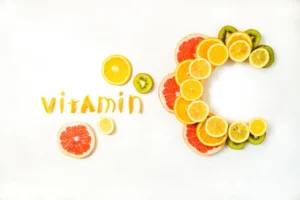
Top Antioxidant Foods
A balanced diet rich in foods high in antioxidants is the most effective way to obtain these compounds.
High Antioxidant Foods Table
| Gıda Kategorisi | Examples | Key Antioxidants |
| Fruits | Blueberries, strawberries | Vitamin C, flavonoids |
| Vegetables | Spinach, kale | Beta-carotene, lutein |
| Nuts & Seeds | Almonds, sunflower seeds | E Vitamini |
| İçecekler | Green tea, coffee | Polyphenols |
| Whole Grains | Oats, quinoa | Various phytonutrients |
Foods High in Antioxidants: Ranking by ORAC Value
ORAC (Oxygen Radical Absorbance Capacity) measures antioxidant capacity.
ORAC Comparison Table
| Food | ORAC Value (per 100g) |
| Blueberries | Yüksek |
| Dark Chocolate | Very High |
| Pecans | Yüksek |
| Ispanak | Orta düzeyde |
| Green Tea | Orta düzeyde |
Antioxidants in the Food Industry
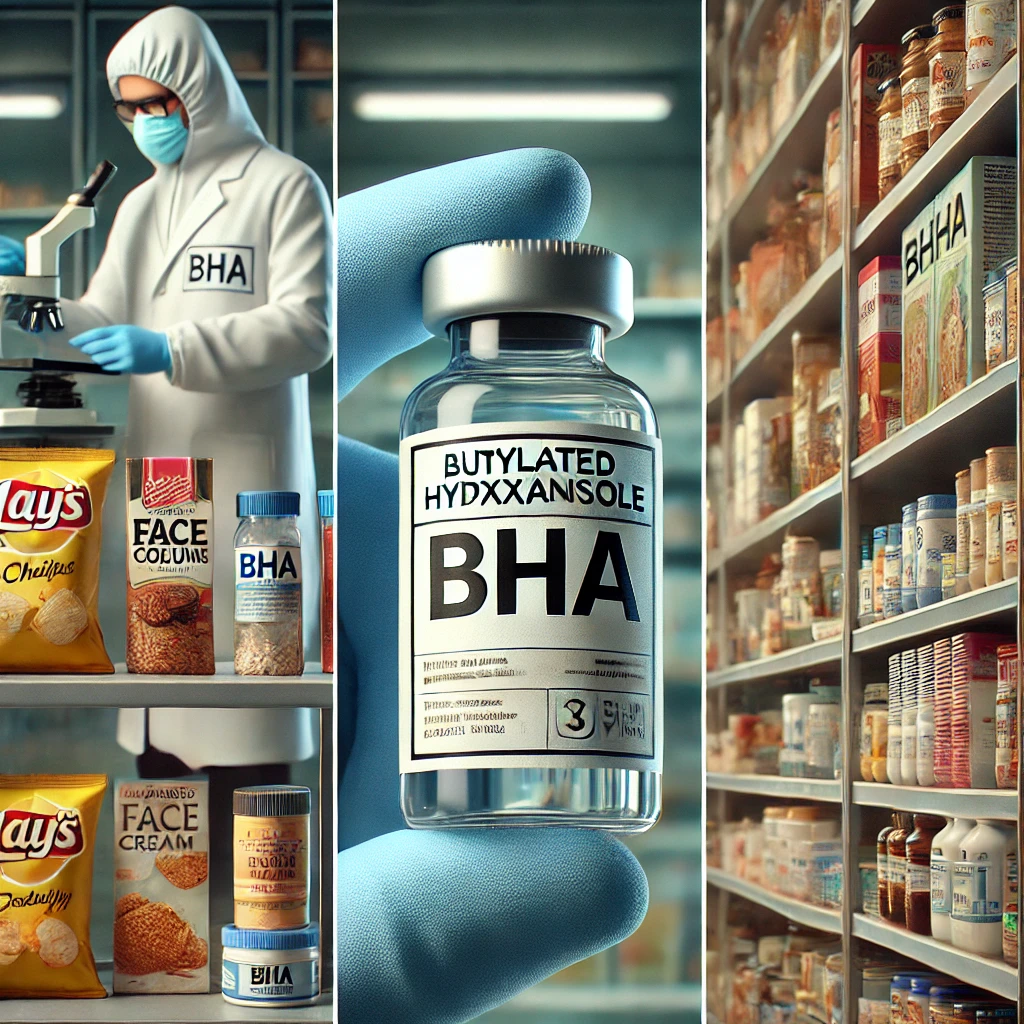
In modern food science, antioxidants play a critical role in enhancing the stability and value of products. In the B2B sector, they are essential for preservation, formulation, and functional innovation.
Food preservation
Core function:
- Inhibiting the oxidation of fats and oils
- Preventing rancidity, discolouration, and offflavours
Common applications:
- Processed foods
- Edible oils and snacks
- Meat and dairy products
Results:
Extended shelf life, improved product consistency, and reduced waste across the supply chain.
Functional Food Development
Market trend:
Growing demand for foods with added health benefits
Role of antioxidants:
- Enhance nutritional profiles
- Support claims related to immunity, ageing, and wellness
Examples:
- Beverages enriched with vitamins
- Fortified cereals and snacks
- Superfood-based products
Insight:
Antioxidants help to bridge the gap between nutrition and convenience, which is a key driver in global food markets.
Nutraceutical products
Definition:
Products positioned between food and pharmaceuticals, often in the form of capsules, powders, or fortified drinks.
Reasons for using antioxidants:
- Provide targeted health benefits
- Combat oxidative stress
- Support longterm wellness and preventive health
Uygulamalar:
- Dietary supplements
- Functional beverages
- Health-focused formulations
Key B2B benefits:
- Shelf life extension: reduced spoilage and logistics losses
- Product differentiation: higher market value
- Regulatory alignment: meeting cleanlabel and health trends
- Consumer appeal: increased demand for ‘betterforyou’ products
Natural vs Synthetic Antioxidants
| Type | Kaynak | Application |
| Natural | Fruits, vegetables | Nutrition, supplements |
| Synthetic | Labproduced | Food preservation |
Natural antioxidants are increasingly preferred due to consumer demand for clean-label products.
How to Incorporate Antioxidants into Your Diet?
Building an antioxidant-rich diet doesn’t require drastic changes; just make consistent, smart choices. By focusing on variety and whole foods, you can naturally support your body against oxidative stress.
Practical tips:
Eat a variety of colourful fruits and vegetables
Why it works:
Different colours contain different antioxidants (e.g., flavonoids and carotenoids).
Examples:
- Berries (e.g., blueberries and strawberries)
- Leafy greens (e.g., spinach and kale)
- Orange/red foods (e.g. carrots and tomatoes)
Tip:
Aim for a ‘rainbow plate’ to maximise nutrient diversity.
Include nuts and seeds daily
Benefits:
- Rich in healthy fats and antioxidants, such as vitamin E
- Support heart and skin health
Options:
Almonds, walnuts, sunflower seeds and chia seeds.
Drink antioxidant-rich beverages.
Top choice:
Green tea
Why:
- Contains polyphenols that help neutralise free radicals.
- Easy to incorporate into daily routines.
Other options:
Herbal teas, fresh fruit-infused water
Choose whole foods over processed options.
Why it matters:
Whole foods retain more natural antioxidants, whereas processed foods may lose nutrients during manufacturing.
Better choices:
- Whole grains instead of refined grains
- Fresh fruit instead of sugary snacks
Bonus tips:
- Cook lightly (e.g., steaming or sautéing) to preserve nutrients
- Combine foods (e.g. healthy fats and vegetables) to improve absorption
- Stay consistent – benefits come from long-term habits
Common Misconceptions About Antioxidants
Myth: More antioxidants are always better
Reality: Balance is key; excessive supplementation may be harmful
Myth: Supplements are better than food
Reality: Whole foods provide a broader range of nutrients
Future Trends (2026–2030)
- Personalized Nutrition
Aid-driven diets tailored to individual antioxidant needs.
- Functional Foods
Increased demand for antioxidan-rich products.
- Sustainable Sourcing
Focus on eco-friendly production of antioxidant-rich ingredients.
FAQ: Antioxidants
- Antioksidanlar neye iyi gelir?
They protect cells from damage, support health, and reduce disease risk.
- What are the best antioxidant foods?
Fruits, vegetables, nuts, and whole grains are among the best sources.
- Are foods high in antioxidants better than supplements?
Yes, whole foods provide more balanced nutrition.
- How do antioxidants help skin?
They reduce aging signs and protect against environmental damage.
- Can you consume too many antioxidants?
Yes, excessive intake—especially from supplements—can be harmful.
Sonuç
Antioxidants play a vital role in maintaining health, protecting cells, and promoting longevity. From reducing the risk of disease to enhancing skin health, the benefits of antioxidants are well supported by scientific research.
You can maximise these benefits naturally by focusing on antioxidant-rich foods and incorporating a variety of such foods into your diet. As the health and nutrition industry continues to evolve, antioxidants will remain a key component of consumer wellness strategies and B2B product innovation.
