

In the highly competitive landscape of the global sports nutrition market, product differentiation is the ultimate currency. For brands and product developers, the challenge is not merely to create another supplement, but to engineer solutions that offer measurable performance optimization and tangible value to the consumer. Central to this mission is the inclusion of well-researched, efficacious ingredients. Among these, Beta-Alanin stands out as an foundational pillar. As a non-essential amino acid, Beta-Alanin has transitioned from an obscure research compound to a staple ingredient in the industry. However, for a brand to truly leverage this ingredient, it requires more than just adding it to a label; it demands a comprehensive Beta-Alanin strategy. This guide explores the scientific, formulation, and market-driven approach required to successfully integrate Beta-Alanin into modern pre-workout formulation portfolios.

The Science of Efficacy: Why Beta-Alanine is Essential
To build a compelling product narrative, product developers must first understand the mechanism of action. The primary physiological role of Beta-Alanin is its function as the rate-limiting precursor to carnosine. Through carnosine synthesis, which occurs in the skeletal muscle, Beta-Alanin helps maintain pH balance during periods of intense physiological stress. When athletes engage in high-intensity exercise, the accumulation of hydrogen ions leads to a decrease in intramuscular pH, which is a major contributor to muscular fatigue. By functioning as an effective intramuscular buffer, carnosine helps delay the onset of neuromuscular fatigue, allowing athletes to train harder and for longer durations.
The inclusion of Beta-Alanin in a product is a clear signal to the consumer that the brand prioritizes science-backed efficacy. The clinical substantiation supporting Beta-Alanin is robust, with numerous peer-reviewed studies highlighting its effectiveness in improving exercise capacity. For B2B stakeholders, this scientific grounding is an invaluable asset. When formulating with Beta-Alanin, you are not selling a placebo; you are selling a performance-enhancing tool that has been validated by decades of rigorous research.
Mechanisms and Performance Impacts of Beta-Alanine
| Mechanism | Physiological Impact | Performance Outcome |
|---|---|---|
| Carnosine synthesis | Increases muscle carnosine levels | Enhanced acid-base buffering |
| pH Regulation | Reduces hydrogen ion accumulation | Delayed onset of muscular fatigue |
| Ergogenic aid capacity | Improves buffering ability | Increased workload/reps in high-intensity exercise |
| Neuromuscular support | Prolongs contraction capacity | Improved training volume and intensity |
Strategic Formulation: Building the Perfect Pre-Workout Stack
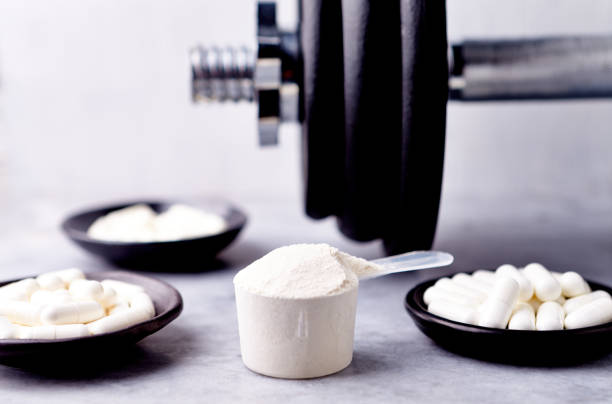
The hallmark of an expert-level pre-workout formulation is the synergy between ingredients. Beta-Alanin is a versatile team player in the world of sağlıklı yaşam tarzına yönelik. It does not exist in a vacuum; its effectiveness and the consumer experience are heightened when combined with synergistic ingredients. For instance, pairing Beta-Alanin with caffeine can provide a dual-action effect: caffeine acts on the central nervous system to reduce perceived exertion, while Beta-Alanin works peripherally on muscle tissue to delay fatigue.
When designing a modern pre-workout, brand owners should consider the following strategic formulation pillars:
- Optimal Dosing: Research suggests that the benefits of Beta-Alanin are driven by chronic accumulation rather than acute stimulation. Strategies that advocate for a consistent daily dose of 3.2g to 6.4g are most effective. Formulations that reflect this in their serving size guidelines help manage consumer expectations and drive product satisfaction.
- Synergistic Stacking: Integrate Beta-Alanin with Citrulline Malate, Creatine Monohydrate, and Betaine Anhydrous. These combinations represent a comprehensive approach to performance optimization, addressing blood flow, power output, and intracellular hydration simultaneously.
- Bioavailability: Consider the delivery form of Beta-Alanin. While standard powders are effective, sustained-release technologies are becoming increasingly popular in the sports nutrition market to mitigate the intensity of initial sensory feedback.
The Paresthesia Paradox: Turning Perception into Profit
One of the most unique aspects of Beta-Alanin is its tendency to cause paresthesia—a harmless tingling sensation, typically felt in the skin of the face, neck, and hands. In the B2B world, this is often viewed as a “sensory challenge.” However, a sophisticated brand strategy re-frames paresthesia not as a side effect, but as a marketing asset.
In the psychology of supplement consumption, users often look for physical signals that a product is “working.” The tingling sensation associated with Beta-Alanin serves as a tactile validation of the supplement’s immediate physiological impact. By proactively educating consumers through branding and clear label communication, companies can turn this sensation into a signal of product efficacy.
Strategies to manage this effectively include:
- Consumer Education: Use the product label or digital marketing collateral to explain why the tingling occurs. Framing it as “The Active Performance Signal” shifts the narrative from a potential negative to a positive indicator of ingredient purity and potency.
- Dosage Splitting: For consumers highly sensitive to paresthesia, suggest a split-dosing regimen in the usage instructions. This shows that the brand is consumer-centric and thoughtful about the user experience, enhancing brand trust and loyalty in the competitive sağlıklı yaşam tarzına yönelik industry.
- Formulation Buffering: Research into flavor systems and pH-balanced matrices can sometimes help modulate the sensory intensity of Beta-Alanin without compromising its role as a key ergogenic aid.
Market Trends: Transparency and Clean Labeling
The modern consumer is more educated than ever. The sports nutrition market is currently dominated by trends prioritizing “Clean Label” initiatives and ingredient transparency. As a result, the strategic inclusion of Beta-Alanin must be paired with supply chain transparency.
Brands that source high-purity Beta-Alanin and communicate the origin and quality of their raw materials gain a distinct competitive advantage. Clinical substantiation is no longer just for the R&D lab; it is a marketing necessity. When a brand clearly states on its website or packaging that its Beta-Alanin is tested for purity, it builds institutional trust.
Furthermore, we are seeing a shift toward “Functional Pre-Workouts” that move beyond just stimulants. Beta-Alanin fits perfectly into this paradigm. Because it offers a tangible benefit for muscle endurance and high-intensity performance without the jitters associated with excessive stimulants, it appeals to a broader demographic, including cross-training athletes, endurance runners, and even e-sports competitors. Expanding the target audience for your pre-workout formulation is a key strategy for growth in this mature market.
Addressing Regulatory and Quality Assurance
From a B2B perspective, ensuring your Beta-Alanin strategy is bulletproof requires navigating the regulatory landscape. Dietary supplements are subject to stringent quality control standards. When integrating Beta-Alanin, documentation is key.
- Certificate of Analysis (COA): Always demand a COA from suppliers to verify the purity and absence of contaminants. Heavy metal testing, microbial analysis, and identification testing are non-negotiable.
- Label Claims: Ensure that all marketing claims regarding the performance benefits of Beta-Alanin align with local regulatory guidelines (such as FDA or EFSA standards). Avoid making medical claims; instead, focus on structure/function claims like “supports muscle endurance” or “promotes carnosine synthesis.”
- Supplier Partnerships: Treat your raw material supplier as a strategic partner. A supplier who provides technical data, formulation guidance, and stability studies is worth far more than one who simply offers the lowest price. In the context of Beta-Alanin, quality consistency directly impacts the shelf life and sensory stability of your finished product.
Data Analysis: The Competitive Edge
To understand the market potential, let us look at the data-driven reality of the current landscape. Market analytics consistently show that pre-workout products containing Beta-Alanin consistently outperform non-Beta-Alanin formulas in terms of year-over-year growth and repeat purchase rates. Why? Because the ingredient delivers a result that the user can feel.
When analyzing product comparison data, Beta-Alanin is often a decision-maker.
| Metric | Beta-Alanine Fortified Product | Competitor Formula (No Beta-Alanine) |
|---|---|---|
| Consumer Perceived Efficacy | High (due to sensory feedback) | Medium (delayed feedback) |
| Repeat Purchase Rate | Üstün | Orta düzeyde |
| Clinical Substantiation Strength | Very High | Low to Moderate |
| Market Positioning | Elite/Professional/Performance | Casual/General Wellness |
The data implies that Beta-Alanin is not merely an optional ingredient; it is a cornerstone of a commercially successful product. By utilizing Beta-Alanin in your formulation, you align your brand with professional-grade standards. This data-driven approach allows product managers to justify the premium cost associated with high-quality Beta-Alanin to stakeholders, demonstrating that the ROI of the ingredient is found in customer retention and brand equity.
Future Outlook: Innovations in Beta-Alanine Delivery
As we look toward the future, the Beta-Alanin strategy must evolve. Innovation in delivery systems is the next frontier. We are seeing early adopters experiment with micro-encapsulated Beta-Alanin. This technology aims to provide the benefit of carnosine synthesis support while bypassing the intense paresthesia of traditional powders.
For brands looking to capture the “next-gen” athlete, investing in these advanced delivery formats can position your product at the forefront of the sports nutrition market. Additionally, the diversification of usage occasions—such as incorporating Beta-Alanin into intra-workout beverages or even post-workout recovery blends—suggests that the utility of this amino acid is far from exhausted.
Understanding the relationship between Beta-Alanin and muscle physiology is just the beginning. The true strategic advantage lies in how you package that science. Is your brand positioning the ingredient as a tool for “Hardcore Intensity” (embracing the paresthesia) or as “Sustained Endurance” (using slow-release tech)? Your answer to this will define your product’s place in the market.
Conclusion: The Strategic Imperative of Beta-Alanine
In the crowded ecosystem of modern supplements, Beta-Alanin represents a rare combination of scientific validity, consumer experience, and formulation versatility. It is an ergogenic aid that does exactly what the research says it will do: it supports the physical demands of high-intensity exercise, fosters muscle endurance, and aids in the essential process of carnosine synthesis.
For B2B brands, a successful Beta-Alanin strategy is built on three pillars:
- Science-First formulation: Using optimal dosages and synergistic ingredients to maximize efficacy.
- Sensory Management: Transforming the paresthesia experience into a marketing advantage that builds user trust.
- Quality Transparency: Leveraging clinical substantiation and rigorous supply chain management to differentiate your sağlıklı yaşam tarzına yönelik from lower-quality competitors.
By committing to these principles, you do more than just include Beta-Alanin in a bottle; you create a high-performance solution that resonates with consumers and stands the test of market competition. The future of the sports nutrition market belongs to brands that value efficacy, honesty, and strategic depth. Beta-Alanin is, and will remain, a central character in that future. Whether your goal is to dominate the elite bodybuilding space or the burgeoning market of fitness enthusiasts, a robust Beta-Alanin strategy is your blueprint for achieving sustained brand growth and industry authority. Through precision formulation and proactive consumer education, you can turn this singular ingredient into the cornerstone of your entire performance nutrition portfolio, ensuring that your products are not just bought once, but chosen again and again by athletes who demand the absolute best for their training.
