 İçeriğe geç


Growing demand for cellular energy and heart health supplements makes Coenzyme Q10 a market staple. But should you formulate with ubiquinone or ubiquinol? This guide compares both interchangeable forms, helping supplement manufacturers choose the right CoQ10 ingredient to meet specific product goals.
Understanding Coenzyme Q10 (CoQ10)

Every cell in the human body requires energy to function. CoQ10 is a naturally occurring, fat-soluble compound found primarily within the mitochondria. It plays a critical role in generating adenosine triphosphate (ATP), the primary energy source for cellular processes. This energy is especially vital for high-demand organs like the heart, liver, and kidneys. Beyond energy production, CoQ10 acts as a powerful antioxidant, protecting cell membranes and lipids from oxidative stress and free radical damage.
Factors Influencing Cellular Depletion
While the body produces this compound naturally, internal levels fluctuate. Several factors can deplete these cellular reserves over time, driving consumer demand for reliable dietary supplements:
- Natural Aging: Endogenous production typically peaks in early adulthood and steadily decreases as we grow older.
- Lifestyle and Stress: Chronic physical or mental stress can increase oxidative damage, rapidly consuming available antioxidant reserves.
- Medication Use: Certain prescription drugs directly interfere with internal synthesis. Statins, commonly used for cholesterol management, block the biological pathway the body uses to produce this nutrient.
The Importance of Fermentation-Grade Sourcing
When formulating dietary supplements, the source of your raw material matters significantly. Synthetic production methods can introduce unwanted chemical impurities. Utilizing a natural, fermentation-grade ingredient ensures high purity and optimal biological compatibility.
Biological fermentation yields a pure trans-isomer structure. This specific molecular shape is identical to the compound produced naturally inside the human body, allowing for better absorption and utilization. SOHO Honry Chemical supports global manufacturers with high-quality, non-GMO ingredients backed by rigorous testing against Eurofins and SGS standards.
The Continuous Conversion Cycle
Inside the body, the CoQ10 molecule continuously shifts between two distinct states to perform its necessary biological duties:
- Ubiquinone (Oxidized): Ready to accept electrons, this state is essential for the initial steps of ATP cellular energy generation.
- Ubiquinol (Reduced): Carrying extra electrons, this state acts immediately as a neutralizing antioxidant to protect cellular structures.
This continuous redox cycle allows the molecule to donate and accept electrons rapidly. Both forms are vital for human health, and recognizing how they interact helps determine which version best fits your manufacturing requirements.
What is Ubiquinone?
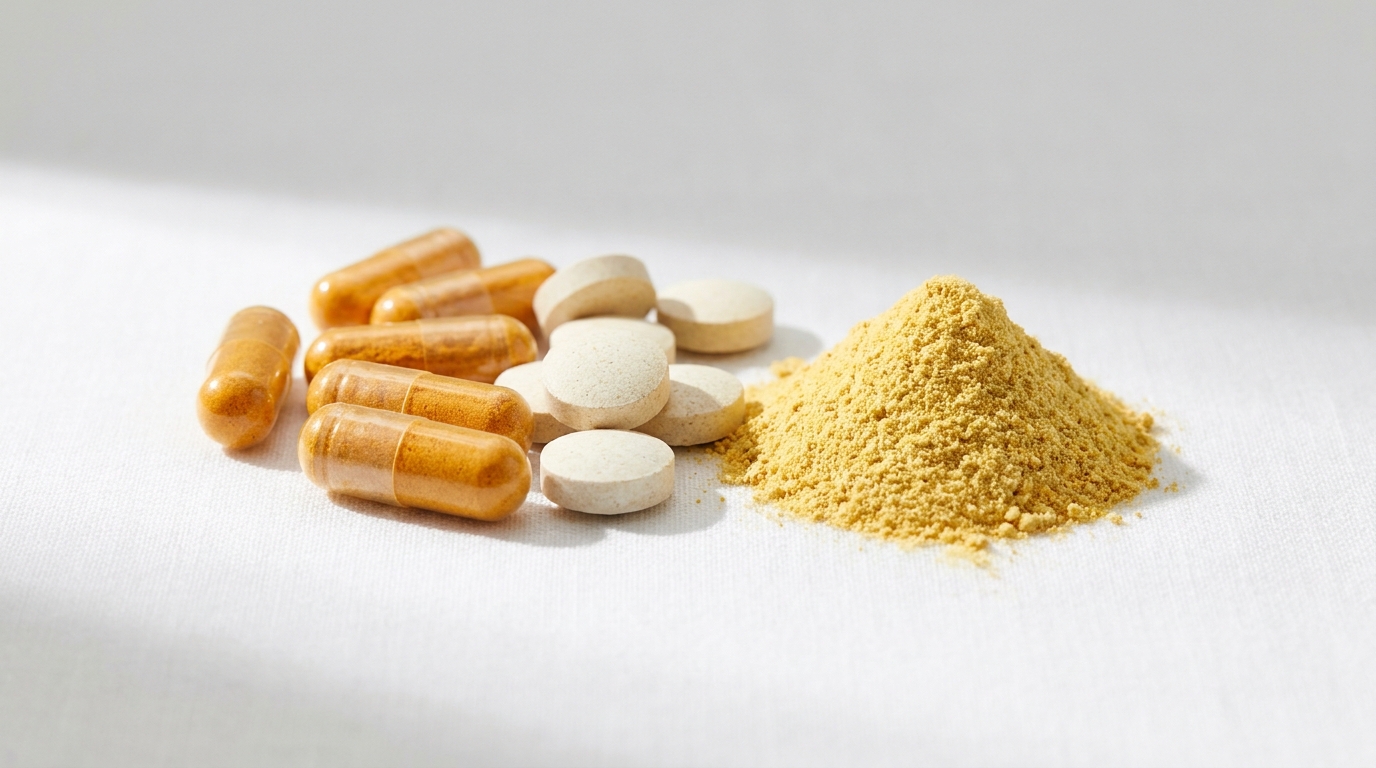
Ubiquinone is the fully oxidized form of the Coenzyme Q10 molecule. Serving as the industry standard in dietary supplements for decades, it remains the most widely recognized version of the nutrient on the market today.
Internal Mechanism of Action
When a person consumes ubiquinone, their body must enzymatically convert it into ubiquinol before it can function as an active antioxidant. For healthy individuals, this internal conversion process happens naturally and efficiently in the digestive tract and cellular tissues.
Manufacturing and Formulation Advantages
For supplement manufacturers, this oxidized state offers several practical benefits on the production floor:
- High Environmental Stability: Ubiquinone is inherently stable when exposed to air and light, reducing the risk of premature degradation during raw material storage.
- Easier Handling: Its stable nature simplifies the manufacturing process, requiring fewer specialized handling procedures compared to more sensitive active ingredients.
- Çok Yönlü Uygulamalar: Because it resists oxidation, it performs well across various delivery formats. Manufacturers easily incorporate it into hard capsules, softgels, tablets, and functional foods.
SOHO Honry Chemical supports these versatile applications through GMP, FSSC, and ISO-certified facilities, ensuring consistent raw material quality and safety for global supplement brands.
Ideal Target Demographics and Use Cases
Ubiquinone is highly cost-effective, making it an excellent choice for daily multivitamins and foundational health blends. It is generally ideal for younger demographics whose bodies easily perform the necessary enzymatic conversion. Brands targeting general wellness, sports nutrition, or preventative health often rely on ubiquinone to deliver reliable results at an accessible price point.
What is Ubiquinol?

Ubiquinol is the active, reduced form of the Coenzyme Q10 molecule. It contains two extra electrons, making it a potent and immediate antioxidant. Unlike the oxidized version, it requires no internal conversion. Once ingested, the body can utilize it right away to neutralize free radicals and support cellular function.
Bioavailability and Target Demographics
Because it bypasses the body’s enzymatic conversion process, ubiquinol offers distinct bioavailability advantages, especially for older demographics. As humans age, their natural metabolic ability to convert ubiquinone steadily declines. Individuals over the age of 40 often struggle to maintain optimal levels using standard supplements.
Formulating with this pre-converted ingredient provides a direct solution. It allows older adults or those with compromised metabolic functions to efficiently replenish their cellular reserves. Brands targeting healthy aging or cardiovascular support frequently choose this premium form to ensure maximum absorption.
Manufacturing and Formulation Challenges
While it delivers superior bioavailability, ubiquinol presents significant manufacturing challenges. It is highly unstable when exposed to ambient light and oxygen. Without strict environmental controls, it rapidly oxidizes back into ubiquinone on the production floor.
To maintain ingredient integrity, manufacturers must utilize specialized production techniques:
- Strict Environmental Controls: Production often requires nitrogen-flushed environments to eliminate oxygen exposure entirely.
- Specialized Encapsulation: The ingredient is typically suspended in protective lipid formulations. Opaque softgels are standard to block degrading light.
- Advanced Packaging: Finished products often need airtight, light-blocking bottles to guarantee shelf stability.
Overcoming these formulation hurdles requires deep technical expertise. SOHO Honry Chemical provides robust technical support through a professional partnership team. Our R&D department, led by two PhDs and collaborating with China Pharmaceutical University, helps global manufacturers navigate complex ingredient requirements, ensuring all materials meet strict Eurofins and SGS testing standards.
Ubiquinone vs. Ubiquinol: Key Decision Factors for Formulators
Selecting the right CoQ10 ingredient requires balancing efficacy, stability, and production budgets. Formulators must evaluate several practical criteria before finalizing a product formula.
Absorption and Efficacy
Clinical uptake rates differ significantly between the two molecules. Because ubiquinol bypasses the internal conversion process, it generally achieves higher blood plasma levels. This direct absorption proves critical for individuals over 40. For younger demographics with robust metabolic functions, ubiquinone absorbs effectively enough to maintain healthy cellular energy levels.
Stability and Shelf Life Requirements
Manufacturing environments dictate which ingredient you can successfully process. The robust nature of the oxidized form contrasts sharply with the sensitive handling requirements of the reduced form.
| Decision Factor | Ubiquinone | Ubiquinol |
|---|---|---|
| Oxygen Sensitivity | Low (Stable in ambient air) | High (Requires nitrogen flushing) |
| Light Sensitivity | Low (Standard packaging works) | High (Requires opaque softgels) |
| Delivery Formats | Tablets, capsules, gummies, powders | Lipid-based softgels primarily |
| Shelf Life Management | Straightforward and predictable | Requires strict environmental controls |
Aligning with Target Demographics
The intended consumer profile should drive your ingredient selection. Ubiquinone works perfectly for foundational health blends, daily multivitamins, sports nutrition powders, and preventative wellness capsules targeted at young adults. Conversely, ubiquinol suits premium product lines. Brands targeting senior nutrition, advanced cardiovascular support, or healthy aging should utilize this pre-converted molecule to help older consumers overcome age-related metabolic decline.
Evaluating the Cost-to-Benefit Ratio
Financial considerations often finalize the formulation decision. Ubiquinone remains highly cost-efficient. Its lower raw material price and standard manufacturing requirements keep production costs manageable, allowing brands to offer competitive retail pricing.
Ubiquinol carries higher raw material costs. Furthermore, the specialized encapsulation and airtight packaging requirements increase overall production expenses. Formulators must ensure their target market will accept the higher retail price required to offset these manufacturing investments.
Partnering with a reliable supplier helps optimize these formulation costs. SOHO Honry Chemical leverages a robust global supply chain to deliver high-quality, fermentation-grade ingredients. Supported by a professional R&D team and strict quality control, we provide non-GMO and allergen-free materials to ensure your finished supplements meet exact specifications while maximizing production efficiency.
Sourcing High-Quality CoQ10 Ingredients
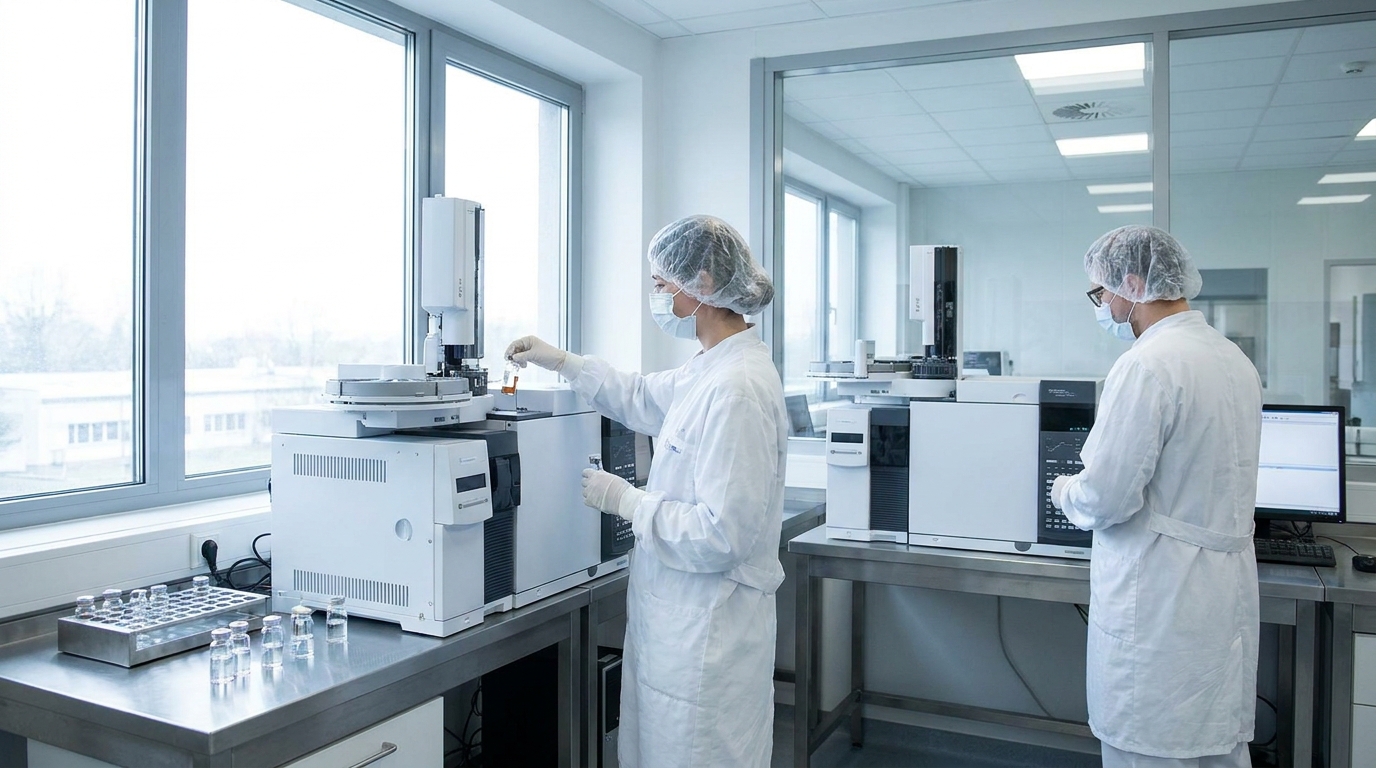
Sourcing the right raw material dictates the success of the final supplement. Partnering with a reliable global ingredients supplier ensures consistent quality for human nutrition and pharmaceutical applications.
Evaluating Manufacturing Excellence
Formulators must rigorously evaluate a supplier’s manufacturing facilities. High-quality production requires strict adherence to international standards. Facilities should hold FDA and GMP certifications to verify safe, controlled, and consistent production practices.
Additional certifications provide further assurance of operational excellence:
- FSSC and BRC: Ensures comprehensive food safety management systems are actively maintained.
- ISO Standards: Verifies consistent quality management and organizational efficiency across the supply chain.
- Third-Party Audits: Confirms ongoing compliance and facility safety through independent verification.
SOHO Honry Chemical maintains these exact factory certifications, undergoing annual third-party audits to guarantee our production bases meet strict global compliance.
Ensuring Product Purity and Safety
Consumer demand for clean labels continues to rise. Supplement brands must ensure their CoQ10 ingredients meet diverse dietary and cultural requirements. Look for suppliers that provide comprehensive product certifications, including Halal and Kosher compliance. Securing non-GMO and allergen-free materials allows brands to safely reach broader international markets. SOHO Honry Chemical provides these specific certificates, helping formulators confidently build clean-label supplements.
The Value of Advanced R&D
Advanced research capabilities separate premium suppliers from basic distributors. Complex formulations often require customized technical support. A supplier with a robust R&D infrastructure can quickly troubleshoot stability issues and optimize delivery formats.
SOHO Honry Chemical collaborates deeply with top institutions like Nanjing Agricultural University and China Pharmaceutical University. Our R&D team features more than 25 dedicated technicians, led by two PhDs. We utilize advanced testing equipment to verify ingredient potency and purity, providing detailed testing reports measured against strict Eurofins and SGS standards. This scientific backing ensures your chosen CoQ10 ingredient performs exactly as intended.
Frequently Asked Questions About Coenzyme Q10 Supplements
Which form of CoQ10 is best for older adults?
For individuals over 40, ubiquinol is generally the preferred choice. As humans age, their bodies lose the ability to efficiently convert standard ubiquinone into its active, antioxidant form. Because ubiquinol is already fully converted, it absorbs directly into the body. This allows older adults to efficiently replenish their cellular energy reserves without relying on declining metabolic functions.
Can ubiquinone be used in gummy and powder supplements?
Yes, ubiquinone is highly stable when exposed to ambient air and light, making it incredibly versatile for manufacturing. Supplement brands can easily incorporate this oxidized form into a wide variety of delivery formats, including gummies, nutritional powders, hard capsules, and traditional tablets.
Why do some CoQ10 supplements come in opaque softgels?
Supplements formulated with ubiquinol require opaque softgels because this reduced form is highly sensitive to light and oxygen. If exposed to standard environmental conditions, it rapidly degrades and oxidizes back into ubiquinone. Manufacturers use dark, lipid-based softgels and airtight packaging to protect the sensitive ingredient and ensure shelf stability.
How do statin medications affect the body’s natural CoQ10 levels?
Statins, which are commonly prescribed to manage cholesterol, actively block the biological pathway the body uses to produce CoQ10. This interference can significantly deplete your natural cellular reserves over time, driving the need for reliable dietary supplements to restore optimal levels.
Are SOHO Honry Chemical ingredients suitable for clean-label brands?
Yes. SOHO Honry Chemical supplies high-quality, fermentation-grade CoQ10 that is non-GMO and allergen-free. Our manufacturing facilities are GMP, FSSC, and ISO certified. We also provide Halal and Kosher product certifications, making our raw materials perfectly suited for clean-label health brands targeting diverse global markets.
Sonuç
Choosing between ubiquinone and ubiquinol depends on your target demographic, budget, and formulation capabilities. Ubiquinone offers stability and cost-effectiveness, while ubiquinol provides direct antioxidant support. To guarantee a competitive and safe product, always source your CoQ10 from a certified global manufacturer.
- Evaluate your target demographic and formulation budget.
- Request non-GMO and allergen-free CoQ10 ingredient samples.
- Verify the supplier holds FDA, GMP, and ISO certifications.
